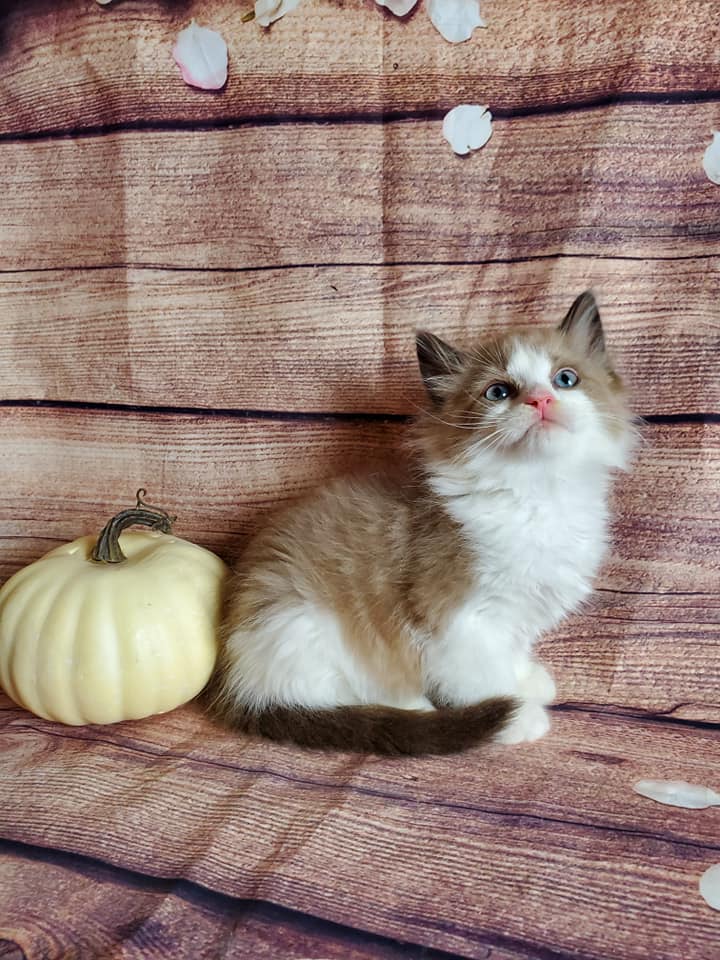
The Calm and Gentle Nature of Adult Ragdoll Cats
Adult Ragdoll cats are known for a peaceful temperament, affectionate nature, and relaxed approach to household life. Their softness is more than a physical trait: many Ragdolls enjoy quiet companionship, gentle handling, and being near the people they trust without demanding constant attention.
As they mature, these cats often become even more predictable and settled. Kittens may be playful and curious, while adults typically show a calmer rhythm, making them appealing companions for families, older adults, and people seeking a steady emotional presence at home.
A well-socialized Ragdoll can be loving without being overwhelming. Daily interaction, a secure indoor environment, and respectful handling help this breed develop the confidence that supports its famously gentle personality.
A Peaceful Temperament With Plenty Of Affection
Adult Ragdolls often prefer closeness over commotion. They may follow a family member from room to room, rest nearby while someone works, or settle beside a favorite chair. This quiet companionship can make them feel involved in household routines without turning every moment into a demand for attention.
Their affectionate behavior tends to be soft and measured. A Ragdoll may greet someone with a quiet chirp, a slow blink, or a gentle nudge rather than loud vocalization. Many enjoy being stroked and may relax completely during calm cuddling sessions, although each cat has its own boundaries and preferred style of contact.
Why Maturity Brings Greater Calm
Ragdoll kittens commonly move through energetic periods of climbing, chasing, and exploration. These behaviors are healthy parts of development, yet they can make a young cat seem very different from the composed adult it may become. With age, play usually remains part of daily life while becoming more focused and less chaotic.
Mature cats also have more experience with household sounds, visitors, grooming, and normal handling. A cat raised in a family environment and handled consistently can learn that everyday activity is safe. At a small Montana Ragdoll cattery, early socialization helps lay the groundwork for confident, people-oriented adult behavior.
Gentle Companions In Different Homes
The breed’s adaptable nature can suit a range of households. Adult Ragdolls often appreciate predictable routines, comfortable resting places, and access to people who respond calmly to their signals. They may live happily with respectful children, provided interactions are supervised and the cat always has somewhere peaceful to retreat.
Their patient disposition can also be valuable for therapy-oriented homes. A calm Ragdoll may provide soothing companionship through quiet presence and gentle contact, though suitability depends on the individual cat’s confidence, health, and response to unfamiliar people. A potential therapy cat should be evaluated for temperament rather than chosen by appearance alone.
The differences between life stages are often easiest to understand in everyday behavior:
| Life stage | Typical energy | Social behavior | Household needs |
|---|---|---|---|
| Kitten | High and unpredictable | Curious, playful, learning boundaries | Frequent play, supervision, and training |
| Young adult | Moderate to high | Affectionate with growing confidence | Enrichment, routine, and patient guidance |
| Mature adult | Moderate and steady | Relaxed, loyal, and responsive | Comfortable resting areas and regular interaction |
| Senior | Low to moderate | Often deeply bonded and peaceful | Easier access to resources and attentive health care |
Respecting Their Quiet Communication
A gentle cat still communicates clearly. Ragdolls may show enjoyment through purring, relaxed posture, kneading, or choosing to remain close. Signs that a cat wants space can include a flicking tail, flattened ears, turning away, or moving to another resting place. Respecting these signals strengthens trust and prevents affection from becoming stressful.
Because adult Ragdolls can be physically relaxed when carried, people sometimes assume they will accept handling at any time. It is better to support the body securely, keep sessions comfortable, and allow the cat to leave when it wishes. Consent-based handling helps preserve the breed’s calm confidence.
Health And Behavior Belong Together
A sudden change in an adult cat’s sociability, activity, appetite, or tolerance for touch should receive attention. Pain and illness can appear as withdrawal, irritability, unusual vocalization, or sleeping more than usual. Regular veterinary care gives families a way to distinguish normal personality from a possible health concern.
Responsible breeding also supports long-term well-being. Health-conscious catteries may screen for conditions relevant to Ragdolls, including hypertrophic cardiomyopathy, FIV, FeLV, and feline heartworm disease. When physical health is supported, an adult cat has a stronger foundation for maintaining its relaxed and affectionate temperament.
Creating A Settled Indoor Routine
A peaceful home does not need to be silent or inactive. Adult Ragdolls benefit from short play sessions, scratching surfaces, window views, and comfortable beds placed near family activity. These features allow a cat to participate at its preferred level, whether that means watching from a perch or joining a quiet evening on the sofa.
Consistent feeding times and gentle daily interaction can make the household feel predictable. Regular brushing is especially useful for the breed’s semi-long coat and can become a pleasant bonding ritual when introduced gradually. Keeping the cat indoors also helps reduce exposure to traffic, fights, infectious disease, and other preventable risks.
Choosing A Cat With The Right Disposition
Appearance alone cannot guarantee a calm companion. When considering an adult Ragdoll or planning for a kitten’s future temperament, observe how the cat responds to handling, unfamiliar sounds, new people, and pauses in interaction. A balanced cat may be cautious at first but should recover with time and gentle encouragement.
Ask about socialization, veterinary records, family history, and the environments in which the cats are raised. A cage-free, family setting with daily human contact can provide useful early experiences, while a thoughtful adoption process helps match each cat’s personality with a suitable home.
To encourage a calm, trusting relationship, families can focus on these practices:
- Offer daily affection while allowing the cat to choose the pace and duration.
- Provide quiet retreat spaces away from busy foot traffic and loud noises.
- Use interactive play to support confidence without creating overstimulation.
- Maintain routine veterinary visits and monitor changes in behavior.
- Introduce children, guests, grooming, and handling gradually and respectfully.
The adult Ragdoll’s appeal lies in its steady companionship: affectionate without being forceful, playful without constant intensity, and gentle without losing personality. Families seeking a loving pet or a possible therapy companion can explore available cats, breed information, and responsible adoption details through Ragdoll Kittens Cattery as they look for a well-matched feline relationship.