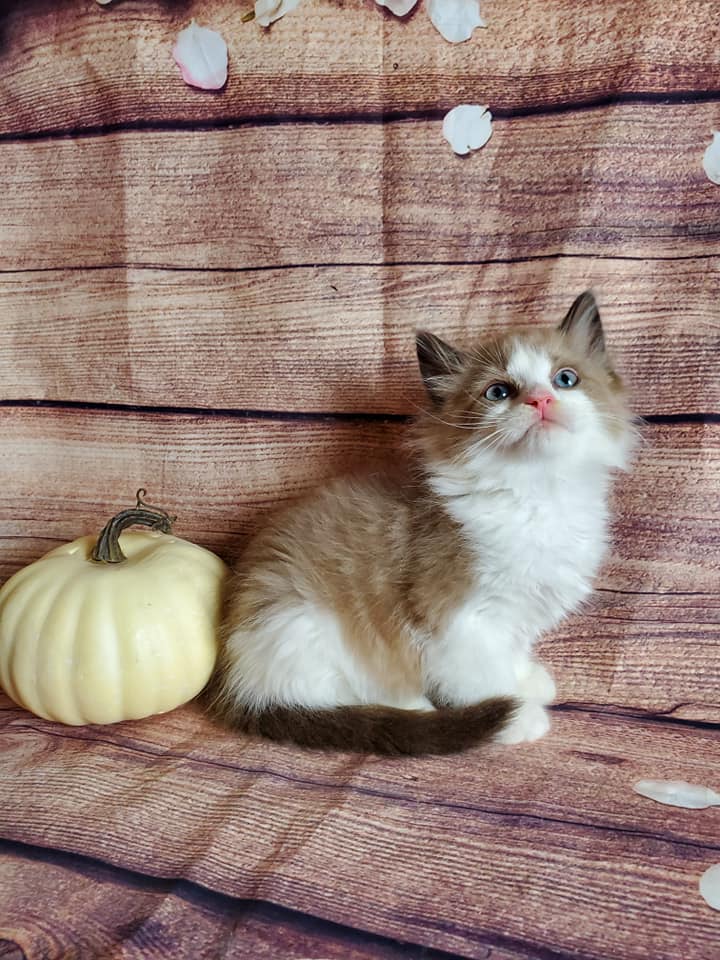
The Cost of Raising a Ragdoll Kitten in the First Year
Bringing home a Ragdoll kitten is a long-term commitment that includes much more than the initial adoption price. Food, veterinary care, litter, enrichment, grooming, and emergency planning all contribute to the true first-year cost.
Ragdolls are affectionate, people-oriented cats that often become deeply involved in family life. Their calm nature and larger adult size make thoughtful preparation especially valuable. A realistic budget helps ensure your kitten receives consistent care from the first day at home through the transition into adulthood.
Costs vary by location, breeder, household preferences, and the kitten’s health needs. Families in Helena and throughout Montana should also account for local veterinary pricing and the possibility of travel for specialized feline care.
Planning Around The Adoption Price
The adoption fee is usually the largest single expense at the beginning. For a purebred Ragdoll kitten, the price may reflect pedigree, registration, health screening, early socialization, vaccinations, and breeder support. Ask what is included before comparing prices between catteries.
A responsible program may provide veterinary records, age-appropriate vaccines, parasite prevention, registration information, and a spay or neuter agreement. At Ragdoll Kittens Cattery, kittens are raised indoors in a cage-free family environment and handled daily, which supports their social development before adoption. Health screening related to HCM, FIV, FeLV, and feline heartworm disease is also an important part of evaluating the overall value of a kitten.
Setting Up A Comfortable Home
Initial supplies can add several hundred dollars before recurring expenses begin. A Ragdoll needs a sturdy litter box, quality litter, food and water dishes, a secure carrier, scratching surfaces, toys, grooming tools, and a comfortable sleeping area.
Because Ragdolls grow into substantial cats, choose equipment that will remain useful as your kitten matures. A stable cat tree, wide resting platforms, and a carrier with enough room for an adult cat can prevent replacement costs later. Microchip registration and basic identification are also sensible early investments.
| First-Year Expense | Typical Planning Range |
|---|---|
| Adoption fee | Varies by cattery and contract |
| Initial supplies | $150–$450 |
| Wellness examinations | $150–$350 |
| Vaccines and boosters | $75–$200 |
| Spay or neuter, if not included | $200–$500 |
| Food and treats | $300–$700 |
| Litter and waste supplies | $180–$450 |
| Grooming tools and care | $40–$150 |
| Emergency reserve or insurance | $250–$800+ |
| Estimated costs beyond adoption fee | $1,345–$3,600+ |
Covering Veterinary Needs
A first-year veterinary budget should include an initial examination soon after adoption. The veterinarian can review the kitten’s records, confirm general health, discuss vaccination timing, and recommend parasite prevention. Follow-up visits may be needed for booster vaccinations and routine monitoring.
Spay or neuter surgery is another major expense unless it is already completed or included in the adoption agreement. Ask about the kitten’s health guarantee, what testing has been performed, and which conditions require veterinary documentation. Ragdolls can be prone to inherited heart concerns, so understanding the breeder’s HCM screening practices is particularly important.
Preventive care is generally less expensive than treating advanced illness. Set aside money for annual examinations, flea and tick control when appropriate, dental care, and diagnostic testing if your veterinarian identifies a concern.
Managing Food, Litter, And Grooming
Food costs depend on whether your kitten eats wet food, dry food, or a combination. Growing kittens need a nutritionally complete diet formulated for their life stage. Ragdolls may continue growing for several years, so your veterinarian can help adjust portions as weight and activity change.
Litter is a recurring expense that can become significant over twelve months. Larger boxes and unscented, low-dust litter are often practical choices for this breed. Daily scooping helps control odor and encourages good litter habits, while washable mats can reduce waste tracked through the home.
Ragdoll coats are semi-long and silky, so regular brushing helps limit mats and loose hair. A stainless-steel comb, soft brush, nail trimmers, and occasional professional grooming may be enough for many households. Begin gentle grooming sessions early so coat care becomes a familiar part of the kitten’s routine.
Preparing For Unexpected Expenses
An emergency fund protects your household from having to make rushed decisions if your kitten becomes ill or injured. Even a healthy kitten may need urgent care after swallowing an object, developing gastrointestinal symptoms, or sustaining an accidental injury.
Pet insurance can help with eligible accidents and illnesses, although policies differ regarding deductibles, reimbursement limits, waiting periods, and hereditary conditions. Read the policy carefully and keep a separate savings reserve for expenses that are excluded or require payment before reimbursement.
Budgeting for enrichment also supports physical and emotional health. Rotate interactive toys, provide safe climbing opportunities, and spend time playing and handling your kitten. These modest expenses can reduce boredom and help a social Ragdoll thrive.
Creating A Sustainable Monthly Plan
After the initial setup, many families find it easier to manage costs by separating predictable bills from emergency savings. A monthly estimate for food, litter, preventive care, and replacement toys can be combined with a separate contribution toward annual veterinary visits.
A simple plan may include:
- Reserve $40–$100 each month for food, litter, and routine supplies.
- Set aside $25–$75 monthly for veterinary care and preventive treatments.
- Keep at least several hundred dollars available for urgent medical needs.
- Review food portions and litter use as the kitten grows into adulthood.
- Save adoption records, vaccine certificates, test results, and insurance documents in one place.
Before bringing a kitten home, confirm the current adoption terms, included veterinary services, and recommended diet. If you need details about available kittens, health information, or the adoption process, you can contact the cattery directly.
A well-prepared first-year budget gives your Ragdoll a secure start and helps your family enjoy the companionship without financial surprises. Plan for the adoption fee, build a monthly care routine, and maintain an emergency cushion so your kitten’s health and comfort remain the priority.