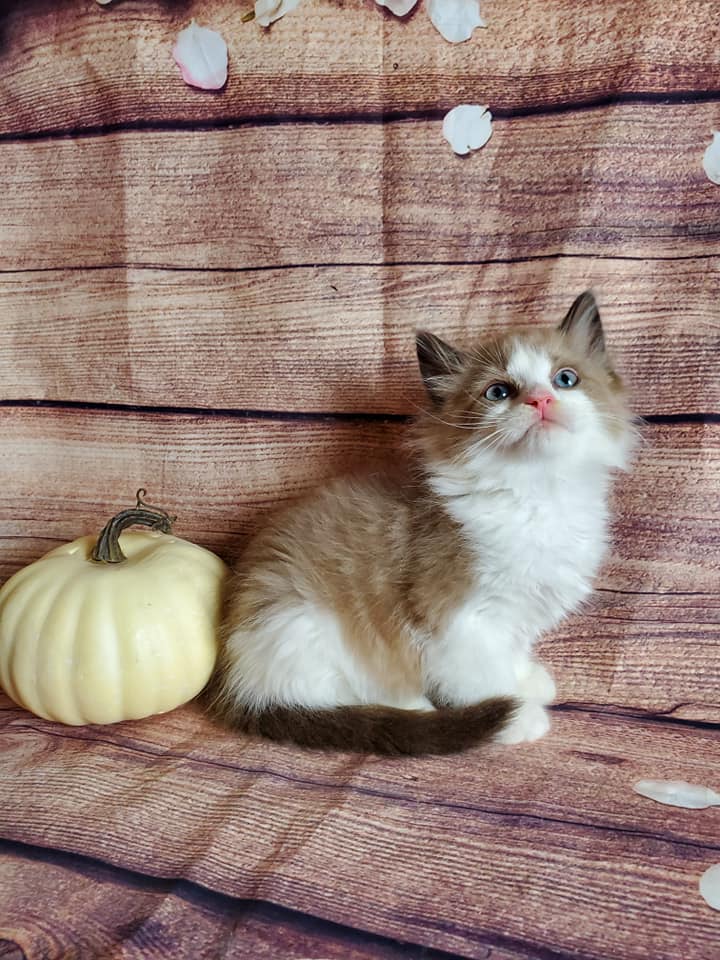
Ragdoll vs Birman: how to tell these pointed beauties apart
Walking into a Sydney pet expo or scrolling through Brisbane adoption listings, it is easy to see why two pointed, blue-eyed breeds keep getting mixed up. The Ragdoll and the Birman both wear soft, light coats with darker faces, ears, legs and tails, and both are loved for their gentle temperaments. For Australians weighing up which companion suits a Melbourne apartment or a Perth family home, the differences matter more than the similarities suggest.
Both breeds trace back to twentieth-century breeding programmes, yet the Ragdoll was developed for a docile, almost limp response when held, while the Birman carries temple-cat legends and a more curious, playful energy. Knowing those distinctions helps future owners match the right cat to their household rhythm and local conditions.
Catteries that focus on purebred Ragdolls, like the small TICA-registered hobby programmes across regional Victoria and New South Wales, often field questions from hopeful adopters who think they want a Birman instead, or vice versa. A clear side-by-side look makes the choice honest and far less stressful.
| Feature | Ragdoll | Birman |
|---|---|---|
| Origin | California, USA, 1960s | Burma and France, early 1900s |
| Adult weight | 4.5–9 kg, slow to mature | 3–5 kg, grown by age 3 |
| Coat texture | Plush, semi-long, rabbit-like | Silky, single layer, mat-resistant |
| Eye colour | Always vivid blue | Deep sapphire, slightly oval |
| White markings | Optional mitted or bi-colour | Four white "gloves" mandatory |
| Temperament | Calm, floppy when held | Gentle but playful |
| Grooming demand | Moderate, seasonal shedding | Light, year-round low shedding |
Origins and breed history
The Ragdoll story began in Riverside, California, when breeder Ann Baker developed cats noted for going limp in human arms. The breed was eventually registered through TICA, the registry many Australian hobby catteries use today. Visitors to the Royal Melbourne Show's cat pavilion can see Ragdolls and Birmans judged side by side and quickly appreciate how different origins shaped their modern look.
The Birman carries a romantic history. Temple legends place the founding cats with Kittah priests in Burma, and the first documented Birmans reached France in the early twentieth century. The Australian Cat Federation maintains its own Birman standard, and the breed has a loyal following from Hobart to Cairns.
Body, coat and markings
At first glance the two breeds share the same colour-point pattern: a pale body with darker extremities, blue eyes and a medium-length coat. Lift a Ragdoll, however, and the size difference is immediate. Males can top nine kilograms and feel surprisingly heavy, while Birmans usually sit between three and five kilograms with a more compact, muscular frame.
Coat handling tells another story. The Ragdoll's fur is plush and slightly undercoated, giving it that rabbit-fur feel but also meaning more shedding during the Australian spring in Adelaide or Canberra. The Birman's coat is single-layered and silky, so loose hair tends to stay put. White paws are the Birman's signature, with symmetrical gloves required in the show ring, whereas Ragdolls may have mitted paws, a blaze, or none at all.
Personality at home
Ragdolls earned their name because they melt into the arms of anyone who picks them up, a trait Australian owners find ideal for therapy work in aged-care facilities across the Gold Coast and Geelong. They follow family members from room to room, flop on the sofa and greet guests without fuss, often taking three to four years to reach full maturity.
Birmans are equally affectionate but keep more kitten-like spark into adulthood. They will fetch, learn small tricks and investigate visitors, then settle into a lap when the room goes quiet. For a busy Sydney household, the Birman's mix of play and affection can suit better. For retirees in a calm Brisbane or Perth home, the Ragdoll's steady presence often wins out.
Grooming and the Australian climate
Australia's climate ranges from the humid subtropics of Queensland to the dry heat of inland South Australia, and that affects coat care for both breeds. Ragdolls benefit from a weekly brush with a steel comb and more frequent sessions during the September–November moulting season, when hair on a black sofa in a Canberra unit becomes impossible to ignore. Their thicker coat also appreciates air-conditioning in the Top End, where humidity can lead to matting.
Birmans need less routine brushing, though a quick weekly pass still keeps the silky coat knot-free. Because they have no dense undercoat, they tend to handle tropical conditions in Townsville a touch better. Australians should also remember that microchipping is compulsory across most states, including NSW, Victoria and Queensland, so any new kitten needs registration with the local council within the required timeframe.
Health testing and responsible breeding
Responsible breeders, whether running a small TICA-registered cattery in regional Victoria or a larger operation near Perth, screen their breeding cats for hypertrophic cardiomyopathy (HCM), feline immunodeficiency virus (FIV), feline leukaemia virus (FeLV) and feline heartworm. These tests matter because both breeds can carry genetic predispositions to HCM, which has been documented in Australian bloodlines.
Prospective owners should request copies of health certificates, ask about the age of the parents and confirm the kittens have been raised indoors with daily handling. Online marketplaces sometimes list unverified kittens at low prices, but these rarely come with screening records, so working with a registered breeder or a council-affiliated rescue group is the safer route.
Choosing the right fit for Australian homes
Apartment living is common in Sydney and Melbourne inner suburbs, and both breeds adapt well to indoor life with window perches, scratching posts and regular play. Victorian rental reforms introduced in 2020 require landlords to consider written pet requests rather than blanket-banning animals, which has opened doors for tenants wanting to adopt either cat. Other states are moving in similar directions, though rules vary by jurisdiction.
Family households with school-age children often find the Ragdoll's tolerance reassuring during floor play. Couples or singles who travel occasionally may prefer the Birman's independent streak and easier coat. Either way, planning for an indoor lifestyle, a sturdy cat tree and a quality diet will shape a happy fifteen or more years together.
Visual cues to remember at a glance
- Pick up the cat — Ragdolls feel noticeably heavier for their size.
- Symmetrical white gloves on the paws point to Birman; mitted or no white points to Ragdoll.
- Plush, springy coat suggests Ragdoll; flat, silky coat suggests Birman.
- Limp when held suggests Ragdoll; alert curiosity when held suggests Birman.
Questions worth asking a breeder
- Which genetic tests have been run on the parents, and can I see the paperwork?
- How are the kittens socialised with people, other cats and household sounds?
- What diet and litter routine do you recommend for this bloodline?
- Do you offer ongoing support if the cat develops HCM later in life?
Setting up a video call with two or three registered breeders and watching how a litter of kittens responds to being handled will usually settle the matter before any paperwork is signed.