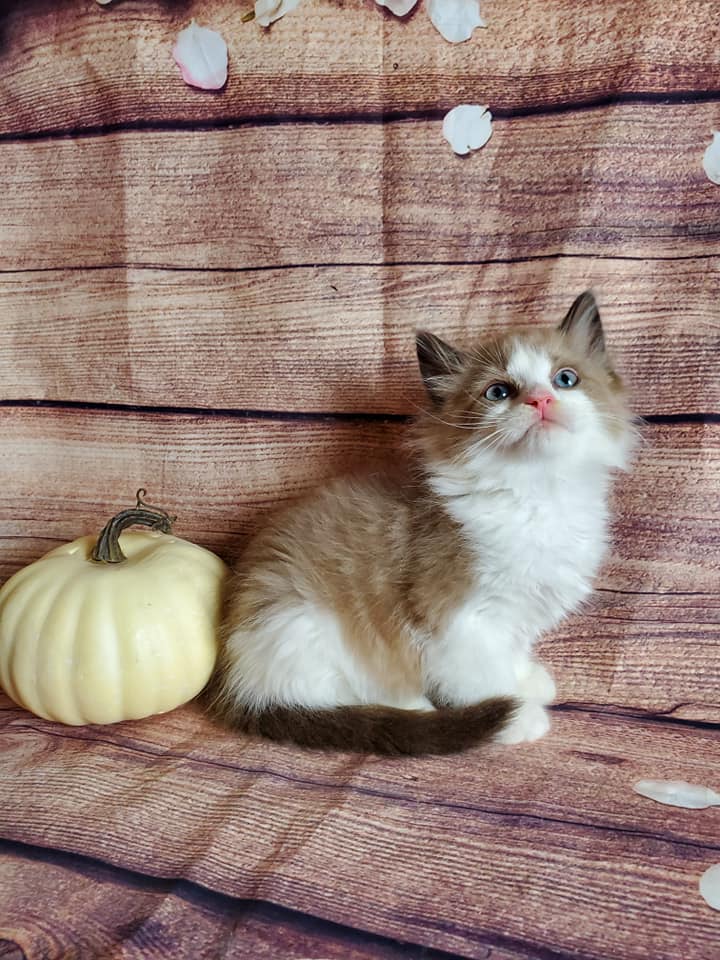
Ragdoll And Ragamuffin Cats: Understanding The Difference
Ragdoll and Ragamuffin cats are large, affectionate breeds known for their gentle personalities and luxurious coats. Their names, appearance, and family-friendly reputations can make them seem nearly interchangeable, yet they are distinct breeds with different histories, standards, and typical physical traits.
Choosing between them involves more than comparing blue eyes with green eyes or one coat pattern with another. Temperament, grooming needs, color possibilities, breeder practices, and the kind of companionship a household wants all deserve attention.
At Ragdoll Kittens Cattery in Helena, Montana, families often ask how these breeds compare before deciding whether a Ragdoll kitten is the right fit. Understanding the similarities and differences can make that decision clearer.
Shared Traits And Breed History
Ragdolls and Ragamuffins are both affectionate companion cats developed in the United States. They tend to enjoy human interaction, adapt well to indoor living, and form strong bonds with their families. Many are comfortable being held, following people from room to room, or relaxing nearby during quiet activities.
The Ragdoll breed was developed in California during the 1960s and became known for its colorpoint pattern, blue eyes, substantial size, and relaxed demeanor. Ragamuffins share some ancestry with Ragdolls, but breeders established them as a separate breed with their own registration standards and a broader range of accepted appearances.
Neither breed should be selected solely because of a reputation for going limp when carried. Individual cats vary. Early socialization, health, genetics, and the home environment all influence behavior.
Appearance And Coat Patterns
A traditional Ragdoll has blue eyes and a pointed pattern, meaning the ears, face, legs, and tail are darker than the body. The breed is commonly seen in seal, blue, chocolate, lilac, red, and cream shades, with patterns such as colorpoint, mitted, and bicolor. Lynx and tortie variations are also recognized in some registries.
Ragamuffins may have a wider variety of eye colors, including blue, green, gold, amber, and odd-eyed combinations. Their coats can appear in many colors and patterns, including solid, tabby, tortoiseshell, calico, and pointed designs. This broader range gives Ragamuffin cats a less predictable visual appearance from one litter to another.
Both breeds have medium-to-long, soft coats with less dense undercoats than some other longhaired cats. Regular combing helps limit mats and removes loose hair, although neither breed is truly maintenance-free.
Size, Structure, And Personality
Both breeds are typically muscular, medium-large to large cats, with males often weighing more than females. Ragdolls usually have a long, substantial body, broad chest, and strong bone structure. Their growth can continue for several years, so a young kitten may look lanky before reaching adult proportions.
Ragamuffins also have a sturdy build, but their body shape may appear more rounded or plush. Their heads are often broad, with expressive, walnut-shaped eyes and a sweet facial expression. As with Ragdolls, healthy weight depends on body condition rather than a number on the scale.
Personality differences are usually tendencies rather than guarantees. Ragdolls are often calm, people-oriented, and quietly playful. Ragamuffins are also affectionate but may be somewhat more playful, outgoing, or adaptable. Both can make excellent family pets when raised with thoughtful handling and positive experiences.
| Feature | Ragdoll | Ragamuffin |
|---|---|---|
| Eye color | Blue in accepted traditional breed standards | Blue, green, gold, amber, or other accepted colors |
| Common coat patterns | Colorpoint, mitted, bicolor, lynx, and tortie variations | Solid, tabby, tortoiseshell, calico, pointed, and other patterns |
| Coat texture | Silky, semi-long coat with a light undercoat | Soft, plush, semi-long coat with a light undercoat |
| Typical temperament | Gentle, calm, affectionate, and people-focused | Affectionate, sociable, playful, and adaptable |
| Adult development | Often matures slowly and reaches a substantial size | Also slow-growing, with a broad and sturdy appearance |
| Breed identity | Distinct breed with established Ragdoll standards | Separate breed with shared historical roots but different standards |
Health Screening And Responsible Breeding
A pedigree alone does not guarantee good health. Responsible breeders evaluate breeding cats, maintain veterinary records, and provide clear information about family history. Buyers should look for evidence of appropriate screening rather than relying on appearance or registration status alone.
Ragdolls are associated with hypertrophic cardiomyopathy, or HCM, a heart disease that can have a genetic component. Health-conscious programs use DNA testing where appropriate and may also work with veterinarians for cardiac evaluation. Screening for feline immunodeficiency virus, feline leukemia virus, and feline heartworm disease can provide additional insight into the health of breeding cats and the cattery environment.
Ragamuffin breeders should likewise prioritize cardiac history, infectious disease prevention, parasite control, and routine veterinary care. Ask what testing has been performed, what vaccinations and deworming a kitten has received, and whether the breeder provides a written health agreement.
Grooming, Exercise, And Daily Life
The coat of either breed benefits from a stainless-steel comb or gentle grooming brush several times a week. Pay special attention to the ruff, armpits, belly, and hind legs, where tangles can develop. Nail trims, dental care, and routine ear checks should become familiar parts of kitten care.
These cats are generally suited to indoor homes, where they can be protected from traffic, predators, parasites, and infectious disease. They still need climbing areas, scratching posts, interactive toys, and daily play. A large cat tree and sturdy resting spaces are especially useful for growing Ragdolls and Ragamuffins.
Their sociable nature means long periods of isolation may be difficult for some individuals. A predictable routine, affectionate interaction, and gradual introductions to children or other pets help kittens become confident companions.
Selecting A Kitten For Your Home
The best match depends on more than whether a kitten is technically a Ragdoll or Ragamuffin. Consider activity level, household noise, grooming expectations, available space, and whether the cat will spend much of the day alone. A calm kitten may suit a peaceful home, while a more adventurous personality could thrive with active family members.
A cage-free, family environment can give kittens frequent exposure to household sounds, handling, and everyday routines. At Ragdoll Kittens Cattery, kittens are raised indoors and handled daily to support social development. Families interested in a loving pet or therapy cat should discuss temperament, early experiences, and long-term care with the breeder.
Practical Adoption Priorities
Before reserving a kitten, focus on the following details:
- Confirm the breed registration, pedigree information, and written health guarantee.
- Ask about HCM screening along with FIV, FeLV, parasite prevention, and vaccination records.
- Observe whether kittens are bright, clean, curious, and comfortable with gentle handling.
- Match the kitten’s expected grooming and activity needs to your household routine.
- Plan for quality food, veterinary care, enrichment, scratching equipment, and regular combing.
Finding The Right Companion
Ragdolls and Ragamuffins can both become devoted indoor companions, but their breed standards create meaningful differences in appearance and color. Ragdolls are especially recognized for blue eyes and pointed patterns, while Ragamuffins offer greater variety in coat colors and eye shades. Temperament, health practices, and early socialization matter just as much as breed labels.
Explore available Ragdoll kittens at Ragdoll Kittens Cattery in Helena, Montana, and review the health, socialization, and adoption information before making your decision. A thoughtful match can give your family a gentle, well-prepared companion for many years.