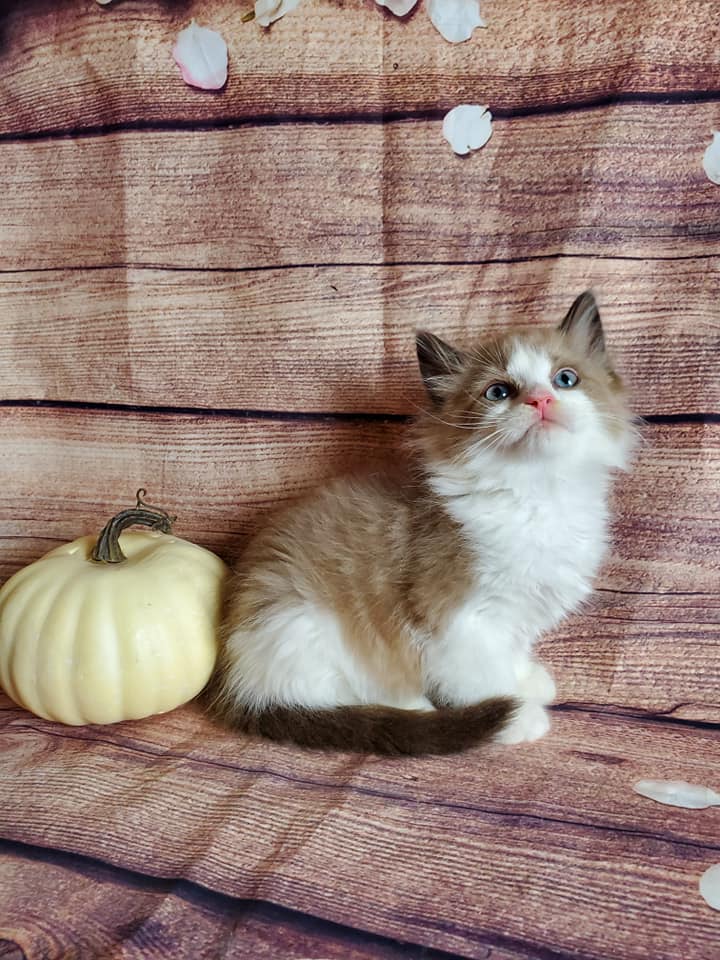
The History And Origin Of The Ragdoll Cat Breed
The Ragdoll is one of the best-known modern cat breeds, recognised for its blue eyes, colourpoint pattern, silky coat and relaxed manner. Its history is comparatively recent, beginning in California during the 1960s rather than in the ancient breeding traditions associated with some other pedigree cats.
The breed was developed through careful selection from domestic longhaired cats. Over time, breeders established the distinctive Ragdoll appearance and temperament while working towards consistent colour, markings, size and structure.
For Australian families, understanding this background helps explain why responsible breeders focus on pedigree records, early socialisation and health screening. A kitten advertised as “Ragdoll type” may look similar without being a registered purebred Ragdoll, so breed history remains relevant when comparing catteries and adoption options.
| Period | Key development | Importance to the breed |
|---|---|---|
| Early 1960s | Selective breeding began in Riverside, California | The foundation of the modern Ragdoll |
| Mid-1960s | Early lines such as Daddy Warbucks, Buckwheat and Fugianna were established | Consistent colours and markings began to emerge |
| 1970s | Breed promotion and registration expanded | Ragdolls became available beyond the original breeding programme |
| 1980s onward | Major cat associations accepted the breed | International standards and pedigrees became more established |
The California Beginning
The Ragdoll story is generally traced to Ann Baker, a breeder in Riverside, California. She began developing the breed in the early 1960s after working with a white domestic longhaired cat named Josephine. Josephine produced kittens with appealing temperaments, soft coats and an unusually relaxed way of being held.
Baker selected some of Josephine’s offspring and other local cats to create a recognisable line. Among the early foundation cats were Daddy Warbucks, a seal-point male with a white blaze, and cats known as Buckwheat and Fugianna. These cats helped establish the colourpoint, mitted and bicolour patterns now associated with the breed.
The name “Ragdoll” referred to the tendency of many early cats to relax in a person’s arms. It was a memorable name for a developing breed, although individual cats vary. A well-socialised Ragdoll may be calm and affectionate, but it is still an active, intelligent cat with its own personality.
Early Breeding And Foundation Lines
The original breeding programme was selective rather than based on a long-established closed pedigree. Breeders aimed to combine a gentle disposition with a substantial body, semi-long coat and striking blue eyes. The early cats provided the genetic foundation from which the familiar Ragdoll type developed.
The traditional patterns include colourpoint, mitted and bicolour. Lynx and tortie variations were later recognised in some registries and breeding programmes. Point colour can include seal, blue, chocolate, lilac, red and cream, with newer variations accepted according to the rules of the relevant association.
This variety explains why two purebred Ragdolls can look quite different while sharing the same breed identity. A blue bicolour may have a soft, pale appearance, while a seal mitted cat usually has stronger contrast and darker points.
Separating Facts From Breed Myths
Stories about the breed’s origin sometimes include claims that Ragdolls cannot feel pain, have unusually low muscle tone or become completely limp whenever lifted. These ideas are myths. Ragdolls have normal feline senses, muscles and pain responses, and they require the same careful handling as any other kitten.
Their calm reputation is better explained by inherited temperament, early experiences and thoughtful socialisation. Kittens raised indoors in a family environment and handled gently each day are more likely to become confident companions. Their relaxed behaviour should never be used as a reason to carry, restrain or treat them carelessly.
A reputable cattery also avoids promising that every kitten will be identical. Personality develops through genetics, maternal care, household experiences and the kitten’s own character. Some Ragdolls are placid lap cats, while others are playful, vocal and keen to follow people around the house.
Recognition And International Growth
As interest in the breed increased, disagreements emerged about how Ragdolls should be bred and managed. Ann Baker created the International Ragdoll Cat Association, while other breeders formed separate groups and worked with established cat registries. This helped move the breed from a private American programme into the wider world of pedigree cats.
Major organisations, including TICA and other international registries, later recognised the Ragdoll under defined breed standards. Registration gives breeders a framework for documenting ancestry, colour, markings and conformation. It also helps families distinguish a documented purebred kitten from a cat whose appearance simply resembles the breed.
Ragdolls are now popular across Australia, including in Sydney, Melbourne, Brisbane and Perth. Australian buyers commonly compare TICA, CCCA or other registry credentials, depending on the breeder and state. Because the local market is relatively small compared with the United States, waitlists and interstate transport are familiar parts of the adoption process.
Why Health Became Part Of The Story
The early history focused heavily on temperament and appearance, but modern breeding must give equal attention to health. Hypertrophic cardiomyopathy, or HCM, is an important concern in Ragdolls because a known genetic variant can contribute to risk. Responsible programmes combine genetic information with veterinary assessment and appropriate breeding decisions.
Health screening may also include testing for FIV, FeLV and feline heartworm disease, along with vaccination, parasite prevention and routine veterinary examinations. A health-tested parent does not guarantee that a kitten will never become ill, but it demonstrates that the breeder is making informed decisions rather than breeding for appearance alone.
Australia’s climate makes practical care especially important. In hot areas such as Queensland or Western Australia, kittens need cool indoor spaces, fresh water and protection from heat stress. Families arranging a flight from a breeder in another state should also use safe pet transport and plan around the kitten’s age, vaccination status and local veterinary requirements.
The Ragdoll In A Family Home
The breed’s history helps explain its appeal as a companion cat. Ragdolls are often people-oriented, adaptable and gentle, making them suitable for households seeking a pet or, when temperament and training are appropriate, a therapy cat. Their coat is soft and moderately prone to tangling, so regular combing is part of normal care.
A small, cage-free cattery can support this development by allowing kittens to experience household sounds, safe play and daily human contact. This is particularly valuable for Australian families looking for a kitten that can settle into an ordinary home rather than a commercial breeding environment. Local buyers should expect clear information about desexing, microchipping, vaccinations, registration and transport arrangements.
The history of the Ragdoll is therefore a story of deliberate selection, international recognition and continuing responsibility. From Josephine’s early offspring in California to carefully raised kittens today, the defining goal remains a healthy, well-adjusted cat with the breed’s characteristic beauty and affectionate nature. The key point to remember is that a true Ragdoll is shaped by documented ancestry, responsible health care and lifelong socialisation—not appearance alone.