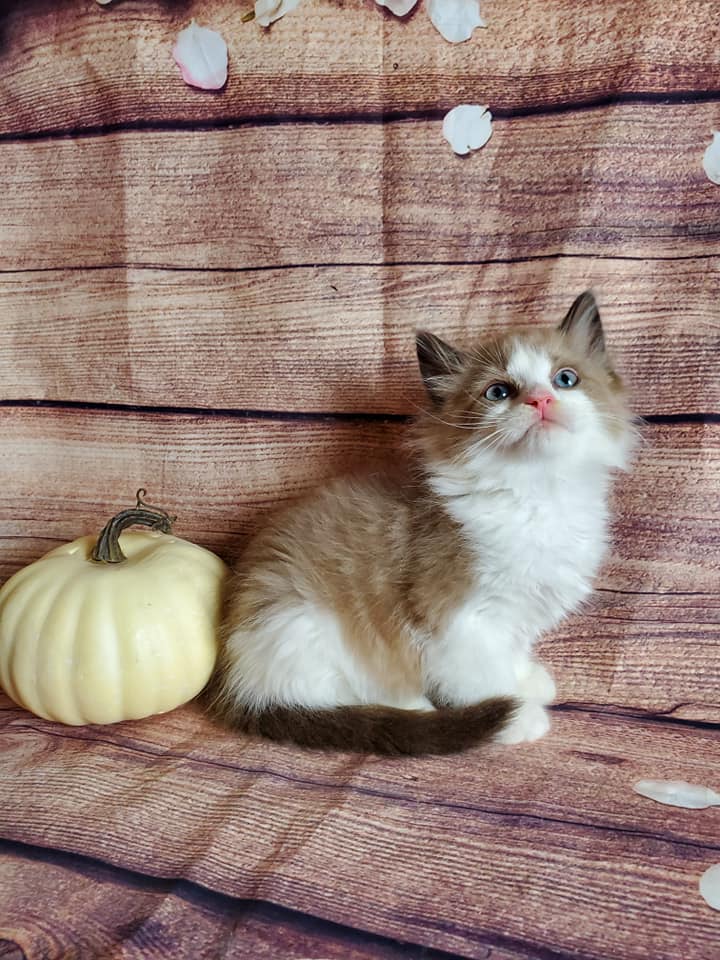
How Cage-Free Living Supports Healthy Ragdoll Kittens
A kitten’s earliest surroundings influence how confidently it responds to people, new spaces, sounds, and everyday routines. For Ragdolls, a breed known for its gentle temperament and strong bond with families, a calm home environment can support the social skills that continue developing after adoption.
At Ragdoll Kittens Cattery in Helena, Montana, kittens are raised indoors in a cage-free family setting. They are handled daily and included in ordinary household activity, giving them opportunities to explore, rest, play, and interact at their own pace.
The importance of a cage-free environment for kitten development reaches beyond comfort. A thoughtfully managed living space can encourage coordination, curiosity, emotional security, and positive human interaction while allowing caregivers to monitor each kitten closely.
Room To Explore And Build Confidence
Cage-free living gives kittens more opportunities to move through different safe areas instead of spending most of their early weeks in a confined enclosure. Walking, climbing, chasing toys, and navigating around furniture help strengthen balance and coordination during a fast stage of physical growth.
Exploration also gives kittens manageable experiences with novelty. A kitten may encounter new textures, household sounds, surfaces, and objects while still having access to familiar people and resting places. These small experiences can help reduce uncertainty when the kitten later enters a new home.
Freedom does not mean unlimited access to an uncontrolled environment. Responsible caregivers create kitten-proof spaces, remove hazards, and supervise activity. The goal is a secure area that provides variety without overwhelming young animals.
Daily Handling Encourages Social Development
Gentle, consistent handling helps kittens become familiar with human touch. At a family cattery, this may include being picked up, stroked, spoken to, and calmly examined. These interactions can make routine experiences such as grooming, nail care, veterinary visits, and carrier travel easier to introduce.
Daily contact also allows caregivers to notice individual personalities. One kitten may seek attention immediately, while another may prefer observing before joining in. Respecting these differences helps build trust rather than forcing interaction before a kitten is ready.
For Ragdoll kittens intended as companion animals or therapy cats, early positive human experiences are especially valuable. Socialization is not about making every kitten behave identically; it is about giving each one a foundation for forming healthy relationships with people.
A Family Setting Provides Everyday Learning
A family environment exposes kittens to normal household rhythms. They may hear conversations, footsteps, doors, appliances, and other gentle sounds that are part of daily life. With appropriate supervision, these experiences can help make future transitions less startling.
Kittens also learn through observation and play. They develop communication skills with littermates, practice boundaries, and refine stalking and chasing behaviors through age-appropriate games. Interactive toys, scratching surfaces, climbing options, and cozy beds can support both activity and rest.
A cage-free space should include quiet retreat areas. Healthy development depends on a balance between stimulation and recovery. When kittens can leave an exciting activity and settle somewhere peaceful, they begin developing the ability to regulate their energy and seek rest.
| Developmental need | How a cage-free setting can help | What caregivers should provide |
|---|---|---|
| Physical coordination | Encourages walking, climbing, jumping, and play | Stable surfaces, safe toys, and age-appropriate climbing options |
| Social confidence | Creates regular contact with people and littermates | Gentle handling, predictable routines, and individual attention |
| Adaptability | Introduces ordinary sights, sounds, and textures | Gradual exposure without excessive noise or crowding |
| Emotional security | Allows kittens to choose activity or retreat | Quiet beds, hiding areas, and familiar caregivers |
| Health observation | Makes behavior and daily habits easier to monitor | Clean spaces, regular checks, and veterinary care |
Health Monitoring Remains Essential
A spacious environment supports development, but cleanliness and health protocols are equally important. Kittens need sanitary litter areas, fresh water, suitable nutrition, comfortable temperatures, and regular observation. Caregivers should watch appetite, energy, breathing, stool quality, and social behavior for changes.
At Ragdoll Kittens Cattery, health screening is an important part of responsible breeding and kitten care. Testing and veterinary oversight address concerns including hypertrophic cardiomyopathy, or HCM, as well as FIV, FeLV, and feline heartworm disease. Health practices work alongside environmental enrichment to support a strong start.
Cage-free care also allows caregivers to observe kittens during normal activity rather than seeing them only when they are removed from a pen. Changes in movement, playfulness, appetite, or interaction may be easier to recognize when kittens are active in a familiar home setting.
Clean Boundaries Make Freedom Safer
A well-designed cage-free area has clear boundaries. Kittens should not have access to unsafe wires, toxic plants, small objects, open windows, unstable furniture, or other household hazards. Doors and gates can separate young kittens from pets or areas that have not been prepared for them.
Supervised contact with adults and other animals helps protect both the kittens and the household. Interactions should remain calm, and each kitten should have a way to move away. This approach supports confidence while honoring a kitten’s need for personal space.
Routine matters as well. Regular feeding, play, rest, cleaning, and handling provide predictability within an open environment. Kittens can explore freely while still learning that people meet their needs in consistent and reassuring ways.
Preparing For A Positive Transition Home
Moving to a new family is a major change, even for a well-socialized kitten. Caregivers can ease the transition by sharing information about feeding routines, familiar foods, litter preferences, favorite toys, and comforting sleep arrangements. Adopters can then create a small, prepared room before gradually introducing more of the home.
Families should expect a period of adjustment. A kitten may explore immediately or spend time observing from a quiet location. Patience, gentle interaction, and consistent routines help the kitten feel secure without creating pressure to engage.
When choosing a Ragdoll kitten, families can ask about the kitten’s daily environment, socialization experiences, health screening, and personality. Useful preparation includes:
- Set up a quiet starter room with food, water, litter, bedding, and safe toys.
- Remove cords, fragile objects, toxic plants, and small items from the kitten’s reach.
- Keep the first days calm and allow the kitten to approach new people gradually.
- Continue gentle handling and play while protecting regular sleep periods.
- Arrange a veterinary appointment and bring all available health records.
A cage-free upbringing is most effective when it combines freedom with structure, enrichment with rest, and affectionate handling with careful health supervision. Families looking for a Ragdoll companion or therapy prospect can learn more about available kittens, breed traits, colors, markings, and adoption requirements through Ragdoll Kittens Cattery in Helena, Montana. Contact the cattery to begin the adoption process and discover which kitten may be the right fit for your home.