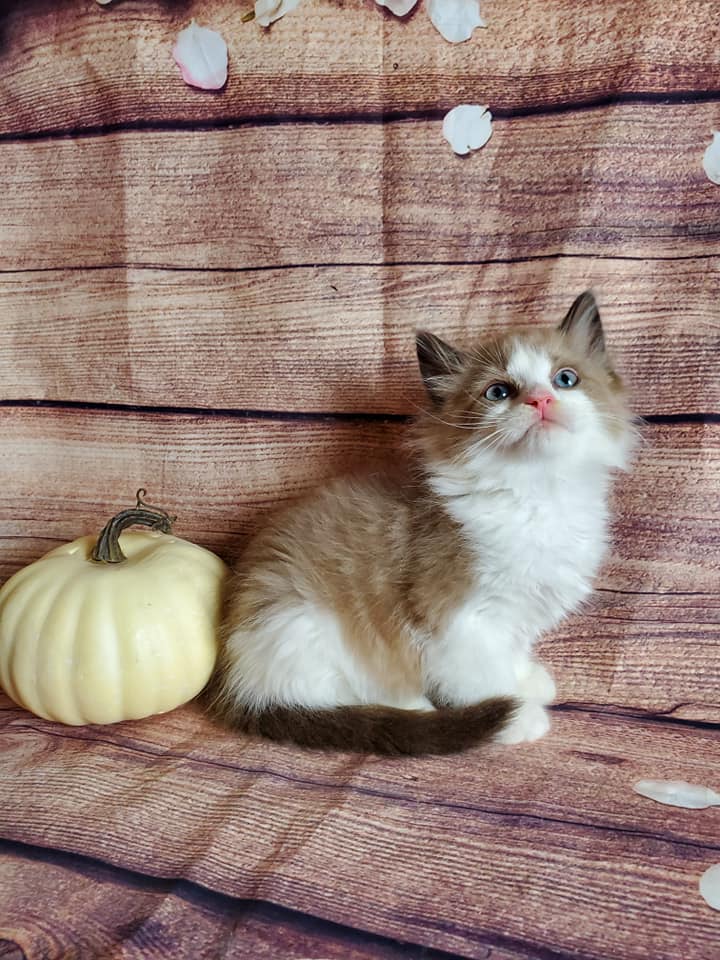
Why early veterinary care matters for Ragdoll kittens
Bringing home a Ragdoll kitten is an exciting step, especially when the kitten has been raised in a caring family environment. A veterinary appointment soon after adoption helps establish a health baseline and gives your veterinarian a clear picture of the kitten’s development, immunity, and overall wellbeing.
Young cats can appear bright and healthy while still carrying intestinal parasites, developing an infection, or needing additional protection against common diseases. Early veterinary checkups make it easier to identify small concerns before they become harder to manage.
A timely visit also creates a practical care plan for vaccinations, parasite control, nutrition, microchipping, and spaying or neutering. For a long-haired breed such as the Ragdoll, early guidance can support healthy growth, grooming habits, and confident adjustment to a new home.
Start with a complete health baseline
Most kittens should see a veterinarian within the first few days after arriving home, according to the clinic’s availability and the adoption agreement. This visit generally includes a physical examination of the eyes, ears, mouth, skin, coat, heart, lungs, abdomen, joints, and lymph nodes.
The veterinarian will also record the kitten’s weight and assess body condition. Regular weight checks are especially useful during the first months because steady growth is a valuable indicator of health. Bring the kitten’s vaccination history, deworming records, health certificate, and any information about food or recent medications.
A first examination may also identify issues that are easy to miss at home, such as retained baby teeth, a mild heart murmur, ear mites, an umbilical concern, or early respiratory symptoms. Prompt documentation gives your family and the veterinary team a reliable starting point.
Consider Ragdoll-specific health needs
Ragdolls are generally known for their gentle temperament, substantial size, and slow maturation. Their growth can continue for several years, so a veterinarian can help you choose an appropriate kitten diet and monitor body condition without encouraging excessive weight gain.
Heart health deserves thoughtful attention in this breed because hypertrophic cardiomyopathy, or HCM, can occur in cats. Responsible breeding programs use health screening and genetic information to reduce risk, but screening does not replace routine veterinary observation. Ask for clear records and share them with your kitten’s clinic.
Families researching Ragdoll kitten care can also learn about breed traits, colors, markings, and the health practices used by a small TICA-registered hobby cattery. Information from the breeder and findings from your own veterinarian work together to support informed decisions.
Keep vaccines and parasite prevention on schedule
Kittens receive important protection through a series of core vaccinations rather than one injection. The timing often begins around six to eight weeks of age and continues at intervals recommended by the veterinarian. The schedule depends on the kitten’s age, previous vaccinations, lifestyle, and local disease risks.
Parasite prevention is equally important. Intestinal worms, fleas, ear mites, and other parasites can affect appetite, digestion, skin condition, and growth. A fecal examination may be recommended, even when a kitten has already received deworming treatment, because different parasites require different medications.
Your veterinarian can also discuss testing for feline leukemia virus and feline immunodeficiency virus when appropriate. Indoor living lowers exposure to several hazards, but it does not eliminate every health risk. Preventive care should reflect the kitten’s household, future contact with other cats, and travel plans.
Know what the first appointment may include
A kitten wellness visit is more than a quick vaccination. It gives the veterinarian time to review daily routines, explain warning signs, and tailor recommendations to the individual cat. Prepare a short list of questions about feeding, litter habits, grooming, play, sleep, and socialization.
| Area of care | What the veterinarian evaluates | Why it matters |
|---|---|---|
| Physical examination | Weight, heart, lungs, eyes, ears, mouth, coat, and abdomen | Establishes a baseline and detects early concerns |
| Vaccination plan | Previous doses and upcoming boosters | Builds protection at the appropriate age |
| Parasite control | Deworming history, fecal testing, flea prevention | Supports digestion, growth, and skin health |
| Nutrition | Food type, portions, hydration, and growth rate | Helps prevent underfeeding or excess weight |
| Identification | Microchip and permanent records | Improves the chance of returning a lost cat |
| Reproductive care | Timing for spaying or neutering | Supports long-term health and responsible ownership |
Bring the kitten in a secure carrier lined with a familiar blanket. Avoid allowing the kitten to roam in a clinic waiting room, where unfamiliar animals may increase stress or expose a young cat to contagious illness. A calm, well-prepared visit can make future appointments easier.
Continue monitoring between visits
Early veterinary care works best when owners observe their kittens every day. Changes in appetite, water consumption, energy, stool, urination, breathing, or behavior can provide useful clues. Ragdolls may be relaxed and quiet by nature, so a noticeable change from the kitten’s normal pattern deserves attention.
Contact the veterinary clinic promptly if a kitten has repeated vomiting, persistent diarrhea, difficulty breathing, marked lethargy, refusal to eat, pale gums, severe eye discharge, or trouble urinating. Young kittens can become dehydrated or weak quickly, and waiting several days may allow a manageable problem to worsen.
At home, gentle grooming also offers a chance to check the skin, ears, paws, and coat. Introduce brushing gradually and reward calm cooperation. This routine supports coat maintenance while helping owners notice lumps, wounds, parasites, or areas of sensitivity.
Build a practical preventive care routine
A health plan should fit the kitten’s age and household rather than rely on a generic calendar. Keep an organized file for medical records, vaccine dates, test results, medication instructions, insurance information, and the clinic’s emergency contact details.
Before the first appointment, make these steps part of the kitten’s routine:
- Schedule a wellness exam within the first few days at home.
- Bring breeder records, vaccination details, and a fresh stool sample if requested.
- Ask about core vaccines, parasite prevention, nutrition, and future boosters.
- Discuss microchipping and the recommended timing for spaying or neutering.
- Weigh the kitten regularly and report unusual changes in appetite, stool, or energy.
Consistent preventive care helps a Ragdoll kitten grow into a healthy, well-adjusted companion. Once your kitten arrives, book the first wellness visit, bring the complete health records, and follow the veterinarian’s personalized plan from the beginning.