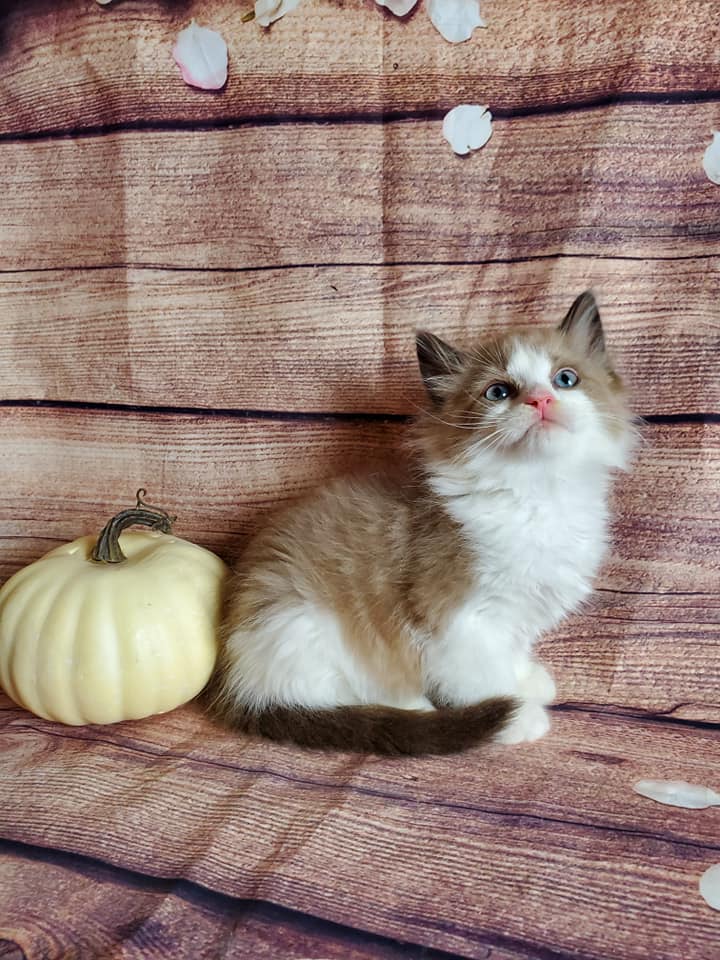
Why Microchipping Your Ragdoll Kitten Matters Before Adoption
Bringing a Ragdoll kitten home is an exciting step, whether the kitten will be a companion, a therapy cat, or part of a gentle family household. Alongside vaccinations, health records and desexing plans, permanent identification deserves careful attention before the adoption is finalised.
A microchip is a tiny electronic identification device placed beneath the skin. It does not track a cat’s location, but it connects the kitten to an owner’s contact details when scanned by a vet clinic, animal shelter or council facility. That link can make a major difference if a curious indoor cat slips through a door or becomes separated during travel.
For Australian families, local registration rules, changing addresses and long-distance moves make accurate records especially important. A kitten travelling from a cattery in Montana to a home in Melbourne, Brisbane or Perth may cross several systems and jurisdictions, so the information attached to the chip must be kept current.
| Choice | What it provides | Main limitation |
|---|---|---|
| Microchipped and registered | Permanent identity and a reliable way to contact the owner | Details must be updated after a move or change of phone number |
| Collar and tag only | A visible way to identify the cat | Collars can come off, snag or be removed |
| No identification | No dependable ownership record | Reuniting the cat becomes slower and more uncertain |
Permanent Identification For An Indoor Breed
Ragdolls are often calm, trusting and people-focused, which can make them less cautious around open doors, visitors or unfamiliar outdoor spaces. Their relaxed nature is one of the breed’s appeal, yet it can also mean they may not quickly find their way home if they escape.
A collar can be useful, but it is not a permanent solution. Breakaway collars may fall off, tags can become unreadable, and some cats simply lose accessories during an adventure. A registered microchip remains with the kitten throughout its life and gives shelters or veterinary teams a dependable starting point.
How The Microchip Supports Reunification
The chip stores a unique identification number rather than the owner’s address or phone number. When a scanner reads that number, an authorised person can use the relevant database to locate the registered keeper. The process only works when the chip has been recorded properly and the contact details are current.
Ask the breeder for the chip number in writing and check that it scans correctly at the handover appointment. Australian databases can differ, and services such as Pet Address may help locate registration records across participating systems. The key point is that implantation alone is not enough; the number needs to be linked to you.
Timing And Kitten Welfare
Microchipping should be carried out by a qualified veterinary professional using sterile equipment. Many kittens are chipped during a routine vaccination or health examination, which can reduce the number of separate clinic visits. Your vet can advise on the most suitable timing based on the kitten’s age, size and general health.
A reputable breeder will be able to explain when the chip was implanted and provide supporting documentation. Health screening remains equally important for Ragdolls, including appropriate checks and family history relating to hypertrophic cardiomyopathy, commonly called HCM. Broader health information may include screening for FIV, FeLV and feline heartworm disease, depending on the cattery’s programme and veterinary advice.
Australian Registration Responsibilities
Pet identification and registration rules vary between Australian states, territories and local councils. Requirements in New South Wales, Victoria, Queensland, Western Australia, South Australia, Tasmania, the Northern Territory and the Australian Capital Territory are not identical. Some councils also have their own processes, fees or deadlines.
Once your kitten arrives, check the rules for your council and complete any required registration or transfer. Australian owners often refer to this as getting the pet’s “rego” sorted, but the practical details matter more than the shorthand. Keep a copy of the adoption paperwork, vaccination record, microchip number and registration receipt together.
Updating Details After A Move
A common problem occurs when a family changes phone numbers, moves from a unit in Sydney to a regional property, or relocates interstate and forgets to update the database. The chip still scans, but the person trying to help the cat may reach an old number or an outdated address.
Update the record whenever your address, email, phone number or ownership changes. This is particularly valuable in Australia, where families may move between suburbs, travel long distances for holidays, or relocate after flooding, bushfires or other emergencies. Ask the database or council for written confirmation once the change has been completed.
Questions To Ask The Cattery
Before adoption, ask whether the kitten is already microchipped, which database holds the record and how the transfer into your name will be completed. Confirm that the chip number on the paperwork matches the number read by a scanner. You can also ask whether the kitten has received its initial vaccinations, veterinary examination and parasite treatment.
A small, family-focused breeder should be willing to discuss these details clearly. Learning about Ragdoll kitten details can also help families understand breed traits, colour and markings, socialisation practices and the steps involved in bringing a kitten home from a TICA-registered cattery.
Making Handover Records Complete
The adoption pack should contain more than a receipt. Ideally, it includes the microchip number, implantation date, vaccination history, health information, feeding guidance and the breeder’s contact details. A written agreement should explain what happens if the kitten becomes unwell soon after adoption and identify any registration responsibilities that remain with the new owner.
Scan or photograph the documents and store them somewhere secure. Give the number to your regular veterinary clinic when you book the first appointment, and ask the clinic to scan the kitten at that visit. This creates an early opportunity to confirm that the chip is readable and correctly recorded.
A Simple Safeguard For A Long Life
Microchipping does not replace supervision, secure screens, careful door routines or a suitable collar and identification tag. It provides a permanent backup when those precautions fail. For Ragdolls that may live indoors but still face risks during transport, vet visits or unexpected escapes, that backup is especially worthwhile.
Before adoption, make sure the chip is implanted by a professional, the number is written into the paperwork, the database transfer is completed and your Australian council requirements are checked. What every new owner should remember is simple: a microchip only protects a kitten fully when its unique number is registered to the right person and kept up to date.