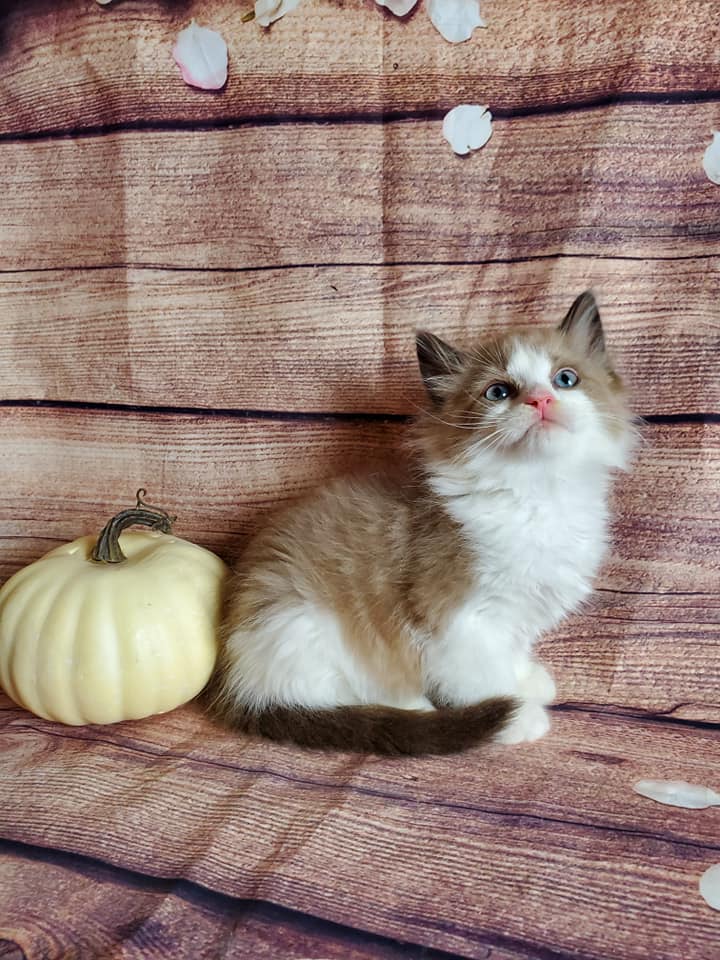
The Lifespan Of A Ragdoll Cat: What To Expect At Each Stage
Ragdoll cats are known for their gentle personalities, striking blue eyes, and affectionate nature. With attentive care, a healthy indoor Ragdoll commonly lives about 12 to 18 years, although some reach their late teens or beyond. Lifespan depends on genetics, preventive veterinary care, nutrition, activity, and the home environment.
Because Ragdolls mature gradually, each phase brings different physical and behavioral changes. A kitten needs support for steady growth and social development, while an older cat benefits from closer monitoring and adjustments that protect comfort and mobility.
At Ragdoll Kittens Cattery in Helena, Montana, kittens are raised indoors in a family setting and handled daily. This early care helps prepare them for life as loving companions or therapy cats, while health screening and responsible placement give each kitten a strong beginning.
The Kitten Years: Birth Through Twelve Months
Ragdoll kittens spend their first year growing rapidly. During this time, they develop coordination, confidence, litter box habits, and social skills. Regular gentle handling, positive play, and exposure to ordinary household activity can help a kitten become calm and adaptable.
A balanced kitten diet, routine vaccinations, parasite prevention, and scheduled veterinary examinations are essential. Your veterinarian can also discuss spaying or neutering, microchipping, dental care, and the best timing for each step.
Ragdolls may appear relaxed, but they still need daily play and safe climbing opportunities. Interactive toys, scratching posts, and supervised exploration encourage healthy muscles and mental stimulation without overwhelming a young cat.
Young Adulthood And Slow Maturity
Many Ragdolls continue filling out until they are three or four years old. Their body may become larger and more muscular after they have reached their adult height, so weight should be assessed by body condition rather than appearance alone.
During young adulthood, a Ragdoll’s personality often becomes more settled. The cat may remain playful and people-oriented while developing predictable routines for sleep, meals, grooming, and social interaction.
Annual wellness visits are valuable even when a young adult seems healthy. Preventive care gives a veterinarian the opportunity to check the heart, teeth, weight, joints, and overall development. For a breed with a known risk of hypertrophic cardiomyopathy, or HCM, discussing appropriate screening with a veterinary professional is especially important.
The Prime Adult Years
From roughly five through nine years, many Ragdolls are in their physical prime. They often retain an affectionate, sociable temperament and may enjoy being near their family without demanding constant attention. Their activity level can gradually become calmer, but regular play remains important.
Long, soft coats require consistent grooming to reduce mats and hairballs. Weekly brushing may be enough for some cats, while others need more frequent sessions around the ruff, hind legs, and underarms. Grooming also provides an easy opportunity to notice skin changes, lumps, sore areas, or changes in body condition.
Nutrition should support a healthy weight and lean muscle. Indoor cats can gain excess weight when food is always available and activity is limited. Measured portions, enrichment, and routine weigh-ins help preserve mobility and reduce stress on the heart and joints.
A Practical Age Guide
A cat’s calendar age does not tell the whole story, but the guide below offers a useful framework for planning care. Individual Ragdolls may mature or show age-related changes earlier or later than these ranges.
| Life stage | Approximate age | Typical focus |
|---|---|---|
| Kitten | Birth to 12 months | Socialization, vaccines, nutrition, safe play |
| Young adult | 1 to 4 years | Continued growth, weight management, dental care |
| Mature adult | 5 to 9 years | Preventive exams, grooming, activity, heart health |
| Senior | 10 to 14 years | More frequent monitoring, comfort, mobility, nutrition |
| Super senior | 15 years and older | Individualized veterinary care and quality-of-life support |
This lifespan guide is a planning tool rather than a prediction. A Ragdoll with excellent care may remain energetic well into the senior years, while a younger cat may need additional attention because of inherited disease or another medical condition.
Senior Ragdolls And Changing Needs
Around ten years of age, a Ragdoll may begin showing subtle signs of aging. These can include longer sleeping periods, less interest in jumping, changes in grooming, weight loss or gain, altered appetite, or increased vocalization. Small changes are worth recording because they can help a veterinarian identify problems early.
Senior visits may need to occur more often than once a year, depending on the cat’s health. Veterinary checks can include bloodwork, blood pressure assessment, dental evaluation, and closer observation of kidney, thyroid, heart, and joint function.
Make the home easier to navigate by providing low-entry litter boxes, warm resting places, nonslip surfaces, and steps or ramps to favorite areas. A senior Ragdoll may still enjoy window watching and gentle play when activities are adapted to comfort and ability.
Habits That Support A Long And Healthy Life
A consistent routine helps cats feel secure and makes health changes easier to notice. Indoor living protects Ragdolls from traffic, fights, infectious exposure, and many outdoor hazards, while enrichment keeps their environment engaging.
Responsible breeders also contribute to long-term wellness through careful selection and health practices. At Ragdoll Kittens Cattery, screening and health discussions include HCM, FIV, FeLV, and feline heartworm disease. Families should continue preventive veterinary care after adoption, since no screening replaces lifelong observation and professional examinations.
- Schedule regular wellness examinations and follow your veterinarian’s vaccination and parasite-prevention plan.
- Feed a complete, age-appropriate diet and monitor body condition rather than relying on appetite alone.
- Brush the coat routinely, check the teeth, and gently examine ears, paws, and skin.
- Provide daily interactive play, scratching surfaces, climbing options, and quiet resting areas.
- Track changes in appetite, thirst, litter box use, energy, breathing, grooming, or behavior.
A loving relationship also supports wellbeing. Ragdolls often thrive when they can participate in family life, receive respectful handling, and retreat to a calm space when they need rest. Their social nature makes companionship meaningful throughout kittenhood, adulthood, and old age.
If you are preparing to welcome a Ragdoll kitten, learning about the breed’s long-term needs is an important part of responsible adoption. Contact Ragdoll Kittens Cattery to learn about available kittens, health practices, color and marking options, and whether a Ragdoll may be a good fit as a family companion or therapy cat.