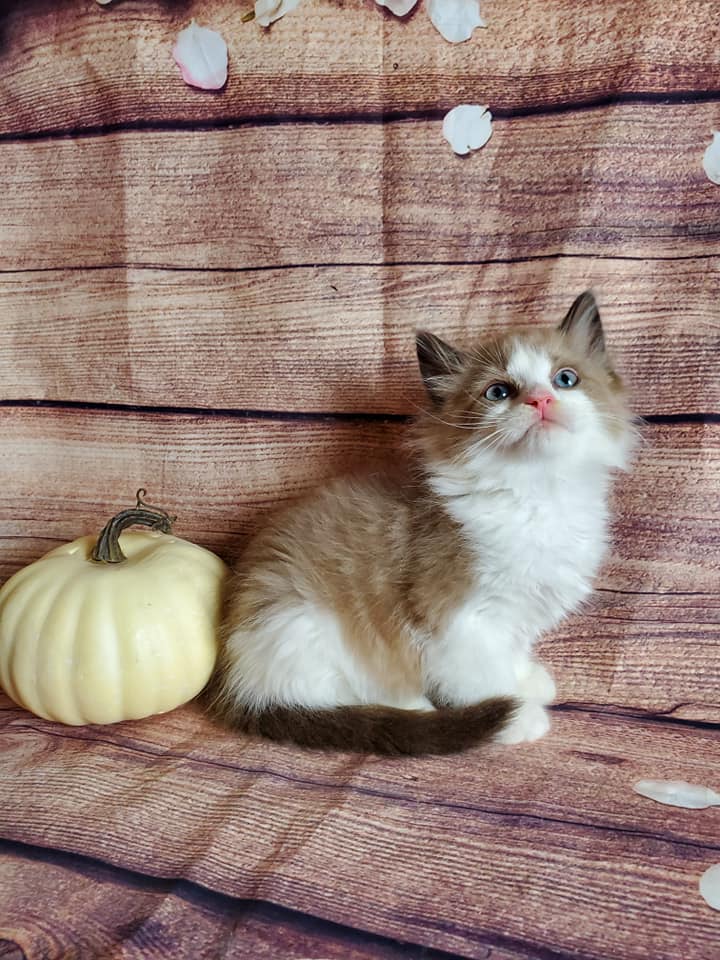
Show-Quality And Pet-Quality Ragdoll Adoption
Ragdoll kittens are known for their gentle personalities, striking blue eyes, soft coats, and tendency to relax when carried. For families considering adoption, the choice between a show-quality kitten and a pet-quality kitten often comes down to expectations, budget, and long-term plans rather than affection or companionship.
The terms describe how closely a kitten conforms to the breed standard. They do not determine whether a kitten will be loving, healthy, intelligent, or suitable for family life. A pet-quality Ragdoll can be every bit as charming and devoted as a kitten selected for the show ring.
Understanding the differences helps prospective owners make a confident decision. A small, TICA-registered hobby cattery such as Ragdoll Kittens Cattery can also explain each kitten’s traits, health background, color, markings, and placement options.
What Show And Pet Quality Mean
A show-quality Ragdoll generally has features that closely match the written breed standard. These may include balanced proportions, appropriate head shape, strong boning, correct eye color, and clearly defined colorpoint markings. Even within this category, kittens develop at different rates, so breeders assess structure and potential carefully.
Pet-quality does not mean inferior. A kitten may receive that designation because of a minor marking variation, a less ideal profile, a mismatched patch of white, or another detail that would matter in a competition but have little importance in a home. These kittens are typically placed as loving companions, and some may become excellent therapy cats.
Appearance, Markings, And Future Plans
Families drawn to classic Ragdoll coloring may appreciate the predictability and breed-standard appearance of a show prospect. Seal, blue, chocolate, lilac, flame, and tortie varieties can all be beautiful, while mitted, colorpoint, and bicolor patterns create different visual effects. A show-quality kitten may be appealing to someone who wants to participate in exhibitions or preserve particular traits through an ethical breeding program.
A pet-quality Ragdoll may have a small deviation from ideal markings while still displaying the breed’s signature softness and expression. If the goal is a companion, emotional-support animal, or therapy cat, personality and confidence should receive at least as much attention as coat pattern. Daily handling in a family environment can support the social development that makes a kitten comfortable around people.
Health And Temperament Matter Most
Quality classifications should never replace health evaluation. Responsible breeders screen their breeding cats and share appropriate records with adopters. Ragdoll Kittens Cattery emphasizes testing related to hypertrophic cardiomyopathy, FIV, FeLV, and feline heartworm disease, helping families make decisions with clearer information.
Both show and pet-quality kittens should receive appropriate veterinary care, vaccinations, parasite prevention, and socialization. A prospective owner should also ask about the parents’ health history, genetic testing, veterinary examinations, contract terms, and any guarantees. Learning how to find a reputable breeder can help families avoid misleading labels and focus on responsible placement.
Cost, Commitment, And Lifestyle
Show prospects usually cost more because breeders invest in careful selection, pedigree documentation, evaluation, and sometimes preparation for exhibition. If the kitten is intended for breeding, additional expenses may include health testing, registration, specialized care, and a suitable breeding program. These responsibilities require time and a strong commitment to feline welfare.
Pet-quality adoption is often more accessible financially, although the total cost of responsible ownership remains significant. Food, litter, insurance or emergency savings, routine veterinary visits, grooming supplies, enrichment, and transportation all add to the lifetime budget. Ragdolls are social cats, so families should also plan for companionship and daily interaction.
Comparing The Two Adoption Paths
The right choice depends on what the household hopes to do with the cat. Someone interested in conformation shows will need a kitten with strong potential and should understand that no breeder can guarantee future titles. Someone seeking a calm family companion may find that a pet-quality kitten offers the same affectionate bond without paying for features they will never use.
| Consideration | Show-Quality Ragdoll | Pet-Quality Ragdoll |
|---|---|---|
| Primary purpose | Shows, possible breeding, or exceptional breed-standard traits | Family companionship or therapy work |
| Appearance | Closely matches the breed standard | May have minor cosmetic deviations |
| Personality | Can be affectionate and social | Can be equally affectionate and social |
| Typical cost | Often higher | Often more moderate |
| Best for | Experienced exhibitors or breed enthusiasts | Families and companion-cat adopters |
| Health expectations | Should meet the same responsible health standards | Should meet the same responsible health standards |
Neither category guarantees a particular temperament. Early socialization, genetics, household environment, and ongoing care all influence how a Ragdoll matures. A conversation with the breeder can reveal which kitten is most comfortable with children, visitors, gentle handling, or a quieter home.
Questions To Ask Before Adoption
Before reserving a kitten, prospective owners should review the adoption agreement and ask for clear explanations of registration, spay or neuter requirements, vaccination timing, health records, and the breeder’s return policy. They should also learn whether the kitten is sold with limited registration and whether breeding rights are excluded.
A careful discussion can make the difference between choosing a kitten for its label and choosing one that fits the household. Consider asking:
- Which traits make this kitten show-quality or pet-quality?
- What health screening was completed for the parents and kitten?
- How has the kitten been socialized with people and household activity?
- What food, litter, grooming routine, and veterinary schedule are recommended?
- What support is available after the kitten goes home?
Choosing With Confidence
The decision between a show-quality vs. pet-quality Ragdoll should reflect purpose, resources, and personal priorities. A show prospect may be the right fit for an enthusiast who values breed-standard evaluation, while a pet-quality kitten may be ideal for a family wanting a gentle, beautiful companion. In both cases, ethical breeding practices and health transparency deserve careful attention.
At Ragdoll Kittens Cattery in Helena, Montana, kittens are raised indoors in a cage-free family setting and handled daily. Contact the cattery to learn about available litters, colors, markings, health information, and the adoption process, then choose the Ragdoll whose needs and personality best match your home.