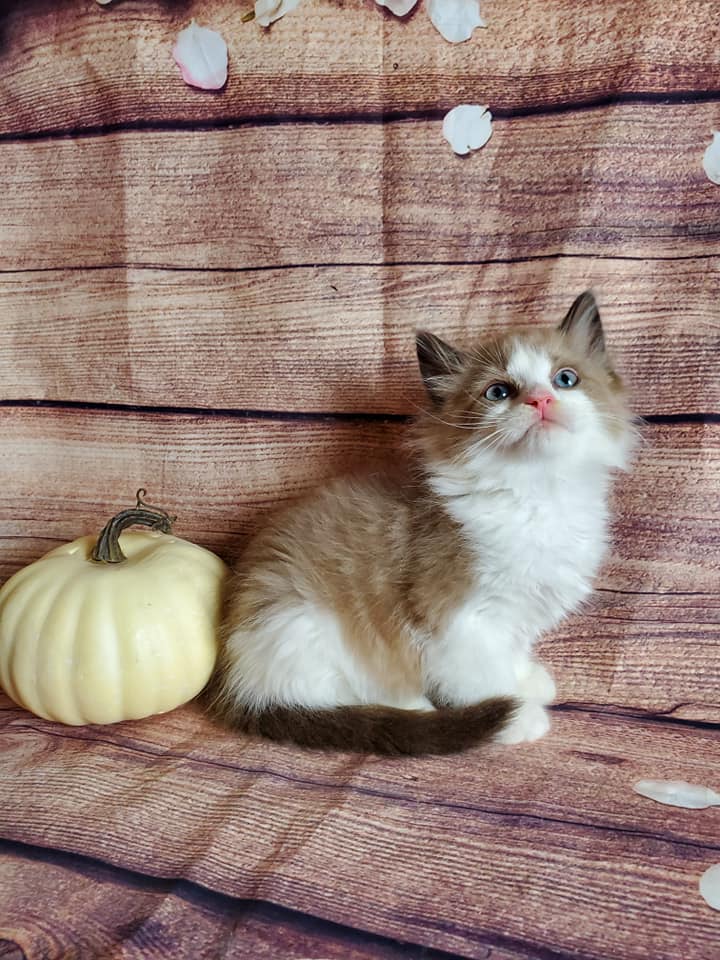
Should You Adopt One Ragdoll or Two? Weighing the Options
Few breeds match the Ragdoll when it comes to affectionate companionship. With their soft blue eyes, semi-long coats, and famously relaxed temperament, these cats have earned a devoted following across Australia, from the inner-city apartments of Sydney to the heritage terraces of Adelaide. New owners are quickly confronted with a practical question that goes beyond colour or pattern: is one kitten enough, or is a pair the wiser choice?
The decision touches on the breed's deeper nature. Ragdolls are people-oriented without being clingy, and they often mirror the rhythms of their household with remarkable sensitivity. They thrive on gentle interaction but can also entertain themselves when needed. This balance is part of why understanding the Ragdoll cat breed profile matters before deciding on numbers.
Australian living conditions add another layer. In Brisbane's subtropical humidity or during a chilly Melbourne winter, indoor lifestyles are the norm, and many renters discover that their feline friend becomes a constant presence. The climate also means most cats spend the majority of their lives indoors, making companionship a more pressing concern than it might be in cooler regions overseas.
Veterinarians and behavioural specialists often observe that the bond between owner and cat deepens when households are stable, predictable, and matched to the cat's needs. With this in mind, the choice between a single kitten and a pair is really about lifestyle alignment rather than simple preference.
The Social Side of the Ragdoll
Ragdolls earned their reputation as "puppy cats" partly because of how much they enjoy company. They follow family members from room to room, greet guests at the door, and frequently seek out laps for an evening settle. In a quiet household where someone is usually home, a single cat can receive all the interaction it craves.
The breed's laid-back confidence also means they rarely display the territorial aggression seen in some other pedigreed lines. They tend to accept new faces, adapt to gentle children, and tolerate other animals when introductions are handled patiently. This adaptability is one reason Ragdolls work well as therapy companions for older Australians living on their own.
However, this easygoing nature should not be mistaken for low social needs. A Ragdoll left alone for long stretches may become withdrawn or restless, particularly during the energetic adolescent phase between four and twelve months. Even the most affectionate human cannot fully replicate the play dynamics of another cat.
When One Ragdoll Makes Sense
A single kitten can be an excellent match for owners with ample time, flexible schedules, and an established routine. Retirees who travel infrequently, couples working from home in Perth or Canberra, and individuals who spend evenings relaxing with their cat often find that one feline family member is plenty.
Singles also tend to bond intensely with their primary caregiver. Many Australian owners describe their solo Ragdoll as a shadow that anticipates their movements and offers quiet company during remote work sessions. Without competition for toys, beds, or lap space, the relationship can feel uniquely deep.
There are practical advantages too. A single cat means lower food bills, one set of vaccinations, and a simpler litter routine. In apartments with strict strata rules regarding pet limits, one cat is often the maximum allowed without a formal application process with the owners' corporation.
Why a Pair Often Works Better
Two kittens raised together from a young age provide each other with constant companionship, particularly during the working hours that many Sydneysiders and Melburnians experience. They wrestle, chase, groom, and nap together, mirroring behaviours that would otherwise be directed at furniture or shoes.
Behavioural research consistently suggests that bonded pairs experience fewer stress-related issues, especially in homes where one cat might otherwise become anxious without a feline outlet. Many experienced breeders recommend pairs for families with busy schedules, knowing that two kittens settle more confidently than a solo cat left to wonder where everyone has gone.
Adopting two also offers reassurance during travel. Australians increasingly book pet-friendly accommodation or use in-home sitters, but having a bonded pair can ease the disruption of boarding. They keep each other calm in unfamiliar surroundings and return home more settled.
Practical Realities in Australian Homes
Pet ownership in Australia comes with specific considerations that influence this decision. Many rental properties, particularly in Darwin and parts of Brisbane, limit the number of animals permitted, sometimes to one per dwelling. Checking the lease and any strata by-laws before adopting a second cat can prevent heartbreak later.
Climate plays a quiet but important role. Indoor cats across the country need enrichment to compensate for the lack of outdoor roaming, and a pair can provide much of that stimulation naturally. Window perches, vertical climbing spaces, and interactive toys help, but they rarely replace the unpredictability of feline play.
Microchipping and registration are mandatory in every state and territory, with councils in places like the ACT requiring lifetime registration and proof of desexing. Vet costs, desexing, and annual vaccinations double with two cats, so budgeting realistically is essential. Pet insurance premiums in Australia also tend to be higher for multiple pets, though multi-pet discounts are sometimes available through Australian providers.
Choosing What Fits Your Household
- Match the decision to your daily schedule and the hours your home is empty
- Review your lease, strata rules, and council pet limits before committing
- Budget for double the food, litter, vet visits, and insurance when adopting two
- Plan for vertical space, scratching posts, and quiet retreats if you choose a pair
- Ask your breeder about temperament matching when adopting two kittens
For most Australian households, the kinder choice is whichever option best supports steady companionship, steady finances, and a calm indoor environment. A thoughtful decision made before bringing a kitten home sets the foundation for many years of warm purring on the couch, regardless of whether that purr belongs to one cat or two.