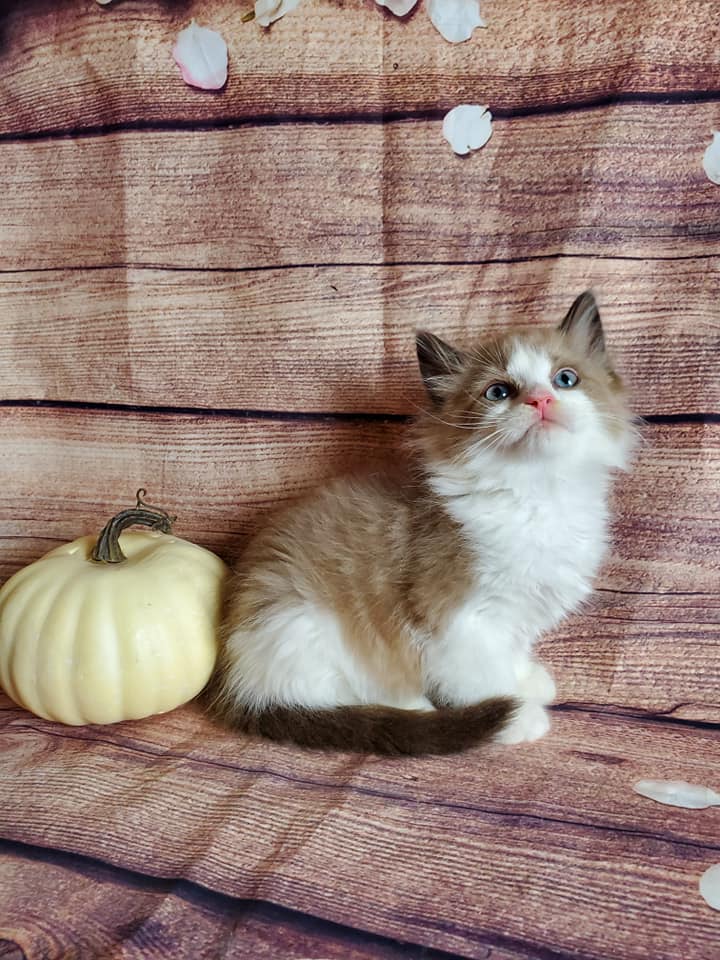
Early Microchipping for Ragdoll Kittens: A Balanced Look
Microchipping is one of those small steps that can pay off hugely if a kitten ever slips out a door or finds a gap in a fence. For owners of purebred cats, particularly those who have paid for a health-tested Ragdoll, the decision carries extra weight. Adding a microchip before a kitten heads home is a straightforward safeguard, but doing it during the first few weeks of life is a separate question altogether.
In Australia, where councils in cities like Melbourne, Sydney, and Brisbane require companion cats to be identified and registered before they reach four months of age, timing matters. Many local veterinarians combine chip implantation with the first feline core vaccination, usually scheduled between eight and nine weeks. That overlap makes early microchipping a practical habit rather than a separate trip.
There is no universal right answer for every litter, because health, regulation, and even temperament shape the choice. Understanding what microchipping actually does, when it is most comfortable, and what Australian owners are required to do makes the rest clearer.
What an Early Microchip Actually Does
A microchip is a passive RFID transponder the size of a grain of rice. It carries only a unique identification number that connects to a national registry, in Australia typically the Australasian Animal Registry or a state-specific database. The chip has no battery and no moving parts, so it simply waits for a scanner to energise it.
Because the device is inert until scanned, it cannot track a kitten in real time. Its only job is permanent identification that survives collar loss or a worst-case scenario where a cat ends up at a shelter. This is why the Ragdoll cat breed information on responsible breeder sites always lists microchipping as part of the rehoming package.
For a kitten raised indoors and handled daily, the window for this tiny implant is narrow. Vets generally suggest waiting until the kitten weighs at least one kilogram, which usually happens between six and eight weeks of age.
Comparing Early and Delayed Microchipping
The following table summarises the most relevant trade-offs. It is meant as a quick reference, and your own vet can tailor it to your kitten's growth.
| Factor | Early microchipping (6–9 weeks) | Delayed microchipping (after 12 weeks) |
|---|---|---|
| Council compliance in Australia | Often completed before registration deadline | May require a rushed late appointment |
| Stress at the vet | One calmer visit, sedation rarely needed | Multiple vet trips in a short window |
| Risk of migration under the skin | Slightly higher in very young kittens | Negligible in larger, more settled kittens |
| Compatibility with desexing | Commonly done before desexing | Often combined with the desexing anaesthetic |
| Recovery observation | No anaesthetic, quick return to routine | Monitored after general anaesthetic |
Both timings are widely accepted across Australian veterinary clinics, so the choice usually comes down to the kitten's size, the cattery's schedule, and the family's upcoming calendar.
The Case for Getting It Done Soon
Compliance is the most obvious reason to microchip early. Australian local councils, including those in the ACT and parts of metropolitan Adelaide, treat cats as legally required to be microchipped before a certain age. Doing it during an early-life check removes the deadline from the family calendar entirely.
Logistically, many new owners take their kitten home between twelve and sixteen weeks of age, just after the second vaccination. If the chip is already in place, registration, flights, transport, and cattery stays become simpler later on. Both the RSPCA Australia and most welfare organisations endorse early microchipping as part of responsible companion-animal ownership.
There is also the practical consideration of what doesn't happen. Kittens handled daily by a TICA-registered breeder rarely flinch at a brief subcutaneous injection, and the procedure is similar to a vaccination in duration. Without an anaesthetic to recover from, the kitten can curl up on a warm lap minutes later and forget the whole experience.
Honest Drawbacks Worth Knowing
The risks are minor but worth noting. The most reported complication is microchip migration, where the device slides from the shoulder blades to a less ideal spot. It still scans, but a vet or shelter officer may need to search a wider area to find it.
Tissue irritation at the injection site occasionally appears in kittens with sensitive skin, though it usually resolves within a day or two. Very small kittens may not be eligible for chipping on the day, forcing a return visit. None of these drawbacks are severe, but responsible owners should know they exist before booking.
The Australian Regulatory Picture
Australian pet culture leans heavily toward identification and registration, particularly in cities with dense populations and busy wildlife corridors. Brisbane City Council requires cats to be both microchipped and registered from three months of age, and Hobart and Darwin councils follow comparable rules. Melbourne's inner-city apartments are well-served by vets who bundle microchipping with first vaccinations as standard.
Once implanted, the chip must be registered on a recognised database such as the Australasian Animal Registry, with contact details kept current. New owners should confirm the transfer of ownership at the time of rehoming, otherwise the chip will still lead back to the breeder. Combined with the country's strong stance on desexing, microchipping fits neatly into the broader framework of responsible cat ownership Australian families already accept.
Working With Your Breeder and Vet Together
Communication between the cattery, the new owner, and the chosen vet makes the whole process smoother. A reputable breeder hands over the kitten with a clear vaccination record and either an already-placed microchip or a scheduled appointment for one. The new owner should then contact a local vet within days of bringing the kitten home, share the paperwork, and confirm microchip registration details.
If the kitten has not yet been chipped and weighs enough, the first vet visit can handle it on the spot. If the kitten is very small or has had a stressful transport, the vet may suggest waiting a week and combining the chip with a vaccination booster. Either path keeps the kitten within Australian regulations and within the comfort zone of a young animal still adjusting to a new family.
The most useful thing to remember is this: microchipping is a small act with a long-term return, and timing it to your kitten's health and your state's rules makes it nearly effortless.