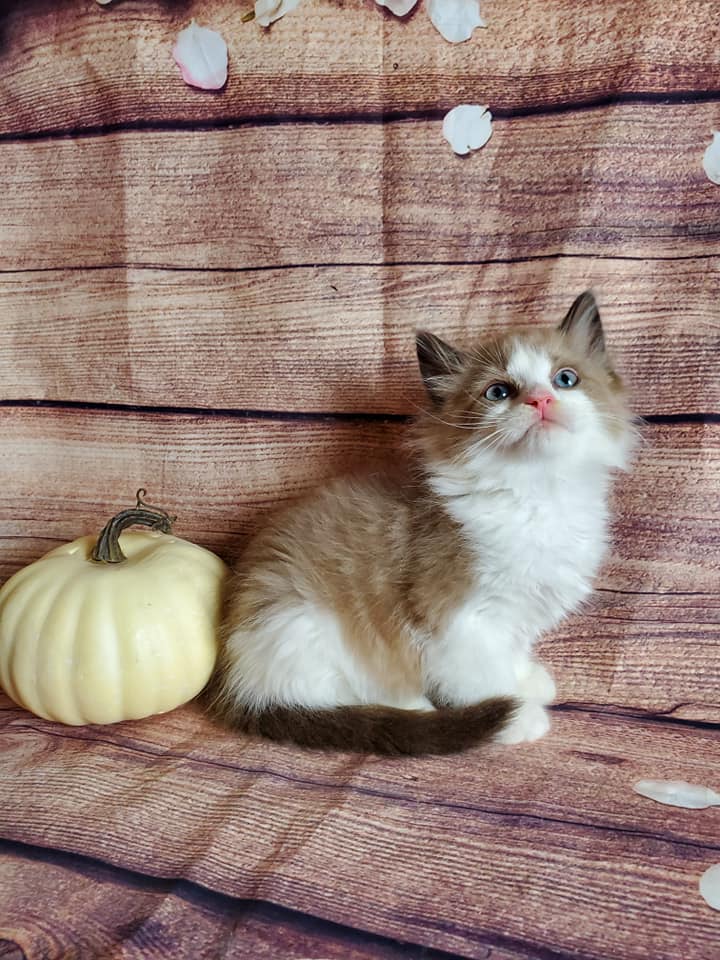
Finding the Right Ragdoll Kitten in Helena
Adopting a Ragdoll kitten is a thoughtful process built around trust, preparation, and the right match between a kitten and a family. At Ragdoll Kittens Cattery in Helena, Montana, each placement is approached with the kitten’s health, temperament, and long-term well-being in mind.
As a small, TICA-registered hobby cattery, we raise purebred Ragdoll kittens indoors in a cage-free family setting. Daily handling helps kittens become comfortable with people, household activity, gentle attention, and the routines that make a transition to a new home easier.
Families also receive guidance about the breed, kitten care, colors, markings, and what to expect after adoption. The process is designed for people seeking a loving companion or, in some cases, a potential therapy cat.
What Families Can Expect
The adoption journey begins with communication rather than a quick purchase. Families can learn about available litters, expected timing, Ragdoll characteristics, and the responsibilities involved in raising a kitten. This conversation helps ensure that expectations are realistic from the beginning.
Ragdolls are known for their affectionate nature, soft coats, and relaxed personalities, but every kitten is an individual. Reviewing Ragdoll breed traits can help prospective owners understand grooming, development, activity levels, and the companionship this breed typically offers.
Because kittens are raised in a family environment, their early experiences include regular human contact. This setting supports social development while allowing each kitten’s personality to emerge naturally.
Beginning the Adoption Conversation
Families interested in a kitten should reach out with information about their household, location, experience with cats, and the type of companion they hope to welcome. Details such as other pets, children, work schedules, and the amount of daily interaction available can help guide the conversation.
The cattery can then explain current or upcoming availability and discuss whether a pet-quality kitten or a kitten with therapy potential may be a suitable fit. Availability is limited, so timing can vary depending on litters and the kitten’s stage of development.
A conversation also gives families the opportunity to ask practical questions. Topics may include feeding, litter habits, grooming, veterinary care, travel arrangements, and the transition period after the kitten arrives.
Health, Socialization, And Development
Responsible Ragdoll adoption includes attention to preventive health. The cattery emphasizes screening for HCM, FIV, FeLV, and feline heartworm disease. These health considerations are important when choosing a breeder and planning ongoing veterinary care.
Kittens are raised indoors and handled daily in a cage-free environment. Regular, gentle interaction can help them become familiar with being held, touched, and included in normal household life. Socialization is a gradual process, so families should continue using calm routines after bringing a kitten home.
Ragdolls develop at their own pace, and their color and markings may continue to change as they mature. Families can receive information about coat patterns, point colors, grooming needs, and the physical traits that make the breed distinctive.
Choosing A Kitten And Preparing For Arrival
When a litter is available, families can discuss each kitten’s personality, appearance, and development. A kitten’s color or markings may attract attention, but temperament and lifestyle compatibility deserve equal consideration.
Before pickup or delivery arrangements are made, the household should be ready with food, water and litter supplies, a secure carrier, scratching surfaces, toys, and a quiet space. Preparing in advance helps reduce stress during the first days.
| Adoption Stage | Cattery Focus | Family Role |
|---|---|---|
| Initial inquiry | Learn about the household and explain availability | Share lifestyle details and ask questions |
| Kitten matching | Discuss personality, color, markings, and needs | Consider long-term compatibility |
| Health preparation | Provide health information and care guidance | Arrange a trusted veterinary relationship |
| Homecoming | Support a calm transition | Prepare supplies and a safe settling area |
| Ongoing adjustment | Remain available for appropriate guidance | Continue socialization and routine care |
Creating A Good Home Match
A Ragdoll kitten often thrives with consistent companionship and gentle interaction. Families should consider whether someone will be available for daily play, affection, grooming, and observation. A calm home can be especially beneficial during the first week.
The best match is based on the whole household, not appearance alone. A family looking for a therapy companion may have different priorities from someone seeking a relaxed lap cat or a playful friend for another pet.
Before adoption, consider these practical recommendations:
- Set up a quiet room or protected area for the kitten’s first days.
- Choose a veterinarian and schedule an initial wellness visit.
- Use the food and litter routine recommended during the transition.
- Plan supervised introductions with children and other animals.
- Set aside daily time for gentle handling, play, and bonding.
Clear communication helps prevent surprises. Families should be comfortable discussing their expectations and should understand that a young kitten needs patience while adapting to unfamiliar rooms, sounds, people, and routines.
Bringing Your Kitten Home
The first trip home should be calm and secure. A well-ventilated carrier with a soft blanket is safer than carrying a kitten in someone’s arms, especially during travel. Once home, allow the kitten to explore gradually rather than providing immediate access to the entire house.
Some kittens settle quickly, while others need extra time. Maintaining familiar feeding, litter, sleep, and handling routines can provide reassurance. Gentle attention is helpful, but rest is equally important during this major change.
Families adopting from our Helena, Montana cattery can use the information provided during the adoption process as a foundation for ongoing care. With regular veterinary visits, appropriate nutrition, grooming, play, and affection, a Ragdoll kitten can become a deeply valued member of the household.
To begin the process, contact Ragdoll Kittens Cattery with details about your family and the kind of companion you hope to welcome. A conversation about availability, health, temperament, and timing is the first step toward bringing home a well-socialized Ragdoll kitten.