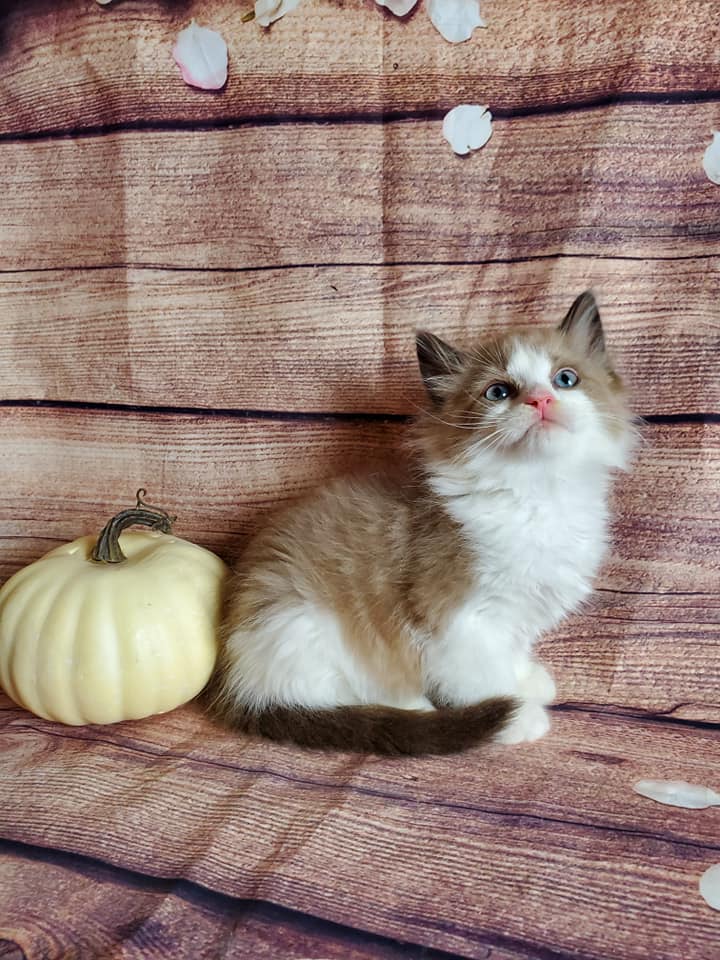
The Ragdoll Kitten Weaning Process: From Milk to Solid Food
Weaning is a gradual change from nursing or milk replacer to balanced kitten food. For a Ragdoll kitten, this transition supports steady growth, healthy digestion, and the development of confident eating habits. Rushing the process can cause stomach upset, food refusal, or unnecessary stress.
Most kittens begin showing interest in solid food between four and five weeks of age, although each kitten develops at an individual pace. A responsible breeder watches behavior, weight, hydration, and stool quality rather than relying on age alone.
At Ragdoll Kittens Cattery in Helena, Montana, kittens are raised indoors in a family environment and handled daily. This gentle routine helps them become comfortable with new textures, feeding areas, and the human care they will receive after adoption.
Why Weaning Needs To Be Gradual
Mother’s milk provides important calories and immune support during the first weeks of life. As the kitten grows, however, milk alone no longer supplies enough energy and nutrients for developing muscles, bones, and organs. Solid kitten food gradually fills that nutritional gap.
The first meals should be soft, moist, and easy to lap. A shallow dish works better than a deep bowl, and a quiet feeding area helps the kitten focus. The mother cat may continue nursing during early weaning, which is normal and beneficial when she is comfortable.
Weaning is also a learning experience. Kittens copy their mother and littermates, investigate new smells, and practice chewing. Calm encouragement is more effective than forcing food into a kitten’s mouth.
Recognizing Readiness For Solid Food
A kitten may be ready to begin tasting food when it can stand and walk steadily, shows interest in the mother’s meals, and begins licking food from a finger or dish. Stronger coordination is important because the kitten must lap safely and move away from the bowl when finished.
A healthy kitten should continue gaining weight during weaning. Weighing the kitten regularly on a kitchen scale can reveal changes before they become visible. Record the weight at the same time each day, using a clean container or towel for safety.
Start with a small amount of complete wet kitten food mixed with warm water or approved kitten milk replacer. For families preparing for a dietary change after adoption, this food transition guide explains why gradual changes can protect a kitten’s digestion.
A Gentle Feeding Progression
The timeline below is a general guide. Some Ragdoll kittens move more slowly, especially if they are smaller, timid, or still strongly attached to nursing. A veterinarian or experienced breeder can help adjust portions and timing.
| Approximate age | Main food experience | Helpful approach |
|---|---|---|
| 3–4 weeks | Mother’s milk or kitten formula | Offer a tiny taste of smooth food without reducing nursing |
| 4–5 weeks | Soft gruel and nursing | Use wet kitten food blended with warm water or milk replacer |
| 5–6 weeks | Thicker wet food | Reduce liquid gradually and provide several small meals |
| 6–8 weeks | Wet food with some softened kibble | Encourage independent eating while monitoring weight and stools |
| 8 weeks and beyond | Complete kitten diet | Maintain a consistent food routine and fresh water |
At each stage, remove uneaten food after a short period, especially when it contains moisture. Fresh portions reduce bacterial growth and keep the feeding area pleasant. Kittens should always have access to clean water once they are eating regular food.
Making New Meals Safe And Appealing
Choose food labeled as complete and balanced for kittens, with appropriate animal-based protein and essential nutrients. Ragdolls have no special requirement for an exotic diet, but they do benefit from consistent, high-quality nutrition suited to growth. A veterinarian can recommend products based on health, size, and activity.
Serve food close to body temperature rather than very cold from the refrigerator. Warmth increases the aroma and resembles the temperature of nursing. If a kitten walks through the dish, gently clean its paws and face with a warm, damp cloth to prevent dried food from irritating the skin.
Avoid cow’s milk, seasoned table food, raw diets introduced without professional guidance, and sudden brand changes. These choices may lead to diarrhea or nutritional imbalance. When changing foods, blend the old and new diets over several days after the kitten is fully settled.
Practical Weaning Recommendations
Careful observation makes the transition smoother for the kitten and the people responsible for its care. Keep meals predictable, offer small servings, and allow the kitten to stop eating when satisfied.
- Provide three to four small meals rather than one large serving.
- Use low-sided ceramic or stainless-steel dishes that are easy to clean.
- Track body weight, appetite, energy, and stool consistency.
- Keep nursing available during early weaning when the mother and litter are together.
- Contact a veterinarian promptly for repeated vomiting, watery diarrhea, weakness, dehydration, or weight loss.
A kitten that refuses one meal may simply be distracted or cautious, but persistent refusal deserves attention. Poor appetite can result from stress, parasites, infection, mouth discomfort, or an unsuitable food texture, so professional assessment is safer than repeated diet experimentation.
Supporting A Healthy Start
Good weaning is part of a broader health program. Ragdoll Kittens Cattery emphasizes screening and preventive care, including testing related to HCM, FIV, FeLV, and feline heartworm disease. Health records, vaccination guidance, parasite prevention, and feeding instructions should travel with every kitten going to a new home.
Families should continue the breeder’s established food and schedule at first. Once the kitten is relaxed and eating reliably, any desired change can happen slowly. Keeping the same routine for the first days after adoption can reduce stress while the kitten learns new surroundings.
Begin your kitten’s transition with patience, complete nutrition, and professional guidance. Contact Ragdoll Kittens Cattery to learn about available Ragdoll kittens, their care routines, and the steps for welcoming a healthy, well-socialized companion into your home.