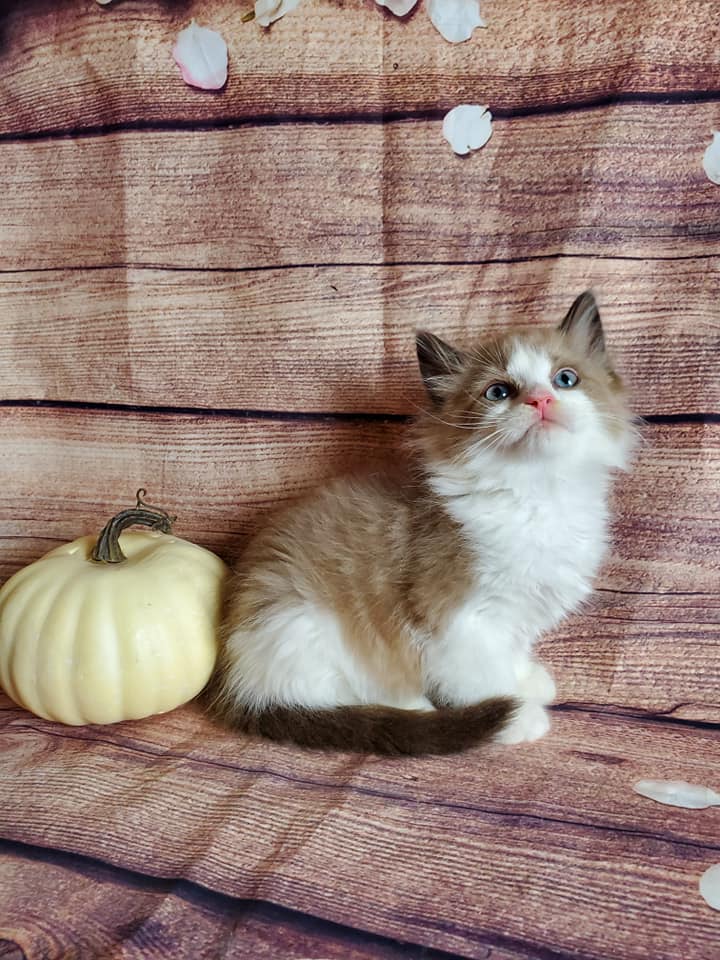
The Ragdoll’s Love Of Water: Fact Or Fiction?
Ragdolls are often described as unusually interested in water. Some enjoy watching a running faucet, dipping a paw into a shallow dish, or following their people into the bathroom. Others avoid getting wet just as enthusiastically as any other cat. The truth is somewhere between a charming breed reputation and individual personality.
These cats are known for their gentle temperaments, social nature, and willingness to stay close to their families. Those qualities can make water-related curiosity more noticeable, especially when a Ragdoll calmly investigates household activity instead of hiding from it.
A Ragdoll kitten raised indoors in a family setting may encounter sinks, baths, fountains, and supervised grooming early in life. Positive handling can build confidence, but it does not guarantee that every cat will become a swimmer or enjoy a bath.
Why Ragdolls Seem Drawn To Water
The breed’s relaxed, people-oriented personality is one reason water interest is frequently reported. A confident Ragdoll may investigate whatever captures its owner’s attention, including a dripping tap or a filled bathtub. Curiosity and companionship can look like a special fascination with water.
Their semi-long, silky coat also adds to the impression. When a Ragdoll’s fur becomes damp, it may feel substantial and cool, creating a memorable visual experience. A cat that briefly pats water or watches droplets fall can quickly earn a reputation for loving every form of it.
Still, breed tendencies are not guarantees. One Ragdoll may sit beside a shower, while another may retreat from a single splash. Age, early experiences, household routine, and individual temperament all influence how a cat responds.
Breed Traits Behind The Reputation
Ragdolls are generally steady, affectionate cats that often prefer staying near people. Their calm behavior can make them more willing to inspect unfamiliar experiences rather than reacting immediately with fear. A kitten that sees its family treating water as ordinary may approach it with measured curiosity.
Early socialization also matters. Kittens handled gently and exposed to normal household sounds can become more adaptable. At a small, cage-free cattery, daily interaction may include calm touch, play, grooming, and exposure to family routines, helping kittens develop confidence without forcing them into stressful situations.
This does not mean socialization should involve dunking, spraying, or repeated bathing. Trust grows when a kitten can approach, pause, and leave. Respecting those choices is especially important with a sensitive experience such as wet fur or slippery surfaces.
Curiosity Versus Genuine Enjoyment
A cat may be interested in water without wanting its whole body submerged. Watching a faucet, touching a stream, or drinking from a fountain involves control and choice. A bath removes much of that control, so a water-curious Ragdoll may still resist it.
The difference can be seen in body language. Soft eyes, a relaxed tail, forward ears, and voluntary approach suggest interest. Flattened ears, a tucked tail, frantic scrambling, growling, or persistent avoidance signal discomfort. These cues should guide every interaction.
| Water behavior | What it may indicate | Appropriate response |
|---|---|---|
| Watching a dripping faucet | Visual curiosity | Allow observation from a dry, secure spot |
| Tapping a shallow dish | Exploration or play | Keep the water level low and supervise |
| Drinking from a fountain | Preference for moving, fresh water | Clean the fountain regularly |
| Stepping into a damp area | Confidence or investigation | Dry the surface and prevent slipping |
| Resisting a bath | Normal dislike of restraint or wet fur | Avoid forcing the experience |
| Enjoying gentle rinsing | Individual tolerance | Use warm water, secure footing, and a calm pace |
Safe Ways To Explore Water
If a kitten shows interest, begin with controlled opportunities. A wide, shallow dish on a non-slip mat is safer than a deep container. A few floating toys can encourage investigation, but the kitten should always be able to walk away easily.
Running water should never be left unattended around a young cat. Bathtubs, toilets, buckets, and full sinks create drowning and slipping hazards. Keep electrical appliances away from splashes, and avoid high-pressure sprays that can frighten or injure a kitten’s eyes, ears, or skin.
Never hold a cat under water or use water as punishment. Fear can quickly replace curiosity, making future grooming and veterinary handling more difficult. Gentle praise, a dry towel nearby, and short sessions help preserve a sense of security.
Grooming, Health, And Household Safety
Ragdolls have a plush coat that benefits from regular brushing. Routine grooming reduces loose hair and helps owners notice mats, skin irritation, parasites, or unusual changes. Bathing is usually an occasional care task rather than a routine requirement, unless a veterinarian recommends it.
When a bath is necessary, prepare everything first: a warm room, a stable non-slip surface, lukewarm water, cat-safe shampoo, and absorbent towels. Avoid the face and ears, rinse thoroughly, and dry the coat gently. A wet Ragdoll should remain warm until completely dry, since damp fur can chill the cat.
Health screening is another part of responsible kitten care. A reputable breeder should discuss testing and veterinary records, including screening relevant to hypertrophic cardiomyopathy, FIV, FeLV, and feline heartworm disease. Water preferences are entertaining, but sound health and calm handling matter far more.
Choosing A Confident Family Companion
When considering a Ragdoll kitten, ask how the kittens are raised, handled, and introduced to everyday household experiences. A TICA-registered hobby cattery that raises kittens indoors in a family environment can explain its socialization methods, health protocols, vaccination schedule, and placement standards.
Prospective owners should also learn whether a kitten is suited to a busy household, quiet home, or therapy role. A kitten’s response to water may provide a small glimpse of temperament, but it should never be treated as a test of breed quality or emotional stability.
Families interested in available kittens can contact the cattery to discuss adoption, health information, and whether a loving pet or therapy companion may be a suitable match.
Gentle Habits For Water-Curious Cats
A few simple practices can make water exploration safe and positive:
- Offer fresh drinking water in clean, stable bowls placed away from litter boxes.
- Use a shallow dish or pet fountain if the cat enjoys watching moving water.
- Supervise all play near sinks, tubs, buckets, and toilets.
- Keep towels and a non-slip mat ready before any necessary bath.
- Stop immediately when the cat shows fear, fatigue, or persistent resistance.
The best approach is observation rather than expectation. Some Ragdolls will happily investigate a trickle, while others will show their affection by remaining comfortably dry beside you. Both responses are normal.
A Ragdoll’s water fascination is therefore partly fact and partly fiction: the breed may be curious, confident, and socially motivated, but no cat is obligated to enjoy bathing or swimming. With patient handling, secure surroundings, and informed care, owners can let each kitten develop its own relationship with water. Reach out to a trusted cattery to begin finding a healthy, well-socialized Ragdoll whose personality fits your home.