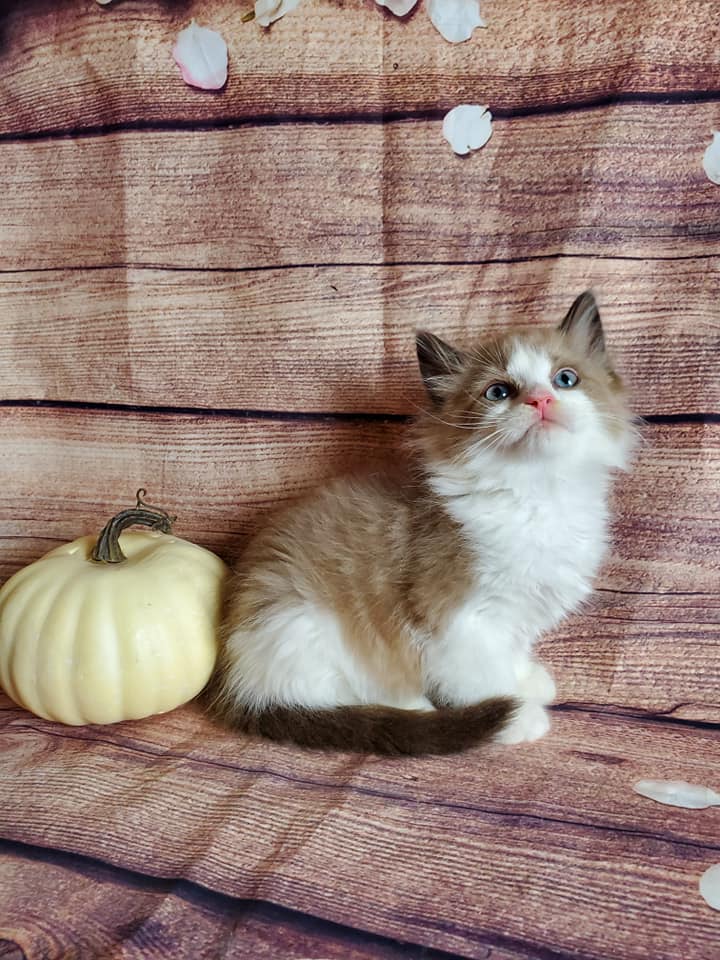
The Ragdoll’s Play-Fighting Style: What’s Normal and What’s Not
Ragdoll kittens are known for their gentle, people-oriented nature, but a calm personality does not mean they never wrestle, chase, or pounce. Play-fighting is a normal part of kitten development and helps young cats practice coordination, communication, and bite control.
A healthy play session can look surprisingly dramatic. Kittens may tumble together, grab with their front paws, kick gently with their back feet, or take turns chasing across the room. The key is to look at the entire interaction rather than judging a single hiss, swat, or playful bite.
At Ragdoll Kittens Cattery, kittens are raised indoors in a cage-free family environment and handled daily. This regular socialization helps them learn appropriate interaction with people and other cats before joining their new families.
Why Kittens Wrestle And Chase
Play-fighting is a form of learning. A kitten develops balance, timing, stalking skills, and self-control by batting at a sibling or pouncing on a toy. These interactions also teach social boundaries: if a bite is too hard or a pounce is unwelcome, the other kitten usually moves away, vocalizes briefly, or ends the game.
Ragdolls often combine energetic bursts with relaxed behavior. A kitten may race after a toy, wrestle with a companion, and then settle beside a person for a nap. Their size and soft, loose coat can make ordinary wrestling look intense, especially when two kittens roll together in a fluffy bundle.
Signs Of Healthy Play
Normal kitten play is usually reciprocal. Both cats participate, take turns chasing, and return to the interaction after a short pause. Their bodies may be loose rather than rigid, and their ears are often forward or only slightly turned to the side. Short chirps, trills, or quiet squeaks can accompany the action.
Healthy play generally ends without lasting fear. Afterward, the kittens may groom themselves, eat, sleep, or calmly explore the same room. Even if one kitten briefly runs away, it should be able to return to normal activities without hiding for a long period.
Watch for controlled physical contact. Gentle mouthing, light pawing, and a brief bunny-kick motion can be part of play, but the kittens should not regularly injure each other or leave one companion unable to escape.
When Play Becomes A Real Conflict
A conflict tends to involve tension instead of relaxed movement. Warning signs can include a stiff posture, flattened ears, a puffed tail, prolonged growling, repeated screaming, or one cat persistently cornering another. A cat that is trying to flee, hide, or remain motionless is communicating that the interaction is no longer enjoyable.
Real aggression may also be one-sided. If one kitten continually pursues while the other cannot disengage, intervene calmly. Do not punish, yell, or place your hands between fighting cats. Use a toy, cushion, or piece of cardboard to create distance, then allow both animals time to settle.
| Behavior | Usually Normal Play | May Need Intervention |
|---|---|---|
| Chasing | Both kittens take turns | One kitten is always pursued |
| Biting | Brief, inhibited mouthing | Hard bites, wounds, or clinging |
| Vocalizing | Occasional chirps or short squeaks | Repeated screaming or deep growling |
| Body posture | Loose, bouncy, easy movement | Stiff body, arched back, puffed fur |
| After the interaction | Grooming, resting, or normal exploration | Hiding, avoiding food, or acting fearful |
| Scratching | Light pawing during a wrestle | Persistent attacks with claws extended |
How People Should Respond
Human play should use toys rather than hands. Wand toys, soft kickers, balls, and sturdy interactive toys give kittens an appropriate target for pouncing and biting. When a kitten grabs fingers or ankles, quietly redirect the behavior to a toy instead of turning hand contact into a wrestling game.
Provide several resources in a multi-cat home, including separate food and water areas, resting places, scratching surfaces, and litter boxes. Vertical spaces and small retreat areas also help a kitten leave an interaction without feeling trapped. A cage-free home can support healthy choices when cats have room to move away and decompress.
Children need guidance, too. They should avoid chasing a kitten, pulling its tail, hugging it tightly, or disturbing it while it eats or sleeps. Supervised toy play teaches children to recognize when a kitten is excited, tired, or ready for a break.
Practical Ways To Keep Play Safe
A predictable routine can reduce overstimulation. Several short play sessions are often more effective than one long session that leaves a kitten overtired. Finish active play with a quiet activity, such as a small meal, grooming, or rest.
Use these habits to encourage friendly interaction:
- Offer wand or teaser toys for chasing, jumping, and pouncing.
- Rotate toys so kittens stay interested without becoming overstimulated.
- Interrupt rough play with a distraction before tension escalates.
- Give every cat access to separate resting and escape areas.
- Check regularly for scratches, punctures, limping, or changes in appetite.
Never physically punish a kitten for hissing or swatting. Those signals provide useful information about discomfort or fear. A calm interruption and a chance to separate are safer and more effective than frightening the cats.
Health Factors That Can Change Behavior
A sudden change in play behavior deserves attention. Pain, illness, parasites, or stress can make a normally sociable kitten irritable or unusually withdrawn. Limping, sensitivity to touch, reduced appetite, diarrhea, breathing changes, or persistent hiding should be discussed with a veterinarian.
Health screening is an important part of responsible kitten care. Ragdoll Kittens Cattery emphasizes testing and veterinary attention related to HCM, FIV, FeLV, and feline heartworm disease. Prospective families should receive clear health information and ask what records, examinations, and preventive care accompany adoption.
Play-fighting should gradually become easier to manage as kittens mature and learn boundaries. If aggression persists, causes injury, or appears alongside fear or physical symptoms, separate the cats safely and seek veterinary or qualified behavior guidance.
Choosing A Well-Socialized Companion
Early, gentle handling helps kittens become comfortable with household sounds, touch, toys, and everyday routines. A family-raised Ragdoll may still have an individual activity level and personality, but positive experiences provide a strong foundation for respectful play.
When meeting a kitten, look for curiosity, recovery after a brief surprise, comfortable handling, and the ability to settle after excitement. Ask about the kitten’s social experiences, health testing, vaccination history, and whether its temperament may suit a family home or therapy-cat role.
A Ragdoll’s playful wrestling is usually a healthy expression of development, especially when both kittens remain relaxed and able to disengage. With thoughtful supervision, appropriate toys, and room to retreat, families can enjoy the breed’s affectionate nature while helping each kitten build confident social skills.
To learn about available purebred Ragdoll kittens, colors, markings, health care, and the adoption process, contact Ragdoll Kittens Cattery in Helena, Montana. A conversation about your household can help identify a well-matched kitten for companionship or therapy work.