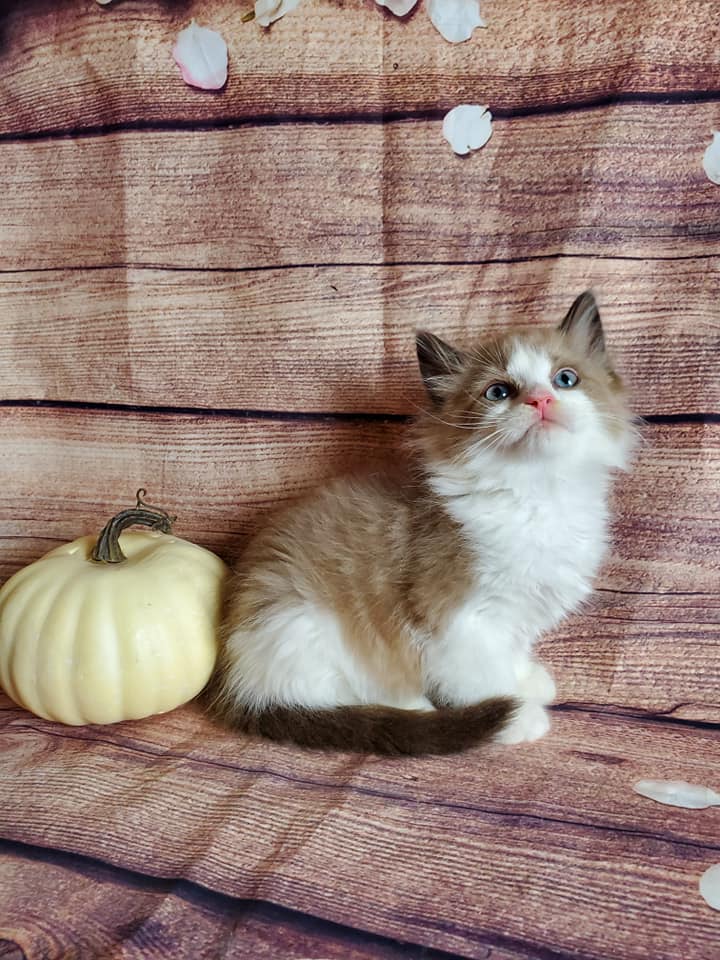
The Ragdoll’s Predisposition to Hypertrophic Cardiomyopathy (HCM)
Ragdolls are known for their gentle personalities, striking blue eyes, and affectionate nature. Like every recognized cat breed, however, they can be predisposed to certain inherited health conditions. Hypertrophic cardiomyopathy, commonly called HCM, is one of the most important cardiac concerns for Ragdoll breeders and families.
HCM causes abnormal thickening of the heart muscle, especially the left ventricle. The condition can be mild for years or progress to heart failure, blood clots, or sudden death. Since outward signs may be absent in the early stages, informed breeding decisions and veterinary monitoring are essential.
At Ragdoll Kittens Cattery, health screening is part of responsible kitten placement. Understanding the genetic background of HCM, the value and limits of testing, and the signs that warrant veterinary attention can help families make thoughtful decisions about a Ragdoll kitten.
What hypertrophic cardiomyopathy means
A healthy heart relaxes and contracts efficiently, moving blood through the lungs and body. With HCM, the muscular walls become abnormally thick. This reduces the chamber’s ability to fill and may increase pressure in the heart and lungs. Some cats remain stable, while others develop breathing difficulty, fluid accumulation, or circulation problems.
HCM is a disease rather than a single visible trait. A cat may carry a known genetic variant without developing obvious heart changes, while another cat with no identified mutation can still develop the condition. Other medical issues, including high blood pressure and thyroid disease, may also cause heart thickening that resembles HCM.
Why Ragdolls receive special attention
A mutation in the MYBPC3 gene has been identified in Ragdolls and is associated with an increased risk of HCM. This variant is inherited as an autosomal dominant trait, meaning a kitten may inherit it from one affected parent. The presence of the mutation does not predict exactly when, or whether, clinical disease will appear.
The genetic variant is also not the only possible cause of feline HCM. A negative DNA result lowers concern for that specific mutation but cannot guarantee a lifetime free of heart disease. This distinction is important when reviewing health records and discussing the meaning of a breeder’s testing program.
Breed standards address appearance and type, while health-focused breeding requires additional decisions about genetic diversity and veterinary evidence. Resources explaining TICA breed standards can help families understand how recognized Ragdoll characteristics fit within broader responsible breeding practices.
Genetic testing and cardiac screening
A DNA test can identify whether a Ragdoll carries the known MYBPC3 mutation. It is usually performed with a cheek swab or blood sample. Results are commonly described as negative, heterozygous, or homozygous, depending on the copies of the variant detected. Breeders use this information to avoid pairings that create unnecessary risk while protecting the health and diversity of the breeding population.
DNA screening should be viewed as one part of a larger health plan. An echocardiogram, performed by a veterinary cardiologist, uses ultrasound to assess heart wall thickness, chamber size, blood flow, and overall function. Because HCM may develop later in life, a normal scan is reassuring at that time but is not an absolute lifetime guarantee.
| Evaluation | What it can show | Important limitation |
|---|---|---|
| MYBPC3 DNA test | Whether a known Ragdoll-associated mutation is present | Does not detect every cause of HCM |
| Echocardiogram | Current heart structure and function | Findings can change with age |
| Physical examination | Heart murmur, rhythm changes, and general condition | A normal exam cannot rule out early HCM |
| Blood pressure and laboratory tests | Conditions that may affect the heart | Results need veterinary interpretation |
Signs that deserve prompt attention
Early HCM may produce no noticeable symptoms. A veterinarian might detect a murmur, gallop rhythm, or irregular heartbeat during a routine examination, but some cats with significant disease have no obvious abnormal sound. Regular wellness visits are therefore valuable, even when a Ragdoll appears playful and healthy.
Possible signs include faster or labored breathing, unusual tiredness, reduced appetite, weakness, fainting, and reluctance to exercise. A blood clot can cause sudden pain, paralysis, or weakness in one or both back legs. Difficulty breathing or sudden loss of mobility is an emergency requiring immediate veterinary care.
Families should avoid trying to diagnose heart disease by checking a kitten’s behavior alone. Cats often hide illness, and stress can briefly change breathing and heart rate. A veterinarian can determine whether symptoms relate to HCM, another heart condition, or a separate medical problem.
Responsible breeding and kitten adoption
Ethical breeders combine pedigree information, genetic screening, veterinary examinations, and transparent communication. They should be willing to explain which tests were performed, when they were completed, and what the results mean. Responsible decisions may include adjusting future pairings or removing a cat from a breeding program when evidence indicates an unacceptable risk.
Health testing for HCM fits within a broader preventive approach. Ragdoll Kittens Cattery also emphasizes screening for FIV, FeLV, and feline heartworm disease, along with daily handling in a cage-free family setting. Socialization does not replace medical care, but a calm home environment helps kittens develop confidence and makes health observations easier.
Prospective families can use these practical recommendations when reviewing a Ragdoll kitten’s health information:
- Request documentation for the parents’ relevant genetic testing and veterinary evaluations.
- Ask whether an echocardiogram was performed, who interpreted it, and when it occurred.
- Confirm the kitten’s examination history, vaccination plan, and recommended follow-up care.
- Choose a breeder who explains both the value and the limits of HCM screening.
- Arrange a complete examination with the family veterinarian soon after adoption.
Supporting a Ragdoll throughout life
A kitten with healthy parents and reassuring screening still benefits from routine veterinary care. Annual examinations allow a veterinarian to listen for new heart sounds, measure weight, assess blood pressure when appropriate, and discuss changes in activity or breathing. As a cat matures, the recommended frequency of cardiac evaluation may depend on family history and clinical findings.
Nutrition, healthy body weight, dental care, parasite prevention, and stress reduction support general wellbeing but do not prevent every inherited heart condition. Families should follow individualized veterinary advice rather than relying on supplements marketed for cardiac health.
HCM can be an emotionally difficult subject, yet clear information makes responsible choices possible. Careful screening cannot eliminate every uncertainty, but it can reduce preventable risk and encourage earlier recognition of disease. Families seeking a well-socialized Ragdoll kitten can review available kittens and health information through Ragdoll Kittens Cattery, then discuss their plans directly with the cattery and their veterinarian.