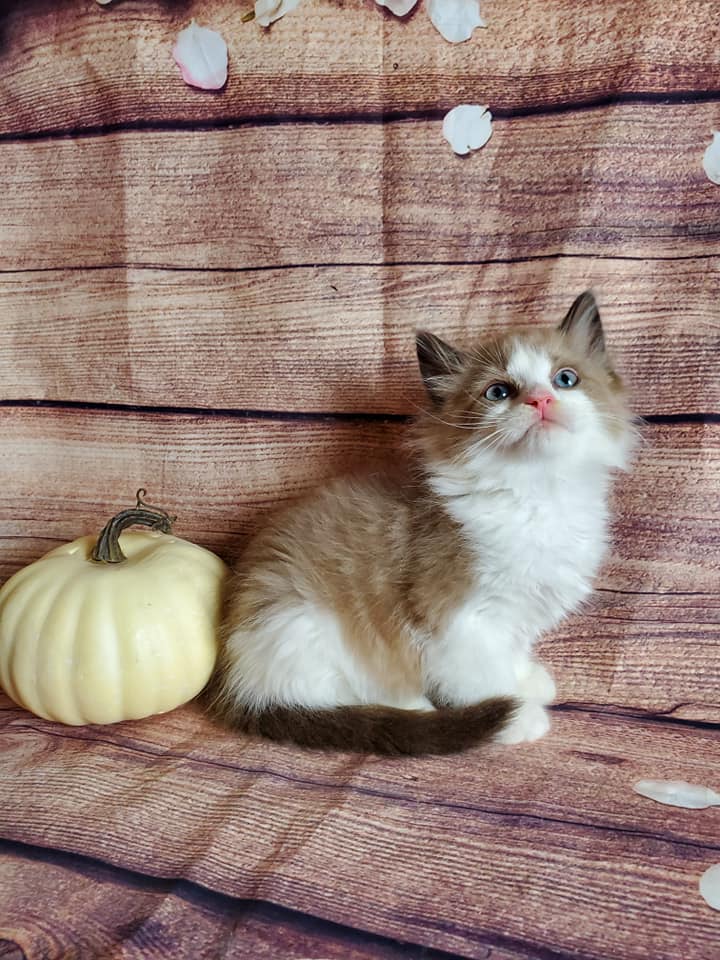
Ragdoll’s Silky Fur: Daily Brushing Techniques That Work
A Ragdoll’s semi-long coat is one of the breed’s most recognizable features. The fur feels soft and silky, with a light texture that can hide loose hair and small tangles until they become harder to remove. Regular grooming keeps the coat comfortable, reduces shedding around the home, and helps preserve the breed’s neat, luxurious appearance.
Daily brushing does not need to be a long or demanding routine. For most Ragdolls, a few calm minutes with the right tools are enough to prevent knots, check the skin, and build a positive grooming habit. Kittens raised in a family setting can learn that brushing is simply another form of gentle handling.
At Ragdoll Kittens Cattery in Helena, Montana, kittens are handled daily in a cage-free indoor environment. That early contact provides a useful foundation for future coat care, especially when new families continue grooming with patience and rewards.
Why the Ragdoll coat needs regular care
Ragdolls have a single, soft-to-medium-length coat with limited undercoat compared with some other long-haired breeds. This can make the fur less prone to severe matting, but it does not make grooming unnecessary. Loose hair can collect around the neck, behind the legs, under the front armpits, and along the belly.
A short brushing session also gives you an opportunity to notice dry skin, redness, fleas, tender areas, or unusual lumps. Grooming should never be used to force a knot apart. Pulling can hurt the cat and may cause them to resist future handling.
Choose tools that glide through silky fur
A stainless-steel greyhound comb is one of the most useful tools for a Ragdoll coat. Its narrow and wider teeth help you check whether you have reached through the full length of the fur rather than smoothing only the surface. A soft slicker brush can lift loose hair, but it should be used with light pressure.
A grooming spray made for cats may help with static or minor tangles, but avoid human products, essential oils, and heavily scented formulas. Keep a small pair of blunt-tipped grooming scissors available for emergencies, though difficult mats are safer for a veterinarian or experienced professional to remove.
A gentle daily brushing routine
Begin when your Ragdoll is relaxed, perhaps after a nap or a quiet play session. Let the cat sniff the brush, then stroke over an easy area such as the shoulders or back. Use slow movements that follow the direction of hair growth, offering praise or a small treat after a few strokes.
Work in sections rather than repeatedly brushing the same area. Start at the shoulders, move down the back, then check the chest, sides, hindquarters, and tail. For longer furnishings, hold the fur near the skin and comb the ends first. Gradually work upward toward the roots so any small tangle can be loosened without tugging the skin.
Where tangles commonly form
The ruff around the neck can collect saliva, food particles, and loose hair. Use your fingers to separate the fur before passing a comb through it. The areas behind the front legs and at the inner thighs are also easy to miss because they experience friction when the cat moves.
The tail should be handled with particular care. Comb from the base toward the tip using short, gentle strokes, and never yank through a snag. A Ragdoll kitten may have a shorter coat at first, but grooming these areas early helps make future care routine.
| Grooming tool | Best use | Technique | Typical frequency |
|---|---|---|---|
| Wide-tooth comb | Checking the full coat and loosening light tangles | Comb in small sections from the ends toward the roots | Daily or every other day |
| Fine-tooth comb | Inspecting the ruff, legs, and tail | Use lightly after the wider comb | Several times weekly |
| Soft slicker brush | Removing loose surface hair | Use short strokes with minimal pressure | A few times weekly |
| Damp microfiber cloth | Wiping dust or minor debris | Smooth over the coat without soaking it | As needed |
| Cat-safe nail trimmers | Maintaining claws during grooming | Trim only the transparent tip | Every few weeks |
Make brushing comfortable for kittens
A kitten may wiggle, bite the brush, or try to walk away during the first sessions. Keep the experience brief and stop before the kitten becomes overwhelmed. One minute of calm brushing is more valuable than ten minutes of restraint because it builds trust and makes future grooming easier.
Touch the paws, ears, tail, and chest gently even when you are not brushing. This teaches the kitten to accept routine handling and makes nail trims, veterinary examinations, and coat checks less stressful. Families considering a Ragdoll as a therapy cat may find this calm, predictable approach especially helpful.
Prevent mats before they become serious
Run a comb through high-friction areas regularly, even when the coat looks smooth. Mats often begin close to the skin, where they can trap moisture and prevent proper airflow. Check more often during seasonal shedding, after outdoor exposure, or when a cat has been ill and grooming less frequently.
Do not bathe a matted Ragdoll before removing the tangles, since water can tighten them. Most healthy indoor Ragdolls do not need frequent baths. If the coat becomes greasy, dirty, or difficult to manage, ask a veterinarian or professional groomer about a cat-safe bathing and drying plan.
Simple habits for a healthy, polished coat
- Brush briefly and consistently instead of waiting for heavy shedding.
- Comb behind the legs, beneath the chest, around the ruff, and through the tail.
- Reward calm behavior with praise, play, or a suitable treat.
- Inspect the skin for redness, parasites, scabs, or painful areas.
- Arrange professional or veterinary help for tight mats and severe coat changes.
Nutrition, hydration, parasite prevention, and general health also influence coat quality. A sudden dull coat, excessive shedding, dandruff, or reluctance to be touched may signal a health problem rather than a grooming issue. Health-conscious breeders screen for conditions such as HCM, FIV, FeLV, and feline heartworm disease, while new owners should maintain regular veterinary care after adoption.
With a few minutes of thoughtful care each day, a Ragdoll’s coat can remain soft, clean, and comfortable without turning grooming into a struggle. Families interested in adding a well-socialized purebred Ragdoll kitten to their home can contact Ragdoll Kittens Cattery in Helena, Montana, to learn about available kittens, coat colors, markings, and the adoption process.