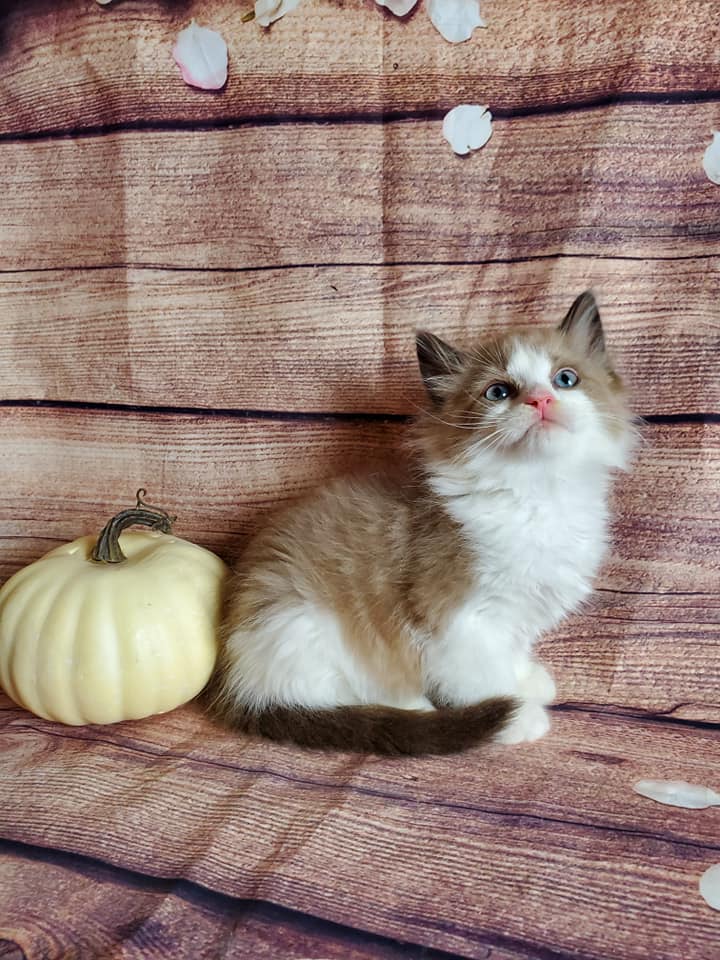
Caring For The Ragdoll’s Soft, Silky Coat
The Ragdoll’s plush, semi-long coat is one of the breed’s most appealing features. Its texture is soft and smooth, with a graceful ruff around the neck, feathering on the legs, and a flowing tail. Unlike some long-haired cats, Ragdolls usually have a lighter undercoat, which can reduce dense tangles while still requiring regular care.
A simple grooming routine keeps the coat glossy, comfortable, and free from painful mats. It also creates a valuable opportunity to check the skin, paws, ears, and overall condition of a growing kitten or adult cat. At Ragdoll Kittens Cattery in Helena, Montana, kittens are handled daily in a family environment, helping them become comfortable with gentle care.
Understanding The Ragdoll Coat
Ragdolls have a silky, rabbit-like coat that generally lies close to the body rather than forming a thick, cottony layer. Their hair may be shorter over the face and shoulders and longer along the belly, hind legs, and tail. Coat length and fullness can continue developing as a kitten matures, so a young Ragdoll may look less fluffy than an adult.
This breed does shed. Most owners notice lighter, steady shedding throughout the year and heavier hair release during seasonal changes. Indoor heating during Montana winters can also make the air dry, which may contribute to static and loose hair. Regular brushing helps remove shed fur before it collects on furniture or forms knots.
How Often To Brush
For many Ragdolls, brushing two or three times each week is a practical starting point. A gentle session every day or two can be useful during spring and fall shedding periods, or whenever the coat becomes fuller. The goal is consistency rather than long grooming sessions.
Begin with areas that tangle easily, including behind the ears, beneath the chin, under the front legs, around the belly, and at the backs of the thighs. Separate the fur with your fingers and work slowly from the ends toward the skin. Never pull forcefully through a knot, since tugging can make grooming uncomfortable and cause a cat to resist future sessions.
Choosing Gentle Grooming Tools
A stainless-steel comb with both wide and narrow teeth is useful for checking whether the brush has reached through the coat. A soft slicker brush can lift loose hair and smooth the outer layer, but it should be used with light pressure. For sensitive areas, a grooming glove or soft bristle brush may be more comfortable.
Avoid shaving a Ragdoll simply to reduce shedding. The coat helps protect the skin and regulate temperature, while a close shave can cause stress, uneven regrowth, or sun sensitivity. Mat splitters and scissors also require caution; cutting close to the skin can result in accidental injuries. Severe or tight mats are best handled by a veterinarian or experienced professional groomer.
| Grooming Need | Helpful Approach | How Often |
|---|---|---|
| Loose hair removal | Soft slicker brush or grooming glove | Two to three times weekly |
| Tangle prevention | Stainless-steel comb through problem areas | Several times weekly |
| Coat inspection | Finger check behind ears, legs, and belly | During each session |
| Nail maintenance | Cat nail trimmers or veterinary assistance | Every few weeks as needed |
| Bathing | Cat-safe shampoo only, with thorough drying | Occasionally, when necessary |
Making Grooming Comfortable
A Ragdoll kitten should learn that grooming is calm, brief, and rewarding. Start with a few strokes on an easy area, then offer praise or a small treat. Gradually introduce the comb, paw handling, ear checks, and gentle tail care. Ending before the kitten becomes restless helps build a positive association.
Use a stable surface with a towel or nonslip mat beneath the cat. Keep tools within reach and avoid chasing a cat that walks away. Short sessions are more effective than forcing a complete grooming routine in one attempt. Daily handling in a family setting gives kittens a helpful foundation, but each new home should continue the process at the cat’s pace.
Managing Shedding Around The Home
Brushing outside or in an easy-to-clean area can reduce floating hair, although indoor grooming may be more practical in cold weather. Washable throws on favorite sleeping spots, regular vacuuming, and a lint roller can keep loose fur manageable. Cleaning brushes frequently also makes each grooming session more effective.
A balanced, age-appropriate diet supports healthy skin and hair growth. Fresh water, appropriate nutrition, and routine veterinary care matter more than unproven supplements. Excessive shedding, bald patches, dandruff, persistent itching, greasy fur, or sudden changes in coat texture should be evaluated by a veterinarian rather than treated as ordinary seasonal shedding.
Practical Habits For A Healthy Coat
Good coat care is part of broader Ragdoll wellness. During brushing, owners can look for fleas, irritated skin, small lumps, ear debris, or changes in body condition. Parasite prevention should follow veterinary guidance, especially because skin irritation can lead to overgrooming and hair loss.
At a responsible cattery, health screening and careful socialization support a kitten’s long-term well-being. Ragdoll Kittens Cattery emphasizes screening related to HCM, FIV, FeLV, and feline heartworm disease, while raising kittens indoors in a cage-free family environment. A healthy, well-socialized kitten is more likely to accept regular handling as grooming becomes part of life.
Simple Coat-Care Recommendations
- Comb behind the ears, beneath the legs, and around the belly several times each week.
- Use light pressure and work through small sections instead of pulling at knots.
- Reward calm behavior with praise, play, or a suitable treat.
- Check the skin and coat during every grooming session for unusual changes.
- Ask a veterinarian or professional groomer to handle severe mats or persistent skin problems.
Supporting A Lifetime Of Soft Fur
The best maintenance routine is gentle, predictable, and suited to the individual cat. Some Ragdolls need extra attention around the hindquarters or tail, while others remain relatively tangle-free with twice-weekly brushing. Adjust the schedule during seasonal shedding and as the kitten’s adult coat develops.
Families choosing a Ragdoll as a companion or therapy cat can begin grooming habits early and keep them positive. With the right comb, patient handling, and regular health checks, the breed’s luxurious coat can remain clean, silky, and comfortable without becoming a demanding chore.
For information about available Ragdoll kittens, coat colors and markings, health practices, and the adoption process, contact Ragdoll Kittens Cattery in Helena, Montana. A thoughtful start helps each kitten settle into a loving home with the grooming care it needs.