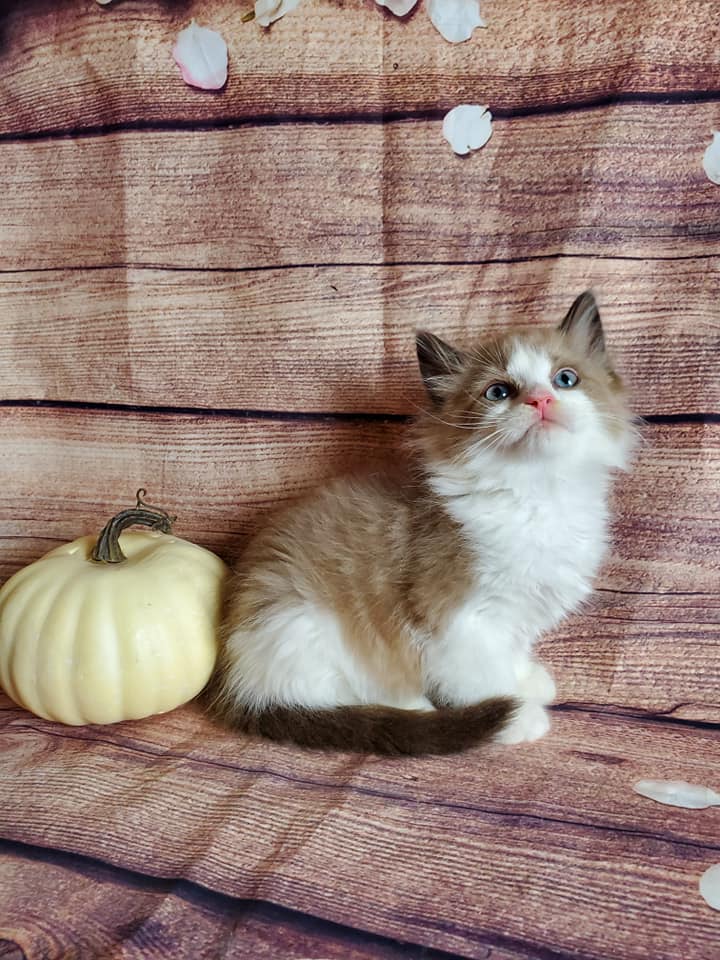
Holding a Ragdoll Kitten Safely and Comfortably
Ragdoll kittens are known for their relaxed nature, soft coats, and trusting relationships with people. Their calm temperament can make them seem easy to pick up, but a young kitten still has developing muscles, bones, and joints that need careful support.
The safest way to hold a Ragdoll kitten is to keep the entire body supported while maintaining a calm, secure grip. One hand should support the chest and front legs, while the other supports the hindquarters. This prevents twisting, slipping, and strain on the spine.
At Ragdoll Kittens Cattery, kittens are raised indoors in a cage-free family environment and handled daily for socialization. Gentle, consistent contact helps kittens become comfortable with human touch while teaching them that being lifted can be a positive experience.
Why Support Matters for Young Ragdolls
A kitten may relax in your arms, but relaxation does not mean the body can safely hang unsupported. Ragdolls can grow into substantial cats, and even a small kitten needs balanced support from chest to hips. Allowing the back legs or abdomen to dangle can place unnecessary stress on developing joints and muscles.
Proper handling also protects the kitten from sudden falls. Young cats can become startled by a sound, movement, or unfamiliar person. A secure hold gives you enough control to respond smoothly without squeezing or restraining the kitten harshly.
Prepare Before You Lift
Before picking up a Ragdoll kitten, approach slowly and speak in a quiet voice. Allow the kitten to see your hands rather than reaching suddenly from above. If the kitten is sleeping, eating, hiding, or playing intensely, wait for a calmer moment whenever possible.
Wash or sanitize your hands when appropriate, especially before handling a very young kitten. Remove dangling jewelry and avoid clothing with loose strings that could catch on claws. Hold the kitten close to a stable surface until you are confident that the grip is secure.
Use Full-Body Support
Slide one hand beneath the kitten’s chest, placing your palm behind the front legs. Use your other hand to support the pelvis and hindquarters. Lift in one smooth motion, bringing the kitten toward your body instead of holding it at arm’s length.
Keep the kitten’s spine aligned and allow the legs to rest naturally against your hands or torso. The hold should be firm enough to prevent slipping but gentle enough that the ribs, abdomen, and throat are never compressed. Never lift a kitten by the scruff, front legs, tail, or loose skin.
Once the kitten is against you, use your forearm or chest as additional support. This creates a secure cradle and leaves one hand available for gentle stroking. If the kitten begins to squirm, lower it immediately rather than tightening your grip.
Adjust Your Hold to the Situation
Different handling situations call for slightly different positions. A brief lift from the floor requires a stable two-hand hold, while cuddling may be more comfortable with the kitten resting against your chest. During grooming or a health check, support remains essential even when the kitten is positioned differently.
The following guide can help caregivers choose a safe approach:
| Situation | Recommended Position | Key Safety Point |
|---|---|---|
| Lifting from the floor | One hand under the chest and one under the hips | Raise the body as one unit |
| Cuddling | Kitten supported against your chest or in your lap | Keep the hindquarters supported |
| Moving between rooms | Close-to-body cradle | Walk slowly and avoid sudden turns |
| Nail or coat check | Chest supported, hindquarters resting securely | Use brief handling sessions |
| Returning to the floor | Lower the front and hindquarters together | Release only when all four paws are stable |
A kitten should never be carried by a child without close adult supervision. Children can learn gentle handling, but an adult should perform the lift until the child can reliably support the kitten’s whole body and recognize signs of stress.
Read Body Language Before Continuing
A comfortable kitten usually has a relaxed body, soft eyes, and a tail that is not lashing. Some kittens may purr or knead while being held. Others may remain quiet but still feel uncertain, so watch the whole body rather than relying on one behavior.
Squirming, flattened ears, wide pupils, sudden vocalizing, tense muscles, rapid breathing, or repeated attempts to escape indicate that the session should end. Place the kitten down calmly and give it space. Gentle restraint should never become a wrestling match.
Lower the kitten close to the floor or another secure surface. Set down the hindquarters and front paws carefully, making sure the kitten has balance before removing your hands. Avoid dropping the kitten onto a couch, bed, or floor, even from a short height.
Build Confidence Through Everyday Handling
Short, positive sessions are more effective than prolonged cuddling. Touch the paws, ears, shoulders, and tail area gently for only a few seconds at first. Pair calm handling with a soft voice and a reward that is appropriate for the kitten’s age and diet.
Daily handling can support early socialization, especially when it includes different household sounds, safe surfaces, and several trusted people. Health-conscious breeding practices also matter. A reputable cattery should provide clear information about veterinary care and screening, including concerns such as HCM, FIV, FeLV, and feline heartworm disease.
Useful habits for families include:
- Support the chest and hindquarters every time you lift.
- Keep the kitten close to your body rather than stretching your arms outward.
- Stop handling when the kitten shows fear, fatigue, or resistance.
- Teach children to sit on the floor before holding a kitten.
- End each session with a safe return to the floor and a calm reward.
When handled correctly, a Ragdoll kitten learns that human hands provide comfort, stability, and care. Families considering a loving pet or therapy companion can contact Ragdoll Kittens Cattery in Helena, Montana, to learn about available kittens, breed traits, health information, and the adoption process.