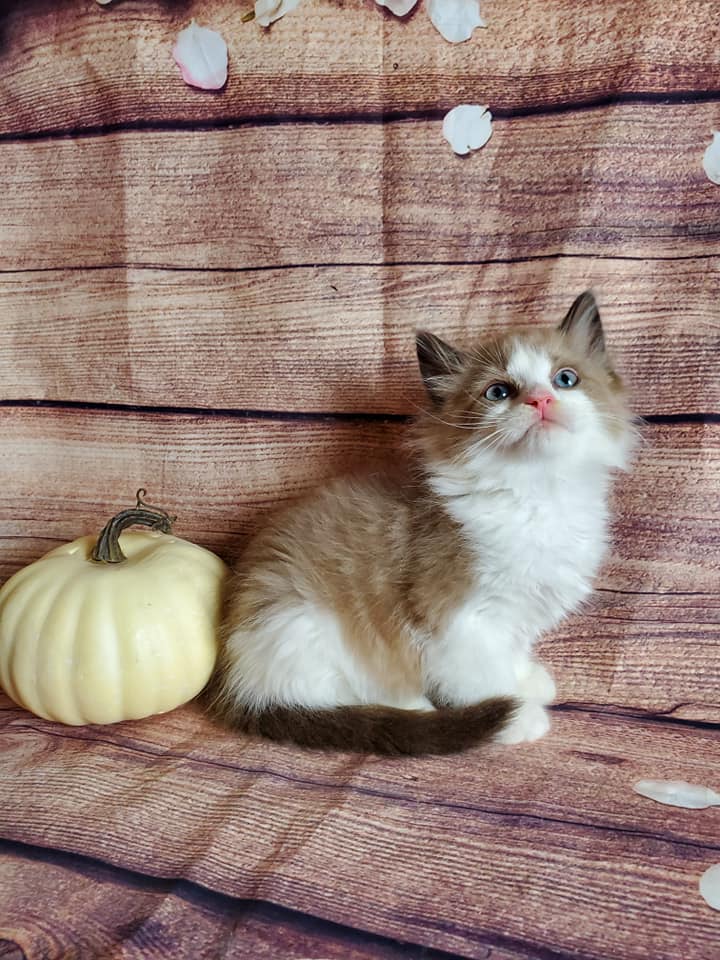
How diet supports urinary health in Ragdoll cats
A balanced diet plays an important part in helping Ragdolls maintain a healthy urinary tract. Food affects water intake, urine concentration, mineral levels, body weight, and the way a cat’s kidneys process nutrients. These factors can influence the risk of bladder irritation, crystals, and other feline urinary problems.
Ragdolls are large, slow-maturing cats with moderate activity needs. Their nutritional plan should support steady growth in kittens and a healthy body condition in adults without supplying excessive calories. A suitable diet, fresh water, clean litter boxes, and regular veterinary care work together to support long-term wellness.
At Ragdoll Kittens Cattery in Helena, Montana, kittens are raised indoors in a family environment and handled daily. Good care continues after adoption, and understanding hydration and nutrition helps families make thoughtful choices for their new companion.
Why hydration matters for the urinary tract
Cats naturally evolved to obtain much of their moisture from prey, so many domestic cats do not drink enough from a water bowl to compensate for a dry-only diet. When urine becomes concentrated, minerals have a greater opportunity to collect and form crystals. Concentrated urine can also be uncomfortable for cats with bladder sensitivity.
Wet food increases daily fluid intake and usually produces more dilute urine. It can be offered as the primary diet or combined with a complete dry food, depending on the cat’s health, preferences, and veterinarian’s advice. Several water stations, a wide ceramic or stainless-steel bowl, and a quiet location can encourage drinking.
Some Ragdolls prefer moving water, making a properly cleaned fountain useful. Water should be refreshed frequently, and bowls should be washed regularly to remove saliva, food residue, and biofilm.
Choosing food with urinary wellness in mind
A high-quality cat food should be complete and balanced for the cat’s life stage. Kittens need food formulated for growth, while adult Ragdolls need nutrition that helps preserve lean muscle without promoting excess weight. Look for a named animal protein, appropriate calories, and feeding directions that can be adjusted for the individual cat.
Mineral balance matters, especially magnesium, phosphorus, and calcium. However, adding supplements or choosing a highly restricted mineral diet without veterinary guidance can create new nutritional problems. Urine acidity also affects crystal formation, but trying to change urine pH at home may be unsafe unless a veterinarian has identified a specific need.
The most appropriate diet depends on the cat’s medical history. A cat that has experienced struvite crystals, calcium oxalate stones, urinary blockage, kidney disease, or repeated cystitis may require a prescription urinary diet and follow-up urine testing.
| Feeding approach | Potential benefit | Important consideration |
|---|---|---|
| Complete wet food | Adds moisture and may dilute urine | Measure portions because calories vary |
| Wet and dry combination | Balances hydration, convenience, and texture preferences | Keep total daily calories controlled |
| Complete dry food with extra water access | Convenient and nutritionally consistent | Some cats may still drink too little |
| Prescription urinary diet | Formulated for certain diagnosed conditions | Use only with veterinary direction |
| Homemade or raw diet | May suit some carefully managed plans | Nutritional imbalance and infection risks require professional oversight |
Managing portions and body condition
Excess weight can affect mobility, grooming, activity, and overall metabolic health. Less active cats may also drink and urinate differently from highly active cats. Because Ragdolls are substantial in size, visual judgment alone can make a normal body frame look overweight.
Use measured meals rather than leaving unlimited food available throughout the day. A veterinarian or veterinary nutrition professional can help estimate calorie needs based on age, weight, neuter status, activity, and health history. Treats should remain a small part of daily calories.
Monitor the cat’s body shape, waist, ribs, and weight over time. A gradual change is easier to address than sudden weight gain. Any weight-loss plan should be slow and supervised, since rapid restriction can be dangerous for cats.
Recognizing changes in urination
Diet supports prevention, but it cannot eliminate every urinary concern. Stress, genetics, low activity, household changes, infection, bladder inflammation, and underlying disease may all contribute to urinary signs. A cat that suddenly changes its bathroom habits needs careful observation.
Signs that deserve prompt veterinary attention include frequent trips to the litter box, straining, crying while urinating, blood in the urine, urinating outside the box, excessive licking of the genital area, or producing only small amounts of urine. A male cat that cannot pass urine has a life-threatening emergency and needs immediate veterinary care.
Never give a cat human pain medication or leftover antibiotics. Testing may include a physical examination, urinalysis, blood work, imaging, or a urine culture. The diagnosis should guide the diet rather than the other way around.
Everyday habits that support bladder health
Food is most effective when paired with a low-stress, well-maintained home. Provide enough litter boxes for the household, place them in quiet accessible areas, and scoop them regularly. Clean facilities can encourage normal urination and make changes easier to notice.
Ragdolls benefit from gentle daily interaction and predictable routines. Play, climbing opportunities, and positive attention support activity and may reduce stress-related behaviors. Gradual transitions are important when changing foods; mix the new diet with the old over several days unless a veterinarian gives different instructions.
Practical habits can make a meaningful difference:
- Offer moisture-rich, complete food when it suits the cat’s nutritional plan.
- Provide multiple clean water sources and refresh them often.
- Measure meals and monitor body condition throughout adulthood.
- Change foods gradually and avoid unapproved supplements or acidifying products.
- Arrange veterinary evaluation promptly when urination, appetite, or behavior changes.
Building a nutrition plan for each life stage
Ragdoll kittens require energy-dense nutrition for controlled growth, but their portions still need monitoring. A kitten should receive a complete growth formula and regular veterinary checks as it develops. Fresh water should be available from the first days at home, even when the kitten eats wet food.
Adult cats generally benefit from portion control, consistent feeding times, and a diet that maintains lean muscle. Senior Ragdolls may need adjustments based on kidney function, dental health, activity, or other age-related changes. Routine examinations and periodic laboratory testing can identify concerns before a diet change becomes urgent.
Families adopting from a responsible cattery can ask what food the kitten is currently eating and continue that diet initially. A familiar food reduces transition stress. Any long-term change should reflect the cat’s preferences, body condition, and veterinary needs.
When welcoming a Ragdoll kitten or caring for an adult cat, discuss hydration, portion sizes, and urinary warning signs with your veterinarian. Contact Ragdoll Kittens Cattery to learn more about available kittens, their early care, and how to prepare a healthy home from the start.