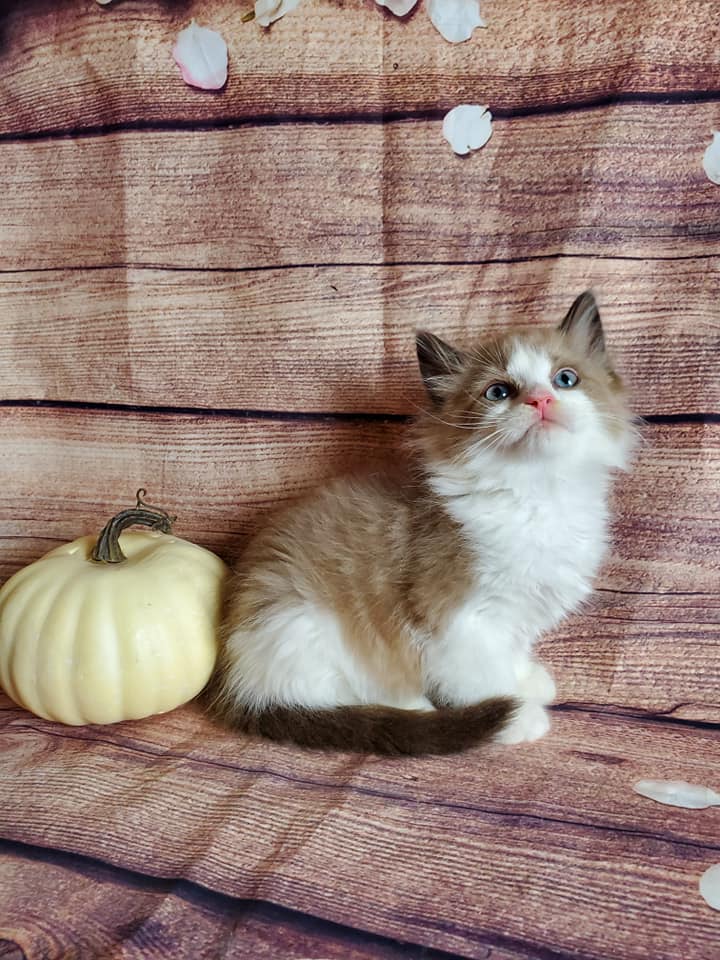
How Genetics Shapes Ragdoll Temperament And Personality
Ragdolls are known for their gentle, affectionate nature, but their personality is not created by appearance alone. Genes influence a kitten’s activity level, sociability, sensitivity and tendency to seek human company. These inherited traits interact with early experiences, household routines and the way a kitten is raised.
For Australian families choosing a Ragdoll in Sydney, Melbourne, Brisbane or a smaller regional community, understanding this relationship can make adoption decisions more realistic. A well-socialised kitten may become a relaxed companion or therapy cat, yet every cat develops as an individual rather than following a perfect breed template.
Inherited Traits Behind The Ragdoll Character
Temperament is influenced by many genes rather than a single “friendly” gene. Some genetic combinations may support confidence, tolerance of handling and a strong interest in people. Others can contribute to caution, independence or a higher sensitivity to noise and change. Breeders can select compatible parents, but they cannot predict every detail of a kitten’s adult personality.
Ragdoll breed traits often include a calm disposition, moderate energy and a tendency to remain close to family members. Their famous relaxed response when carried is not a guarantee that every cat will enjoy being picked up. Genetics establish a range of possible behaviours, while learning and daily interactions help determine where an individual kitten sits within that range.
Family history provides useful clues. Observing the sire and dam, their reactions to visitors and their comfort with grooming can help indicate likely tendencies. A confident, people-focused mother may pass along both inherited characteristics and learned responses through the kittens’ earliest weeks.
Why Early Socialisation Matters
The first weeks of life are especially important for behavioural development. Gentle, regular handling, exposure to ordinary household sounds and positive contact with different people can help kittens build confidence. At a small home-based cattery, daily interaction may include play, grooming, cuddling and gradual exposure to carriers or household activity.
This early learning does not erase genetic differences. Instead, it helps a kitten use its natural temperament successfully. A genetically cautious kitten may become comfortable with familiar adults but still need extra time around children, visitors or busy environments. A naturally bold kitten may adapt quickly, though it still benefits from calm boundaries and predictable care.
For Australian homes, this matters during practical changes such as moving from a quiet cattery to an apartment in inner Melbourne or a lively family home near Brisbane. Travel, new flooring, different voices and unfamiliar smells can temporarily affect behaviour. A patient transition gives the kitten time to settle without labelling normal uncertainty as a permanent personality problem.
Health Genetics And Behavioural Wellbeing
Good temperament depends partly on physical wellbeing. Pain, illness and inherited health conditions can make a cat withdrawn, irritable or unusually fearful. Responsible Ragdoll breeding therefore considers health screening alongside appearance and personality. Testing and veterinary oversight for conditions such as hypertrophic cardiomyopathy, FIV, FeLV and feline heartworm disease support a healthier foundation for development.
Health screening cannot promise a particular temperament, and a clear result does not predict every future condition. It does, however, show that a breeder is considering the kitten’s long-term welfare rather than selecting solely for blue eyes, colour pattern or a desirable head shape.
| Factor | Genetic influence | Environmental influence | What families may notice |
|---|---|---|---|
| Sociability | Inherited tendency to seek people | Daily handling and positive contact | Willingness to approach or settle nearby |
| Activity level | Baseline energy and play drive | Toys, space and household routine | Quiet companion or energetic playmate |
| Confidence | Sensitivity and natural resilience | Early socialisation and gentle transitions | Response to visitors, travel and noise |
| Handling tolerance | Individual nervous-system response | Respectful grooming and carrying practice | Comfort with brushing, vet visits and cuddles |
| Vocal behaviour | Family tendencies may contribute | Attention, routine and reinforcement | Occasional conversation or frequent calling |
Choosing For Personality And Family Fit
A kitten’s colour or markings should not be treated as a reliable personality guide. Seal, blue, chocolate, lilac, flame and tortie Ragdolls can all be affectionate, playful or reserved. Colour genetics determine coat appearance; they do not provide a simple temperament forecast.
When assessing a litter, look for several behaviours rather than one dramatic moment. A kitten may be sleepy during a visit yet become lively later. Useful observations include whether it recovers after a mild surprise, accepts gentle touch, plays appropriately and shows interest in people without becoming overwhelmed.
Families can ask about the parents’ personalities, the kitten’s daily routine and how it responds to grooming, children or household sounds. For Australians comparing breeders, transport arrangements also matter. A kitten travelling from a regional Montana-style home environment to Perth, Adelaide or Canberra may need a quieter settling period after a long journey and a change in climate.
Supporting A Well-Balanced Companion
Genetics may provide the starting pattern, but everyday care continues to shape behaviour. Predictable feeding, safe resting areas, interactive play and respectful handling help a Ragdoll feel secure. These cats often enjoy companionship, so long periods without stimulation may lead to boredom even when their overall energy is moderate.
Helpful habits include:
- Keeping feeding, play and rest routines reasonably consistent
- Providing scratching posts, climbing areas and soft hiding places
- Introducing grooming and carrier use gradually
- Allowing the cat to approach new people at its own pace
Therapy-cat potential also depends on more than a gentle breed reputation. A suitable cat needs sound health, emotional stability, tolerance of handling and the ability to recover from unfamiliar sights and sounds. Families should allow personality to develop naturally rather than expecting a kitten to perform a particular role.
A Ragdoll may become a devoted lap cat, a quiet companion who follows people from room to room, or a playful family member who prefers affection on its own terms. The most reliable expectations come from combining pedigree information, health-conscious breeding, early socialisation and close observation of the individual kitten.
The key point is that genetics influence a Ragdoll’s temperament without dictating its entire personality. Thoughtful breeding creates a strong starting point, while gentle handling, good health and a stable Australian home help that potential mature into a confident, affectionate companion.