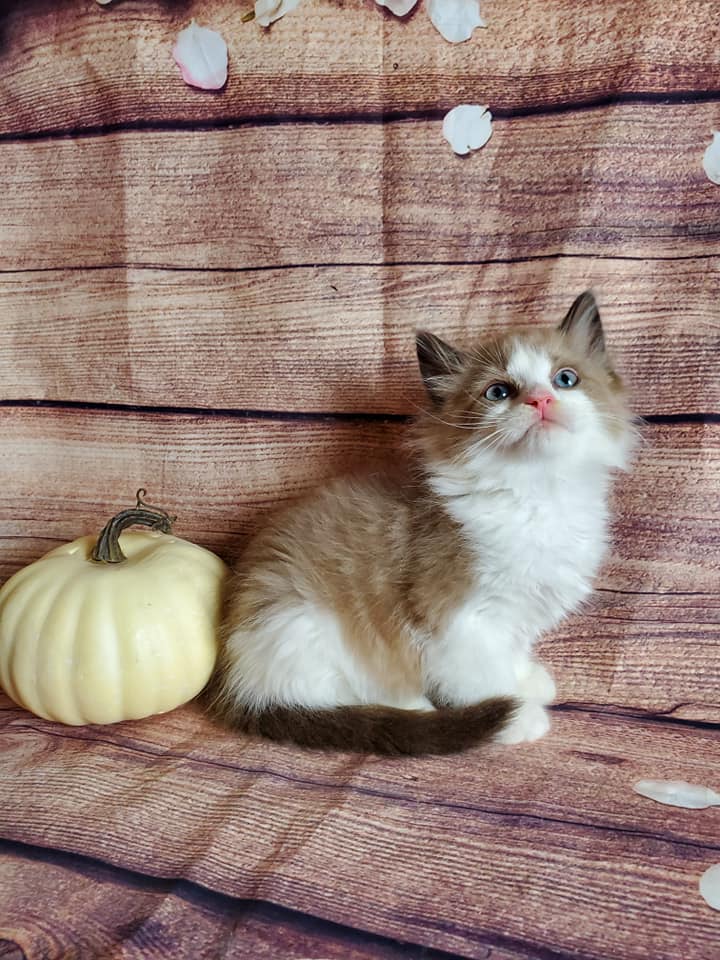
Omega-3 Fatty Acids for Ragdoll Coat and Joint Health
Ragdoll cats are celebrated for their plush, semi-long coats and famously relaxed personalities, but keeping that signature look and easy movement requires more than gentle handling and regular brushing. Nutrition quietly shapes skin condition, fur texture, and joint resilience across every stage of life. Among the nutrients that influence these traits, omega-3 fatty acids consistently earn attention from veterinarians and breeders.
In Australian homes, omega-3 supplementation has become a common addition to a Ragdoll's daily routine, often starting in kittenhood and continuing into the senior years. The interest reflects both the breed's predisposition to certain skin and joint concerns and the growing availability of high-quality marine oils on local shelves.
| Source | Main Omega-3s Provided | Typical Form | Suitability for Ragdolls |
|---|---|---|---|
| Wild-caught fish oil (sardine, mackerel) | EPA and DHA | Liquid or capsule | Excellent for coat shine and joint comfort |
| Salmon oil (Tasmanian or Norwegian) | EPA and DHA | Pump bottle | Palatable, well tolerated by most cats |
| Krill oil | EPA and DHA with astaxanthin | Small capsules | Concentrated, higher price point |
| Algae oil | DHA primarily | Liquid or capsule | Plant-sourced, suits sustainable preferences |
| Flaxseed or chia oil | ALA only | Liquid | Limited conversion in cats, less effective |
The Biological Role of Omega-3s in Cats
Ragdolls, like all felines, are obligate carnivores whose bodies rely on animal-derived nutrients to thrive. The two most relevant long-chain omega-3s for cats are eicosapentaenoic acid (EPA) and docosahexaenoic acid (DHA), both of which are woven directly into cell membranes throughout the skin, nerves, and cartilage. Once embedded, these fatty acids influence how cells signal inflammation, hydrate themselves, and communicate with surrounding tissues.
Cats cannot efficiently convert plant-based alpha-linolenic acid, or ALA, into EPA and DHA, which makes the source of any supplement a critical detail. Marine oils deliver these fatty acids in a form that feline metabolism absorbs and uses without extra conversion steps. This is why fish- and algae-derived products tend to outperform flaxseed or chia options when it comes to measurable results in coat quality and mobility.
How Omega-3s Support a Glossy Ragdoll Coat
A Ragdoll's coat is built from three layers: a soft undercoat, a silky middle layer, and long guard hairs that give the breed its flowing silhouette. Each strand grows from a follicle that depends on dietary lipids to stay flexible and well hydrated. When EPA and DHA circulate in adequate amounts, they reinforce the skin's lipid barrier, reducing moisture loss and keeping flakes to a minimum.
Owners often notice visible improvement within six to eight weeks of consistent use. The fur typically looks shinier, sheds less during the warmer months that Australians know well, and feels softer under the hand. For Ragdolls prone to mild dermatitis or dry, itchy patches, omega-3s work alongside other veterinary treatments by calming inflammation from the inside out, complementing a weekly grooming session with a stainless-steel comb.
Joint Health Through Every Life Stage
Ragdolls are a substantial breed, with mature males commonly reaching six to nine kilograms and females sitting slightly lighter. That extra body weight places steady pressure on hips, knees, and the spine, particularly as cats move into their later years. Omega-3s offer gentle anti-inflammatory support that helps maintain easy movement and reduces the stiffness many older cats show after a long nap.
Kittens benefit from these fatty acids too, since DHA contributes to healthy brain and retinal development during rapid growth. Many premium Australian kitten foods already include added fish oil for this reason. Adult Ragdolls in their prime years gain ongoing preventative support, while senior cats often display the most visible improvement in mobility once a steady routine is established.
Sources Available to Australian Cat Owners
Shopping for omega-3 supplements in Australia is straightforward, with trusted options at major retailers like Petbarn, Pet Stock, and Chemist Warehouse. Australian-sourced fish oils, including those derived from Tasmanian salmon and sustainably caught sardines, are widely available and meet the strict purity standards set by the Australian Pesticides and Veterinary Medicines Authority (APVMA).
Locally bottled products such as those from Blackmores, Nature's Own, and Paw by Black Hawk give owners several choices at different price points, typically ranging from twenty-five to seventy Australian dollars for a one-to-two-month supply. Some Australian families also offer small amounts of tinned sardines in spring water as an occasional topper, though a measured oil gives more reliable dosing.
Practical Tips for Safe Supplementation
Before introducing any new supplement, a brief chat with your local veterinarian is worthwhile, especially if your Ragdoll takes medication or has a known health condition. The Australian Veterinary Association suggests starting with a lower-than-recommended dose and gradually increasing to the label amount, which helps avoid loose stools during the adjustment period.
Storage matters just as much as brand selection, since fish oils oxidise quickly when exposed to heat and light. Keep bottles in the fridge, check the use-by date on each purchase, and choose smaller containers that will be finished within two months. Buying from a local chemist or pet store also shortens the supply chain, reducing the time the oil spends sitting in a warm warehouse.
Pour a small amount of your current omega-3 product onto a teaspoon and mix it into tonight's meal to see how readily your Ragdoll accepts the flavour before committing to a full daily routine.