How TICA Protects the Ragdoll Standard
The International Cat Association, commonly known as TICA, plays an important role in preserving the qualities that make Ragdolls distinctive. Its breed standard gives breeders, judges, and families a shared reference for appearance, structure, coat, color, and temperament.
For a small TICA-registered cattery, registration represents more than a name on a pedigree. It connects the breeding program to an established registry, documented ancestry, show standards, and expectations for responsible cat care. At Ragdoll Kittens Cattery in Helena, Montana, these principles support a careful approach to raising healthy, well-socialized kittens in a family environment.
TICA standards describe the ideal Ragdoll, but they do not reduce each kitten to a checklist. A loving companion may have a minor show-quality variation while still displaying the breed’s gentle personality, luxurious coat, and recognizable pointed coloring.
TICA’s Registry And Breed Authority
TICA maintains registration records that help establish a cat’s ancestry and breed identity. Pedigrees allow breeders to trace bloodlines, study family histories, and make more informed decisions when planning future litters. This documentation is especially valuable for preserving the Ragdoll’s defining traits over generations.
The organization also publishes breed standards used in exhibitions. These standards guide judges as they evaluate Ragdolls according to recognized features rather than personal preference. A registry cannot guarantee that every registered cat is perfect or that every breeder follows identical practices, so families should still review health records, living conditions, and the breeder’s policies.
Defining The Ragdoll Appearance
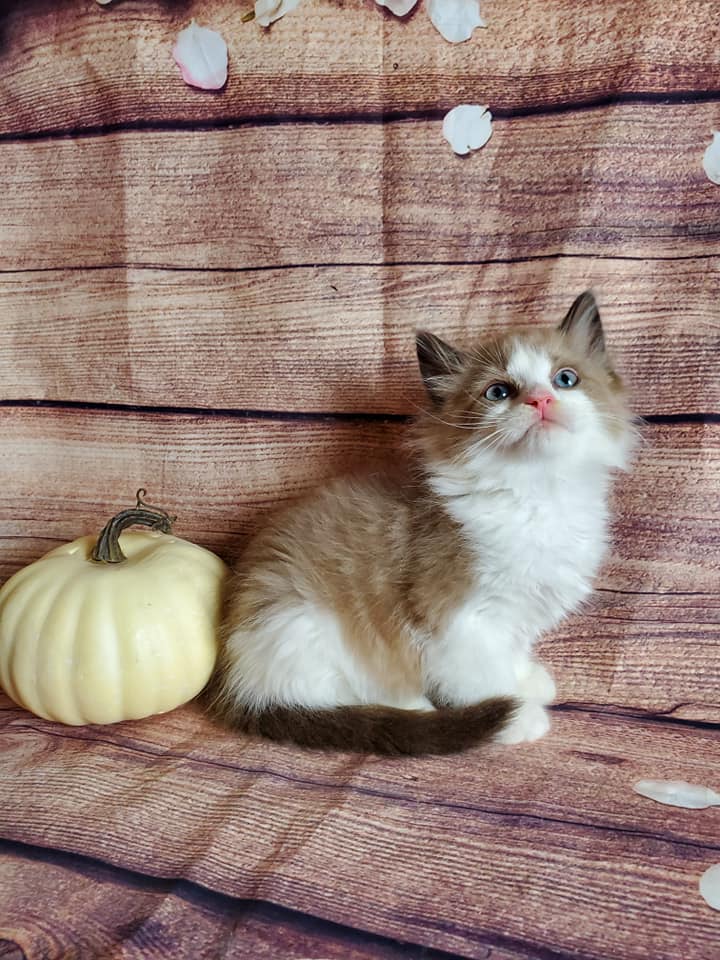
The Ragdoll is known for a large, balanced body, a semi-long coat, a broad head, and vivid blue eyes. The coat should feel soft and silky, with a full ruff and a plumed tail. Ragdolls mature gradually, and their substantial size may take several years to develop.
TICA’s breed description also recognizes familiar patterns such as colorpoint, mitted, and bicolor. Traditional Ragdoll colors include seal, blue, chocolate, lilac, red, and cream, along with combinations such as lynx and tortie. Color develops over time, particularly in young kittens, which means a kitten’s coat may become richer or more defined as it grows.
Temperament Beyond The Show Ring
Breed standards include more than physical traits. Ragdolls are valued for their calm, affectionate, and people-oriented nature. They often enjoy staying near their families, adapting to indoor life, and participating in gentle daily routines. Individual personalities vary, but early handling can help kittens become confident companions.
TICA recognition supports a consistent understanding of the breed, while a cattery’s daily practices shape a kitten’s early experience. Cage-free indoor housing, regular handling, household sounds, and positive interaction can all contribute to healthy social development. These experiences are particularly helpful when a kitten is intended to become a family pet or therapy cat.
Health, Testing, And Responsible Breeding
Maintaining breed quality requires attention to health as well as appearance. Ragdoll breeders commonly consider inherited concerns such as hypertrophic cardiomyopathy, or HCM, a disease affecting the heart muscle. DNA screening can identify known genetic risk variants, but it does not replace veterinary examinations or cardiac evaluation.
A responsible program may also screen for FIV, FeLV, and feline heartworm disease as part of broader preventive care. These tests address the health of individual cats and the safety of the breeding environment. TICA registration itself is not a health certification, so prospective families should ask for clear records and learn what testing has been performed.
| Ragdoll quality | What TICA standards help define | What families should also review |
|---|---|---|
| Body and structure | Size, balance, bone, head shape, and overall proportion | Growth history, mobility, veterinary examinations |
| Coat and pattern | Semi-long texture, pointed coloring, and accepted patterns | Grooming needs, coat condition, shedding expectations |
| Eye color | Clear blue eyes associated with the breed | Eye health and routine veterinary care |
| Temperament | A calm, affectionate breed type | Daily socialization, handling, and home environment |
| Pedigree | Documented ancestry and breed identity | Parent information, contracts, and registration details |
| Health responsibility | A framework for ethical breeding expectations | HCM screening, infectious disease testing, and wellness records |
How Shows Reinforce Breed Consistency
TICA cat shows give breeders an opportunity to compare their cats with the written standard under experienced judging. Judges assess structure, coat, color, pattern, condition, and presentation. These evaluations can help breeders recognize strengths in their lines and identify areas that deserve thoughtful attention.
Show success should not be treated as the only measure of a good Ragdoll. A kitten’s suitability as a companion depends on health, confidence, behavior, and compatibility with its future household. The show ring supports breed preservation, while careful home raising determines how a kitten begins life with its adopting family.
What Registration Means For Adopting Families
When a cattery is TICA-registered, families can expect a connection to a recognized pedigree system and established breed information. They can use the registry’s resources to learn about Ragdoll traits, accepted colors, registration categories, and the difference between a pet-quality and show-potential kitten.
Registration should be considered alongside transparency. A reputable breeder should explain the kitten’s health history, vaccination and deworming schedule, contract terms, spay or neuter expectations, and transition plan. Families should also be able to understand how kittens are raised. An indoor, cage-free setting with daily human contact offers useful insight into the breeder’s priorities.
Practical Steps For Choosing A Ragdoll Breeder
Families searching for a Ragdoll kitten can use TICA information as a starting point, then evaluate the cattery in greater detail. The following steps help connect breed standards with responsible adoption:
- Verify the cattery’s TICA registration and request pedigree information when available.
- Ask which screenings have been completed for HCM, FIV, FeLV, and other relevant health concerns.
- Look for kittens raised indoors with regular handling, enrichment, and age-appropriate veterinary care.
- Review the adoption contract, health guarantee, registration terms, and support offered after placement.
- Choose a breeder who discusses temperament and family fit rather than focusing only on color or markings.
At Ragdoll Kittens Cattery, TICA’s framework complements a personal approach to raising limited litters in Helena. Families interested in a purebred Ragdoll can review available kittens, ask about health and socialization, and learn which kitten may be best suited for a loving home or therapy role. Reach out to begin the adoption conversation and discover how responsible breed preservation supports a healthy, affectionate companion.