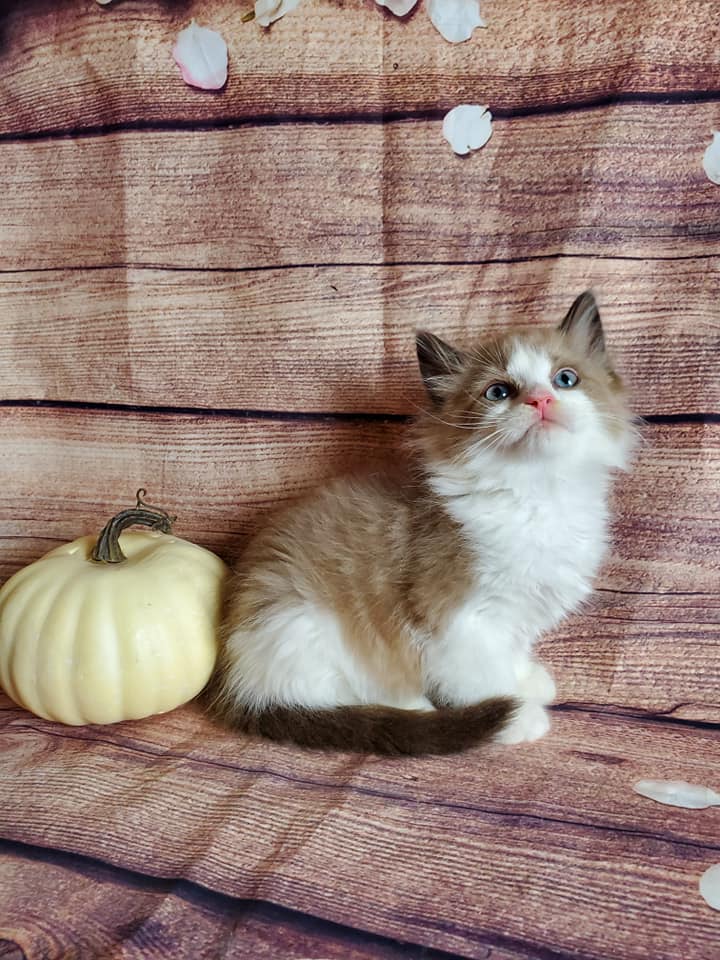
Choosing the right water fountain for your Ragdoll cat
Ragdolls are famously gentle, but their calm nature can hide everyday health needs, particularly when it comes to drinking enough water. These large, semi-longhaired cats were developed from queens known for their docile temperament, and many owners find their pets prefer a dripping tap over a still bowl. A dedicated water fountain is often the simplest way to nudge a Ragdoll toward better hydration without turning mealtimes into a struggle.
Across Australia, indoor cats live in everything from inner-city Sydney apartments to weatherboard homes in Hobart, and the local climate shapes how much your Ragdoll needs to drink. Choosing the right fountain comes down to matching your cat's habits, your home, and the Australian market, from stock availability to filter costs.
Why Ragdolls need encouragement to drink
Ragdolls are a larger, slower-maturing breed with a thick coat and a relaxed personality that can mask early signs of dehydration. In Australia's hot summers, even a Melbourne terrace or a Brisbane apartment can warm up quickly during a heatwave, pushing fluid needs higher than they would be in winter. Many owners notice their cats actively avoid still water and seek out a dripping tap instead.
Veterinarians in Sydney, Perth, and regional New South Wales regularly warn that chronic mild dehydration contributes to urinary crystals and kidney stress in cats. Because Ragdolls are predisposed to certain cardiac conditions, keeping the kidneys well flushed is a sensible precaution supported by reputable breeders. Anyone researching the breed through resources like the about us page of a registered cattery will usually find hydration advice listed alongside other health notes.
The main fountain styles you will find
Most Australian retailers, from Petbarn and Pet Stock to stores in Adelaide, stock three designs. The first is a waterfall style, where water cascades down a ramp and is recirculated by a small pump. The second is a bubbling bowl with a central column that gently aerates the surface. The third is a ceramic or stainless-steel basin with a quiet pump and a replaceable carbon filter, often sold through online specialists such as Pet Circle.
Plastic models are cheap and lightweight but can develop hairline scratches that harbour bacteria over time. Ceramic and stainless-steel versions cost more upfront but are easier to scrub and keep sanitised, which matters when a Ragdoll dips a fuzzy paw into the bowl several times a day. Many coastal owners prefer non-plastic materials because hard water leaves less visible residue on glazed surfaces.
What to look for before you buy
Pump noise is the single biggest reason cats reject a fountain, so always check the decibel rating before purchase. A unit rated below 30 decibels is more likely to be accepted by a sensitive Ragdoll living in a calm home. Capacity matters too; a 1.5 to 2 litre reservoir is a sensible minimum for a single cat.
A quick checklist before you commit:
- Pump noise below 30 decibels for noise-sensitive cats
- Reservoir capacity of 1.5 to 2 litres for single-cat homes
- Replaceable charcoal filters with local stockist availability
- Dishwasher-safe parts to keep weekly cleaning realistic
Avoid fountains with hidden reservoirs, since an unseen water level is easy to forget on busy workdays. Test the unit for ten minutes before introducing your cat, so the water is already moving when your Ragdoll first investigates.
Side-by-side comparison of popular designs
Not every fountain suits every household, so it helps to line up the main options before choosing. The table below compares the three styles most commonly stocked by Australian retailers, based on average pricing and owner feedback from Brisbane, Melbourne, and Perth forums.
| Feature | Plastic waterfall | Ceramic bubbling | Stainless-steel basin |
|---|---|---|---|
| Typical price (AUD) | $40-$80 | $90-$160 | $120-$220 |
| Noise level | Moderate | Low | Very low |
| Filter type | Charcoal, monthly | Charcoal plus ion | Charcoal plus foam |
| Cleaning effort | Easy | Moderate | Easy |
| Lifespan | 1-3 years | 4-7 years | 5-10 years |
| Best for | Budget buyers | Style-conscious homes | Long-term investment |
Stainless-steel basins win long-term value comparisons but need a sturdy surface, which matters in rentals with particleboard benches. For a single Ragdoll in a small apartment, a ceramic bubbling bowl is often the sweet spot between price, noise, and style.
Where to buy and what to budget
Australian pet owners can pick up fountains from chain retailers, vet clinics, and online specialists. Prices range from around forty dollars for a basic plastic unit to over two hundred for a premium ceramic or stainless model. Filter replacements typically cost between fifteen and thirty dollars for a six-pack, so factor that recurring cost into your annual budget from the start.
If you live in Hobart, Darwin, or Cairns, local stock can be patchy and online ordering from the mainland is often the easiest option. Free shipping thresholds are usually reached with a single fountain, and most retailers deliver within three to seven business days.
Encouraging a fussy Ragdoll to use it
Place the fountain away from the food bowl and the litter tray, since cats instinctively avoid water sources near contamination. A quiet tiled corner of the laundry or a hallway nook works well in most Aussie homes. Add a few ice cubes on a forty-degree day and your Ragdoll will often investigate the new object out of curiosity.
A simple routine to get your cat started:
- Sprinkle a little tuna water on the ramp for the first three days
- Wipe the basin daily, even when it looks clean
- Run a full clean with a pet-safe descaler every fortnight
- Switch to a different fountain style if interest fades after two weeks
If your cat ignores the fountain for a week, the tuna trick usually wins them over. Hard water in Adelaide leaves limescale quickly, so a monthly vinegar rinse keeps the pump humming.
Keeping the fountain running safely
Unplug the unit before cleaning, and never submerge the pump body; the warranty rarely covers water ingress. Replace filters on schedule, since carbon loses effectiveness gradually and a tired filter will not strip odours from tap water. Check the cord weekly for chew marks, particularly if your Ragdoll shares the home with a kitten.
Rinse the basin with warm water only, avoiding detergents that leave a residue cats can smell. A spare set of filters on hand means you will never be tempted to run the fountain past its change date, the single easiest habit that protects kidney health over time.
A simple two-week trial is usually enough to know whether a particular fountain suits your Ragdoll. Set it up where your cat already investigates, top it up at the same time each morning, and watch the water level drop; if it falls, the investment has paid for itself in better hydration over the years.