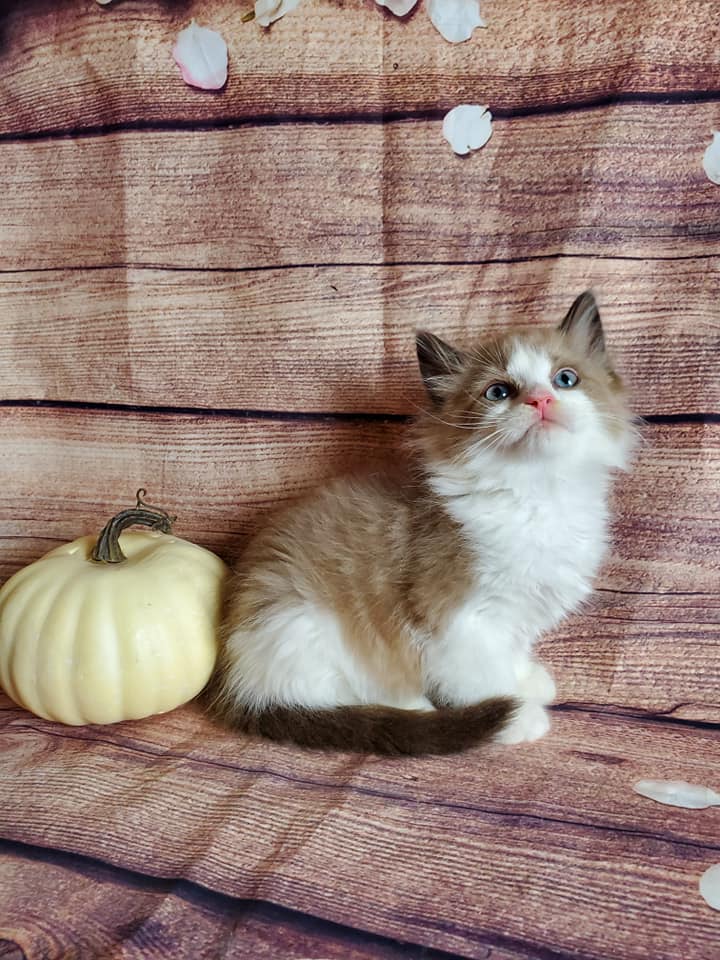
The Truth About Ragdoll Cats and Allergies
Ragdoll cats are often described as gentle, affectionate, and easygoing companions. Their plush, semi-long coats can lead people to assume they are either highly allergenic or, conversely, naturally hypoallergenic. Neither assumption is completely accurate.
Cat allergies are caused primarily by proteins, especially Fel d 1, rather than by fur itself. This protein is found in a cat’s saliva, skin oils, and skin flakes, then spreads onto the coat during grooming. Every cat produces allergens, although the amount can differ significantly from one individual to another.
For families considering a Ragdoll kitten, understanding the source of allergic reactions is more useful than relying on breed myths. Time spent with specific cats, careful household preparation, and realistic expectations can help determine whether adoption is a good fit.
Why Cat Allergies Happen
Fel d 1 is the main allergen associated with cats. When a cat licks its coat, saliva deposits the protein on the fur. As the saliva dries and microscopic skin flakes shed, allergens can become airborne or settle on furniture, bedding, clothing, and flooring.
People may react to dander, saliva residue, or particles carried through the home. Symptoms can include sneezing, nasal congestion, itchy or watery eyes, coughing, skin irritation, and asthma flare-ups. The severity depends on the person, the amount of allergen present, and the length of exposure.
A cat’s coat color, sex, and hair length do not provide a reliable guarantee of allergy tolerance. Long fur may collect and distribute more allergen around a home, but trimming or shaving a cat does not remove the proteins produced by its body.
Are Ragdolls Hypoallergenic?
Ragdolls are not a hypoallergenic breed. Their soft, semi-long coats can shed, and they still produce Fel d 1 like other domestic cats. Some individuals may trigger fewer symptoms than others, but this is an individual difference rather than a dependable Ragdoll breed trait.
Ragdolls are known for their calm temperaments and close bonds with people, which often means they spend plenty of time on laps, beds, and upholstered furniture. That affectionate behavior can increase a sensitive person’s contact with allergens even when visible shedding appears modest.
A person who tolerates one Ragdoll may react to another. Allergies can also change over time, so a brief visit is informative but not an absolute prediction. Anyone with asthma or a history of severe reactions should consult an allergist before bringing a cat home.
Fur, Grooming, And Allergen Exposure
Ragdolls typically have a silky coat with less dense undercoat than some other long-haired breeds. This may reduce matting and make grooming manageable, but it does not make the cat allergen-free. Regular brushing removes loose hair and helps keep the coat healthy; it does not stop Fel d 1 production.
Daily grooming may be best handled by a non-allergic household member. Washing hands after petting, keeping the cat away from pillows, and changing clothing after extended cuddling can reduce the transfer of allergens. Frequent vacuuming with a HEPA-filter machine and laundering soft furnishings can also help.
Bathing a cat may temporarily reduce allergen on the coat, but many cats find it stressful and the effect does not last. A consistent cleaning routine is generally more practical than repeated baths. Keep grooming gentle and use products recommended by a veterinarian.
Comparing Common Allergy Expectations
| Factor | What It May Mean | What It Cannot Guarantee |
|---|---|---|
| Semi-long Ragdoll coat | Requires regular brushing and may carry allergens | That the cat is hypoallergenic |
| Individual cat | Some cats may produce or spread fewer allergens | That all Ragdolls will be tolerated |
| Male or female sex | Hormonal status can influence allergen levels in some cats | A completely allergy-safe choice |
| Frequent cleaning | Can lower allergen buildup in the home | Elimination of symptoms |
| Limited exposure | Helps reveal an immediate reaction | Predicting long-term tolerance |
| Allergy medication | May ease symptoms for some people | Permission to ignore serious asthma or medical advice |
Meeting A Ragdoll Before Adoption
Spending time with the exact kitten or adult cat is one of the most useful steps. A short visit may reveal immediate symptoms, but longer contact is more informative because reactions can develop after several hours or repeated exposure. Handle the cat, sit in a room where cats live, and notice how your body responds later that day.
If possible, repeat the visit before making a decision. Ask whether the cat lives indoors, how often it is brushed, and whether it regularly interacts with people. A small, family-based environment can provide a more realistic picture of the cat’s coat, behavior, and daily allergen exposure than a brief encounter in an unfamiliar setting.
Ragdoll Kittens Cattery in Helena, Montana, raises kittens indoors in a cage-free family setting and handles them daily. That environment can help prospective adopters observe their personalities and normal interactions. It remains important for each allergic household to assess its own response rather than treating socialization or breed reputation as a medical guarantee.
Creating A More Allergy-Friendly Home
Before adoption, prepare the rooms where the cat will spend time. A bedroom can remain a low-allergen zone, especially for someone who needs uninterrupted sleep. Hard flooring is easier to clean than thick carpet, and washable throws can protect favorite chairs and sofas.
Useful steps include:
- Use a HEPA air purifier in the bedroom and main living area.
- Vacuum floors and upholstery regularly with a sealed HEPA vacuum.
- Wash cat bedding, blankets, and removable covers on a routine schedule.
- Keep litter boxes clean and place them away from sleeping and eating areas.
- Wash hands after handling the kitten and avoid touching the face immediately afterward.
These measures can reduce exposure, but they cannot remove every allergen. If symptoms persist, an allergist can discuss testing, medication, immunotherapy, and asthma safety. Medical advice is especially important for children or adults with wheezing, chest tightness, or previous severe reactions.
Health And Allergy Decisions Are Different
Health screening and allergy tolerance address separate concerns. Responsible breeders may screen for conditions such as hypertrophic cardiomyopathy, FIV, FeLV, or feline heartworm disease, supporting the kitten’s overall welfare. Those tests do not determine whether a person will react to the cat’s allergens.
A healthy, well-socialized kitten can still trigger substantial symptoms in an allergic family member. Likewise, a person may tolerate a particular cat while reacting strongly to another. Adoption decisions should therefore consider temperament, health records, household routines, and allergy response together.
Ragdolls can be wonderful companion or therapy cats because of their affectionate, steady nature. Yet a therapy setting may expose the cat and handler to many people with different sensitivities. Families should consider the intended role carefully and make sure the cat’s welfare and the people’s health needs can both be supported.
If a Ragdoll kitten is part of your plans, arrange a thoughtful visit, discuss your household’s needs with the cattery, and speak with a medical professional when allergies are significant. Contact Ragdoll Kittens Cattery to learn about available kittens, health information, colors, markings, and the steps for finding a compatible family companion.