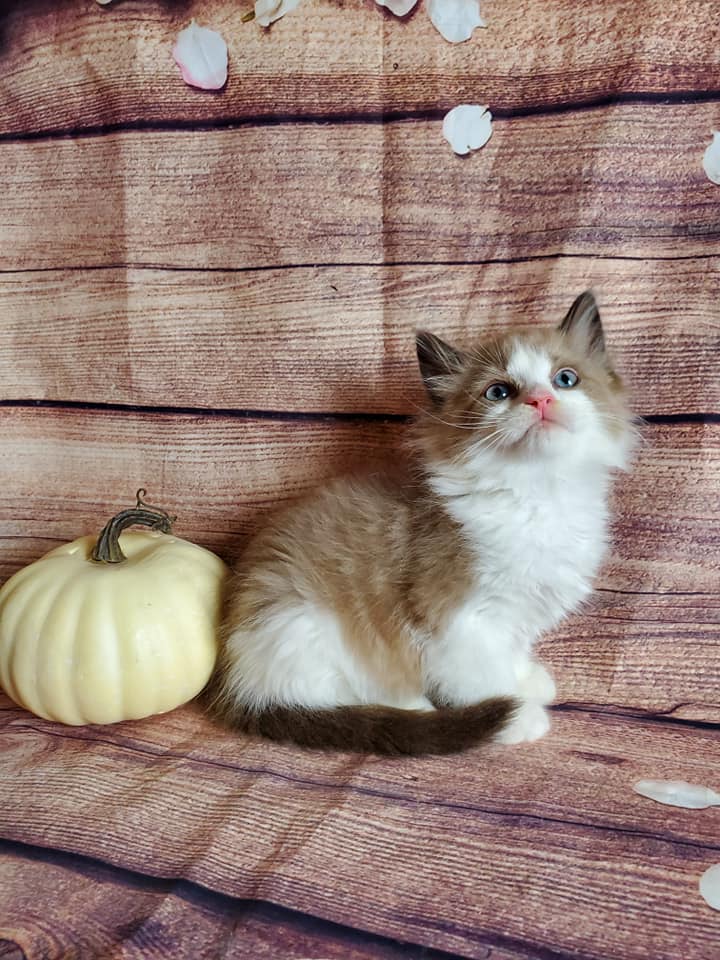
Ragdoll adoption contracts for Australian families
Understanding the adoption contract for Ragdolls is less about the pedigree and more about shared expectations. The agreement identifies the kitten, records the price and payment schedule, explains health commitments, and sets rules for ownership, breeding, transport and rehoming. It also gives both parties a written record if something changes.
Ragdoll Kittens Cattery is a small, TICA-registered hobby cattery in Helena, Montana. Its kittens are raised indoors in a cage-free family environment and handled daily for socialisation, with health screening stated to include HCM, FIV, FeLV and feline heartworm disease. For Australian families, these details should sit within a clear contract covering the international journey and the kitten’s ongoing care.
What the paperwork should settle
An adoption contract is the governing agreement between the buyer and the cattery. Other documents support it rather than replace it.
| Document | Main purpose | Key points to verify |
|---|---|---|
| Adoption contract | Sets the placement terms | Kitten identity, price, deposits, health commitments, transfers and return conditions |
| Payment receipt | Confirms money received | Amount paid, outstanding balance, payment method and refund or credit terms |
| Health and veterinary records | Documents care and testing | Test dates, results, vaccinations, parasite treatment and microchip details |
| Pedigree and identity papers | Record ancestry and markings | Parents, TICA information, registered name and matching identification |
A receipt is not a substitute for the contract, while pedigree papers do not describe the kitten’s medical history. Before paying, check that the names, dates and identifying details agree across every document.
Health guarantees and everyday care
Health wording should be precise. Ragdoll Kittens Cattery’s stated screening for hypertrophic cardiomyopathy, FIV, FeLV and feline heartworm disease is meaningful, but no test can guarantee that a kitten will never become ill. The records should show which screening method was used, the kitten’s age when tested, the veterinary practice involved and any follow-up advice.
The contract should also distinguish a health assurance from an absolute warranty. A reasonable clause identifies covered conditions, the period for reporting concerns, required veterinary evidence, refund or remedy options, and exclusions such as injury, neglect or an unrelated illness. Ask whether HCM screening involved genetic testing, cardiac imaging or both, because each provides different information.
Socialisation and environmental claims belong in the records too. Cage-free, family-raised kittens that are handled daily should have that commitment stated clearly, including whether it applies until pickup. These habits support a confident kitten, although they cannot guarantee a particular adult temperament. Any placement as a pet or therapy cat should also be identified accurately in the agreement.
Clauses to check before signing
Legal wording should be plain, specific and consistent with what the seller has promised.
- Deposit and refund terms: State the amount in Australian dollars, when the balance is due, whether the deposit is refundable and how any credit or refund will be processed.
- Health assurance: Define covered conditions, reporting deadlines, supporting veterinary evidence and available remedies rather than using broad phrases such as “fully guaranteed healthy”.
- Ownership and breeding: Record whether the kitten is sold sterilised, intact or with breeding rights. Pedigree transfer, naming rights and any restriction on commercial breeding should be explicit.
- Returns and rehoming: Explain who arranges transport, who pays veterinary costs, what documentation is needed and what happens if the buyer can no longer keep the kitten.
- Governing law and disputes: Identify the applicable law, jurisdiction and process for resolving disagreements, including whether electronic signatures and emailed copies are accepted.
Definitions matter as much as the clauses. Terms such as “placement”, “deposit”, “health assurance”, “sterilised” and “transfer” should have one clear meaning throughout the agreement. Any blank space should be completed before the contract is signed.
Australian legal and travel realities
Australian consumer law can apply when a pet is sold in the course of a business. Most cat sales do not receive an automatic statutory cooling-off period, although a cattery may offer one voluntarily. A contract cannot waive mandatory protections concerning misleading statements, defective goods or unfair terms. Australian buyers often expect words such as “deposit”, “refund” and “cooling-off period” to be explained plainly rather than buried in legal language.
Payment arrangements should account for exchange rates and international transfers. A buyer may pay a deposit in AUD, while the cattery records the balance in US dollars, with a stated exchange-rate date or fee. Domestic travel also needs planning: a flight from Melbourne to Perth, Sydney to Darwin or a road transfer to regional Victoria can involve temperature limits, airline schedules and specialist pet transport. The contract should allocate responsibility if a flight is delayed or rescheduled.
Because the cattery is in Montana, importing a kitten into Australia involves federal biosecurity requirements administered by the Department of Agriculture, Fisheries and Forestry. Depending on current conditions, this may include a BICON import permit, veterinary certification, microchipping, vaccination and post-entry quarantine. Australian state and council requirements also apply after arrival, including registration, desexing and microchip rules. Buyers seeking pedigree breeding rights should confirm how TICA documentation will be handled alongside the relevant Australian state cat body.
Signing with a complete understanding
Red flags include blank dates, undefined health claims, pressure to pay before receiving the contract, and promises made only in conversation or by social message. If the contract conflicts with the cattery’s website, the signed agreement should resolve the discrepancy clearly, with the final wording attached to the payment receipt.
Allow time to compare the kitten’s identity, pedigree, health results, payment schedule and travel provisions. Electronic signatures are acceptable when both parties receive the same final document, but a readable copy should still be stored. Veterinary advice may also help interpret health testing, particularly when a clause appears broad or ambiguous.
The next concrete step is to obtain the current contract and supporting records, complete every blank and confirm the refund and health terms in writing before transferring funds.