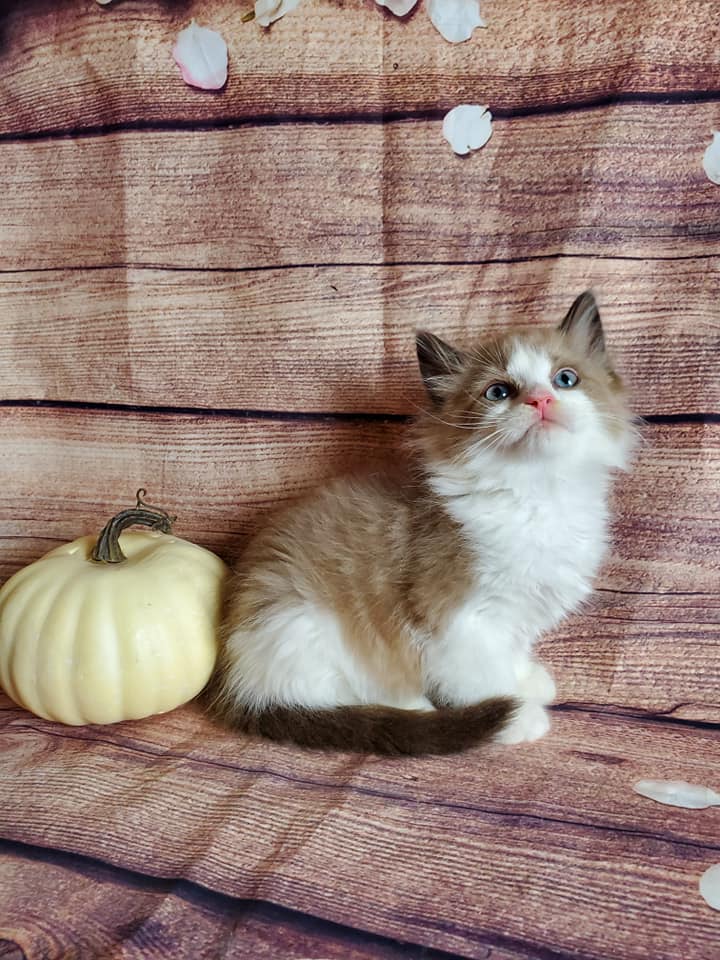
What a ragdoll cat's blue eyes reveal about health and heritage
The Ragdoll breed is famous for its piercing sapphire eyes, a hallmark that sets these gentle cats apart from nearly every other domestic breed. While the striking blue colour captivates admirers from Sydney to Perth, those same eyes can also serve as a window into a cat's overall wellbeing. Understanding the genetics, variations, and warning signs behind those luminous eyes helps owners and prospective adopters make informed decisions about care and health monitoring.
In Australia, where indoor cat ownership is encouraged under frameworks like the ACT's cat containment legislation and similar reforms in Victoria and Tasmania, paying close attention to subtle changes in eye appearance is especially practical. Since Ragdolls are typically kept inside, any shift in eye clarity, moisture, or colour often becomes noticeable earlier than in outdoor cats living across Brisbane's humid suburbs or Adelaide's dry plains.
The genetics behind the sapphire gaze
The reason every purebred Ragdoll has blue eyes lies in the colourpoint gene, a recessive allele that affects pigmentation throughout the body. This same gene controls the distribution of colour in the coat, ears, face, paws, and tail, while suppressing pigment production in the iris. Because the gene is linked to the points, the blue remains vivid and is not diluted by other coat patterns.
Breeders registered with bodies like TICA carefully track these genetics to predict the intensity of blue a kitten will retain into adulthood. Kittens are always born with blue eyes, and the depth of colour usually stabilises between eight and twelve weeks of age. For Australian families looking at litters advertised in Melbourne or on the Gold Coast, this is the typical window when reputable breeders begin matching kittens with approved homes.
Shades of blue and what they mean
Not all Ragdoll blues look identical. Some cats display a pale, icy hue, while others show a deep, almost violet shade that breeders describe as "aqua." These differences arise from variations in the surrounding coat genetics, such as the dilution of chocolate or lilac points, and do not generally indicate health differences on their own. A consistently bright, alert blue is a strong sign of vitality.
What does matter is symmetry. Both eyes should match in colour depth, and the pupils should dilate evenly in response to light. In homes across Hobart or Canberra where natural light shifts dramatically between seasons, owners can easily observe pupil response by simply moving a lamp closer or opening curtains. Any persistent asymmetry warrants a closer look from a feline veterinarian.
Health clues hidden in the eyes
The eyes can reveal more than vision quality. Cloudiness in the lens may suggest developing cataracts, though these are uncommon in young Ragdolls. More frequently, vets in suburban Sydney clinics notice a hazy blue film associated with corneal oedema or early-stage ocular inflammation. Discharge, whether clear, yellow, or green, often points to conjunctivitis or an upper respiratory infection, both of which respond well to early treatment.
Ragdolls are also predisposed to hypertrophic cardiomyopathy, and in rare cases, reduced blood flow from heart complications can manifest as dullness in the eyes or a slowed pupil response. While this is not a diagnostic tool, it forms part of the broader picture veterinarians consider during routine checks recommended by the Australian Veterinary Association. Regular wellness visits remain the most reliable way to catch subtle internal changes.
When blue eyes signal a problem
Some signs deserve prompt attention regardless of the season or location. Squinting, excessive tearing, or a visible third eyelid are all worth noting. In Brisbane's subtropical climate, allergic reactions to grass pollen or dust mites can trigger eye irritation, sometimes mimicking more serious conditions. Vets typically differentiate between environmental causes and primary ocular disease through a simple examination.
Bushfire season, an annual reality across much of eastern Australia, can also leave indoor cats with irritated eyes from fine smoke particles that infiltrate homes even with windows closed. Keeping windows shut, using air purifiers, and wiping the corners of the eyes with a damp cloth can help. If redness or discharge persists, a visit to a local clinic, whether in Parramatta, Geelong, or Townsville, is the safest course.
Supporting eye health across Australian climates
Australia's diverse conditions mean Ragdoll owners should adapt care routines to their region. In Darwin and far north Queensland, intense UV exposure can accelerate age-related eye changes, so keeping cats indoors during peak daylight hours protects more than just the coat. In southern cities like Melbourne, where pollen counts spike in spring, regular gentle wiping of the eye area reduces allergen buildup.
Choosing a kitten from a breeder who screens parents for HCM, FIV, FeLV, and heartworm, as recommended by RSPCA Australia, provides a strong health foundation. Pet insurance from local providers such as PetSure or Knose can help cover unexpected ophthalmology referrals, which exist in most major capital cities. Pairing this with annual vet visits ensures that those famous blue eyes remain clear and healthy for years to come.
| Eye appearance | Possible cause | Recommended action |
|---|---|---|
| Bright, symmetrical, clear blue | Normal breed standard | Routine annual check |
| Pale or slightly washed-out blue | Normal variation or ageing | Monitor for changes |
| Cloudy or hazy film | Cataracts, corneal oedema, infection | Schedule vet visit |
| Yellow, green, or thick discharge | Conjunctivitis, respiratory infection | Prompt vet appointment |
| Red, swollen, or squinting | Allergies, injury, uveitis | Same-day vet assessment |
| Visible third eyelid | Illness, dehydration, pain | Vet visit within 24 hours |
| Unequal pupil size | Neurological or cardiac concern | Urgent vet evaluation |
A Ragdoll's blue eyes are far more than a beautiful feature. They reflect generations of careful breeding and offer ongoing insight into a cat's wellbeing. Watching for changes, choosing a health-tested kitten from a reputable Australian breeder, and maintaining regular vet care form the simplest path to keeping those sapphire eyes bright throughout a long, healthy life.