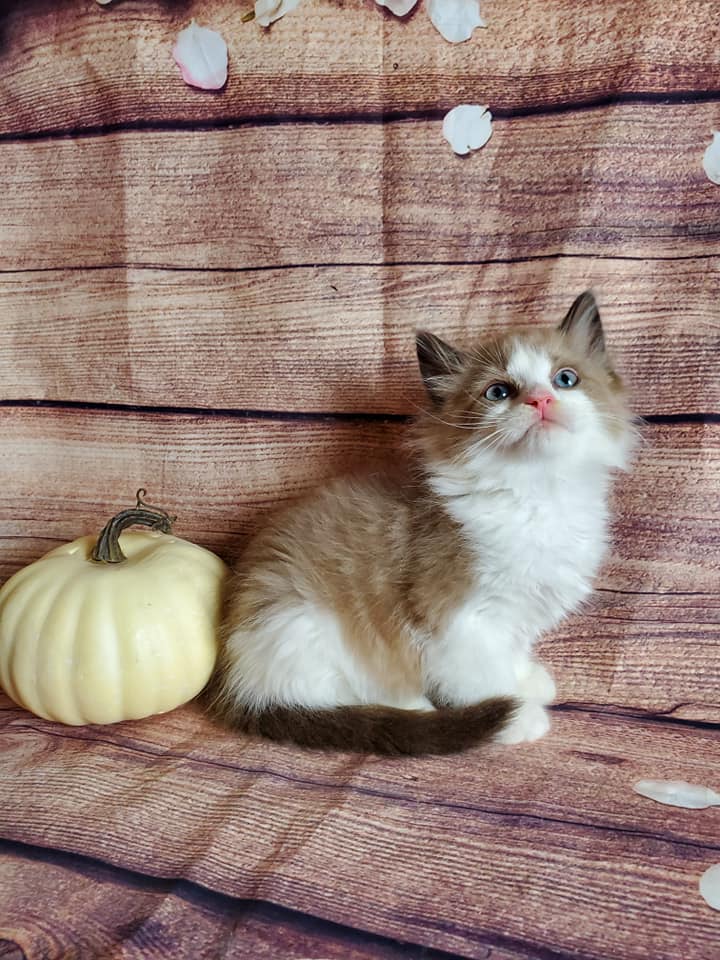
Understanding the Ragdoll Cat’s Temperament and Personality
Ragdoll cats are known for their relaxed presence, affectionate nature, and strong connection with the people around them. Their calm behavior often makes them wonderful household companions, but their personality is more nuanced than a simple reputation for being easygoing.
A well-socialized Ragdoll may greet family members at the door, follow someone from room to room, or settle nearby during quiet activities. Many enjoy being held, though each cat has personal preferences about how much physical contact feels comfortable.
Temperament develops through both inherited traits and early experiences. Daily handling, a stable home, thoughtful breeding, and respectful care can all help a kitten grow into a confident, friendly adult.
A Gentle, People-Oriented Nature
Ragdolls are often described as people-oriented cats because they tend to enjoy companionship without demanding constant attention. They may sit beside a person, rest at their feet, or quietly observe household routines. This close-but-calm style suits families looking for an affectionate companion with a moderate energy level.
Their friendly personality does not mean every Ragdoll behaves identically. Some are outgoing and eager to meet visitors, while others need a little time to adjust to unfamiliar people. A relaxed approach gives a shy kitten space to investigate at its own pace and helps trust develop naturally.
For a broader look at physical features, behavior, and care needs, these Ragdoll breed traits offer useful context when considering the breed as a companion.
How Ragdolls Communicate
Ragdolls often communicate through soft vocalizations, body language, and proximity. Instead of loud, persistent cries, many use gentle chirps, trills, or short meows to announce that they want attention, food, or interaction. Their communication style can be expressive without becoming overwhelming.
Watch the whole body rather than focusing only on sound. A raised tail may signal friendly interest, while slow blinking can indicate comfort. Ears turned sideways, a tucked posture, or sudden hiding can suggest that a cat needs more space. Learning these signals makes everyday interaction more rewarding and prevents accidental overstimulation.
Some Ragdolls are content to lounge for long periods, but they still benefit from play and mental enrichment. Wand toys, puzzle feeders, climbing areas, and brief training sessions can support both physical health and emotional well-being.
Personality In Everyday Life
The breed’s mellow reputation often shows itself in ordinary routines. A Ragdoll may enjoy following a trusted person, watching activity from a window, or relaxing in the same room as the family. Many adapt well to indoor living when they have comfortable resting places, predictable care, and opportunities to play.
| Temperament Trait | How It May Appear | Helpful Support |
|---|---|---|
| Affectionate | Seeks nearby companionship or gentle petting | Offer attention while respecting boundaries |
| Adaptable | Adjusts to household routines over time | Keep meals, rest, and play reasonably predictable |
| Playful | Chases toys and explores new objects | Rotate safe toys and provide interactive play |
| Sensitive | Becomes cautious with noise or sudden changes | Provide quiet retreats and gradual introductions |
| Social | Enjoys family presence and familiar visitors | Include the cat in calm daily activities |
A Ragdoll’s calm behavior should not be mistaken for a lack of curiosity. Young cats can be playful, athletic, and mischievous, especially during their kitten months. Their activity may become more measured with age, but regular enrichment remains important.
Socialization Builds Confidence
Early socialization helps kittens learn that handling, household sounds, grooming, and gentle changes are safe. A kitten raised in a family environment may experience ordinary sights and sounds such as vacuum cleaners, conversations, visitors, and different surfaces. These experiences can support a balanced response to new situations.
Handling should always be positive and age-appropriate. Short sessions with calm touch, followed by play or rest, teach a kitten that human interaction is predictable. This is especially valuable for families hoping to welcome a therapy cat, since a therapy prospect needs patience, emotional steadiness, and comfort around appropriate human contact.
Socialization does not erase individual temperament. It gives a kitten useful tools for coping with life. A naturally reserved Ragdoll may remain thoughtful around strangers while still becoming deeply affectionate with familiar people.
Family Fit And Individual Differences
Ragdolls can be a good match for many homes, including families with older children who understand how to handle animals gently. They may also live comfortably with respectful dogs or other cats when introductions are gradual and each pet has separate resources. A calm home is not essential, but a household that recognizes feline boundaries is especially helpful.
Families should consider time, supervision, grooming, and companionship needs before adoption. Ragdolls often enjoy being included in daily life, so they may not thrive when left alone for long periods without enrichment. Their people-focused nature makes regular interaction an important part of responsible ownership.
Individual differences matter when choosing a kitten. The most playful kitten in a litter may suit an active household, while a quieter kitten may prefer a peaceful home. Careful observation and guidance from an experienced cattery can help connect each kitten with an appropriate family.
Nurturing A Balanced Companion
A secure Ragdoll personality grows through consistent care rather than forced affection. Provide safe places to retreat, allow the cat to approach at its own pace, and reward calm behavior. Health screening and attentive veterinary care also support a kitten’s comfort, since pain or illness can affect mood and social behavior.
Helpful ways to encourage confidence include:
- Offer daily interactive play followed by quiet rest.
- Introduce visitors, grooming, carriers, and household sounds gradually.
- Use gentle handling and stop when the kitten shows discomfort.
- Provide scratching posts, elevated resting spots, and cozy hiding areas.
- Keep meals, litter care, and bedtime routines consistent.
As trust grows, many Ragdolls become devoted companions with a steady, affectionate presence. Their personality is best appreciated as a combination of breed tendencies, early social experiences, and the unique character of the individual cat.
Explore available kittens and learn how a carefully raised Ragdoll may fit into your household. A thoughtful adoption process can begin with understanding the kitten’s temperament, health background, and ideal family setting.