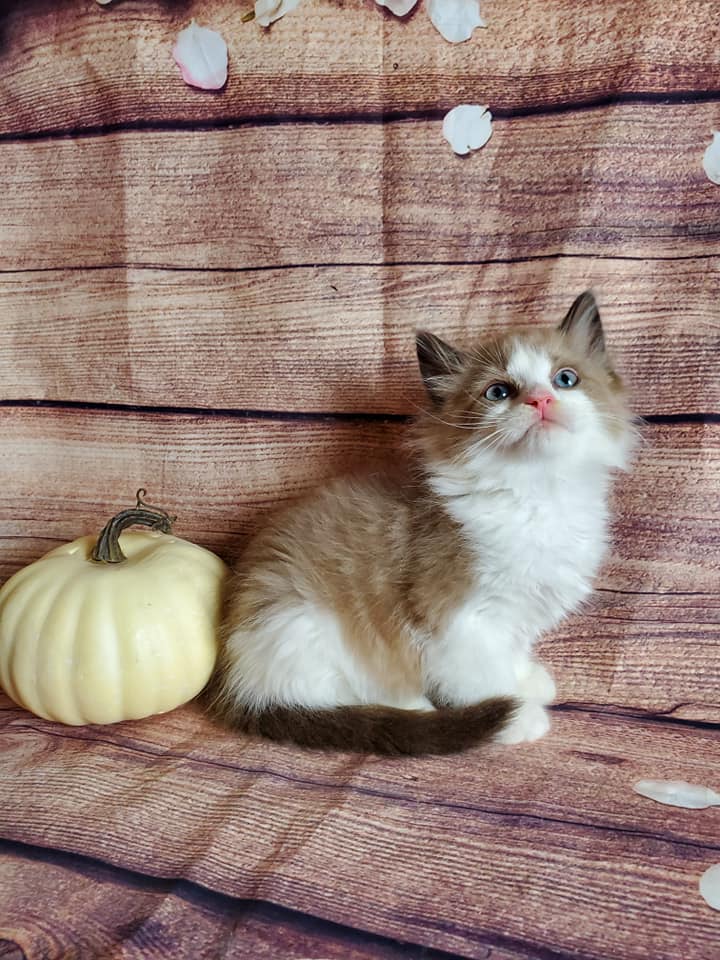
Understanding the Ragdoll’s Slow Maturity: When Do They Grow Up?
Ragdoll cats are famous for their gentle personalities, striking blue eyes, and substantial size. They are also known for developing at a slower pace than many other domestic cats. A Ragdoll kitten may look grown before reaching full physical maturity, while its body, coat, and relaxed adult temperament continue developing for several years.
For families preparing to adopt, this extended growth period is an important part of the breed’s appeal. The playful kitten stage lasts longer, and gradual development gives owners time to watch a distinctive personality unfold. At Ragdoll Kittens Cattery in Helena, Montana, kittens are raised indoors in a cage-free family environment, handled daily, and introduced to ordinary household experiences.
Understanding the breed’s growth timeline helps families plan nutrition, veterinary care, exercise, and expectations. It also clarifies why a young Ragdoll may be large but still behave like an energetic, curious kitten.
Why Ragdolls Mature Slowly
Ragdolls are a large, slow-maturing breed. Many cats reach their adult size within the first year, but Ragdolls commonly continue filling out until they are around three to four years old. Some males may take even longer to reach their full weight, muscle development, and broad adult frame.
Genetics play a major role in this extended timeline. A Ragdoll’s body is built for gradual development, with a substantial bone structure, long torso, full ruff, and plush semi-longhaired coat. Rapid weight gain is not the goal; steady growth supported by appropriate nutrition is healthier for joints and overall development.
Growth From Kittenhood To Adulthood
During the first several months, Ragdoll kittens focus on basic physical growth, coordination, and social learning. They become more confident with climbing, playing, grooming, and exploring. Their limbs may appear slightly oversized as they grow in stages, so temporary awkwardness is normal.
From six months to roughly two years, a Ragdoll often becomes longer, taller, and more athletic before developing its full adult substance. The chest may broaden, the head may become more defined, and the coat may gain density. A cat in this stage can look nearly mature while still having considerable growing ahead.
By three or four years, many Ragdolls have reached their adult proportions. Males often develop a heavier build and more pronounced ruff, while females may remain somewhat smaller and finer-boned. Individual genetics, sex, diet, activity, and health all influence the final result.
Coat Color And Markings Keep Developing
Ragdoll kittens are born white or nearly white because their color-point pattern is temperature-sensitive. As they grow, cooler areas such as the ears, face, legs, and tail gradually develop darker color. This process continues through kittenhood and may deepen as the cat ages.
The final appearance may take time to reveal itself. Seal, blue, chocolate, lilac, flame, and tortie shades can become richer over the first few years. Mitted, colorpoint, and bicolor markings also become easier to appreciate as the coat grows and changes.
Seasonal coat changes can affect how a young Ragdoll looks from one month to the next. A kitten may have a lighter summer coat and a fuller winter coat, making its color and body shape appear different without signaling a health problem.
Physical Growth And Health Support
A growing Ragdoll needs a complete, age-appropriate diet rather than food designed to force rapid growth. Portion guidance should account for the kitten’s age, body condition, activity level, and veterinary recommendations. Fresh water, regular play, and safe climbing opportunities support healthy muscles and coordination.
Routine veterinary care is especially important while a large-breed kitten is developing. Vaccinations, parasite prevention, dental observation, and weight checks help identify concerns early. Responsible breeding programs also screen parent cats for relevant conditions. Ragdoll Kittens Cattery emphasizes testing for HCM, FIV, FeLV, and feline heartworm disease; families can learn more about heartworm screening and why it is included in a thoughtful breeding program.
A healthy kitten should grow steadily rather than become noticeably overweight. Excess weight places additional stress on developing joints, so body condition is more useful than comparing a kitten’s weight with an average chart. A veterinarian can help distinguish normal breed development from a nutritional or medical concern.
What To Expect At Each Age
| Age Range | Typical Development | What Families May Notice |
|---|---|---|
| Birth to 12 weeks | Rapid learning, early coordination, social development | Increasing confidence, play, grooming, and interaction |
| 3 to 6 months | Length and coordination improve | High energy, climbing, curiosity, and changing point color |
| 6 to 12 months | Teen growth and personality formation | A larger body with continued kitten-like behavior |
| 1 to 2 years | Frame and coat continue filling out | More substance, stronger adult features, steady confidence |
| 2 to 4 years | Gradual physical and emotional maturity | Fuller coat, broader build, and a settled adult temperament |
These age ranges are useful guidelines rather than strict deadlines. Some Ragdolls mature earlier, while others remain playful and physically unfinished well beyond their second birthday. A calm adult temperament may appear gradually, with confidence increasing as the cat gains experience.
Sexual maturity can occur before full physical maturity. Discuss spaying or neutering with a veterinarian, who can recommend timing based on the kitten’s health, size, and individual needs. Altered cats still require careful nutrition and regular activity during the remaining growth period.
Behavior Changes With Age
Young Ragdolls are often affectionate but active. Their reputation for being calm does not mean every kitten will spend the day quietly resting. Chasing toys, racing through the home, climbing cat trees, and investigating new sounds are normal parts of development.
As they mature, many become more predictable and settled while keeping their friendly nature. They may seek laps, follow family members from room to room, or greet visitors with quiet curiosity. Early daily handling and positive household experiences can support this confident temperament.
Ragdolls can also be sensitive to abrupt changes. Consistent routines, gentle interaction, scratching posts, and interactive play help a young cat feel secure. For families considering a therapy companion, emotional steadiness matters as much as appearance, so maturity should be assessed as an individual trait rather than assumed from breed reputation.
Supporting A Healthy Long Growth Period
Families can make the extended kitten stage easier and safer with a few practical habits:
- Schedule regular veterinary examinations and track weight without encouraging rapid gain.
- Feed a complete diet recommended for the kitten’s life stage and body condition.
- Provide sturdy scratching posts, climbing spaces, and daily interactive play.
- Brush the developing coat gently and begin grooming routines early.
- Use gradual introductions when adding new people, pets, sounds, or household spaces.
The best sign of healthy maturity is steady progress: an alert kitten with good appetite, clear eyes, comfortable movement, a clean coat, and an increasingly confident personality. Any sudden weight change, persistent lethargy, breathing difficulty, or altered behavior deserves prompt veterinary attention.
Ragdoll growth is a long, rewarding process rather than a quick transition from kitten to adult. Families interested in welcoming a well-socialized companion can explore the available adoption information at Ragdoll Kittens Cattery and contact the cattery to discuss current or upcoming kittens suited for a loving home or therapy role.