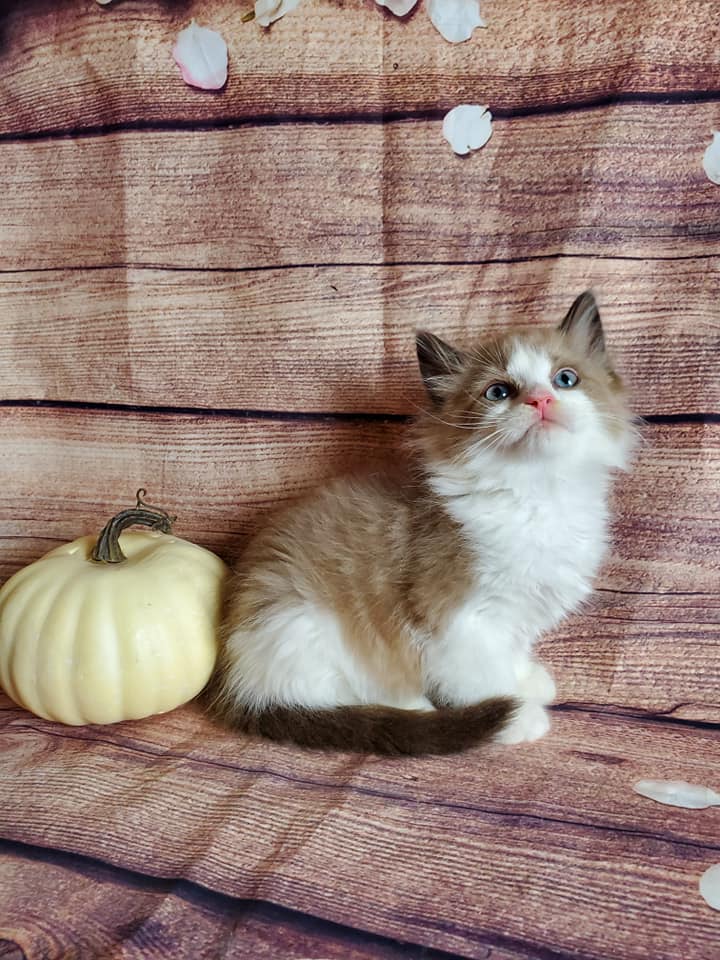
What It Means When a Ragdoll Goes Limp in Your Arms
A Ragdoll that relaxes completely while being held can seem almost boneless. Its body may stretch across your arms, its muscles may soften, and its head may rest heavily against your chest. This deeply relaxed response is one reason the breed is known for being affectionate and easy to handle.
The behavior is usually linked to trust, comfort, and a naturally calm temperament. However, a truly limp kitten or cat can also be showing weakness, pain, low blood sugar, breathing trouble, or another urgent medical problem. The setting, duration, and other symptoms matter.
Learning to distinguish relaxed “floppiness” from sudden loss of strength helps owners respond appropriately. Gentle observation is useful, but a concerning change should always be discussed with a veterinarian promptly.
Why Ragdolls Relax So Fully
Ragdolls often enjoy close contact and may settle deeply when lifted by someone they trust. A comfortable cat can release tension in its shoulders, legs, and back, allowing its body to drape over an owner’s forearms. Soft purring, half-closed eyes, and a relaxed tail usually support the interpretation that the cat is content.
This response is not a guarantee that every Ragdoll will become completely floppy. Individual personality, age, past handling, and current mood all influence how a cat reacts to being picked up. Some prefer to keep their paws supported and may become relaxed without going entirely limp.
Kittens raised with gentle, frequent handling may be more comfortable being held. In a family environment, daily positive interaction can help a young Ragdoll associate human arms with warmth, safety, and calm rather than restraint.
When A Limp Body Is Usually Normal
A relaxed Ragdoll generally remains responsive. It may open its eyes when spoken to, adjust its paws, purr, turn toward a familiar voice, or reposition its head. Its breathing should be quiet and regular, and the body should feel loose rather than rigid or painful.
The timing also provides clues. A kitten that gradually relaxes after play, feeding, or a nap is usually showing comfort. A cat that becomes soft only during cuddling and returns to normal immediately after being placed down is less concerning than one that suddenly loses strength during ordinary activity.
Support the entire body whenever you lift a Ragdoll. One hand should support the chest while the other supports the hindquarters. Even a calm cat can feel insecure if its back legs dangle, and a startled kitten may twist or jump unexpectedly.
Warning Signs That Change The Picture
Sudden limpness deserves more attention when it occurs outside normal cuddling or is accompanied by unusual behavior. Weakness, collapse, wobbling, confusion, pale or blue gums, repeated vomiting, seizures, or difficulty breathing require urgent veterinary guidance.
A kitten that feels cold, refuses food, cries weakly, or cannot keep its head up may be experiencing low blood sugar or another serious problem. Young kittens can deteriorate quickly, so waiting to see whether the episode passes may be unsafe.
| What You Notice | More Consistent With Relaxation | More Concerning |
|---|---|---|
| Response | Responds to voice or touch | Difficult to wake or unusually unaware |
| Breathing | Quiet and steady | Labored, fast, shallow, or open-mouth breathing |
| Muscle tone | Loose but able to move | Complete weakness, tremors, or rigid muscles |
| Gum color | Healthy pink | Pale, gray, blue, or yellow |
| Recovery | Normal immediately afterward | Ongoing weakness, collapse, or repeated episodes |
| Behavior | Calm, purring, comfortable | Hiding, crying, disorientation, or obvious pain |
If a limp episode follows a fall, injury, toxin exposure, or possible electrical shock, contact an emergency veterinary clinic. Do not force food, water, or medication into a weak or poorly responsive cat, because it may choke or aspirate.
How To Check A Limp Ragdoll Safely
Start by placing the cat on a stable, padded surface rather than continuing to carry it. Observe whether the chest rises evenly, whether the eyes track movement, and whether the cat can hold its head up. Speak softly and avoid repeated lifting while trying to determine what is happening.
Check the gums only if the cat is calm and you can do so safely. Pink, moist gums are generally reassuring, while pale, gray, blue, or very dry gums need urgent attention. Do not press, stretch, or manipulate a limb if the cat may be injured.
Note when the episode began, what the cat was doing beforehand, how long it lasted, and whether eating, exercise, heat, stress, or medication preceded it. A short video can help a veterinarian assess a recurring event, provided recording does not delay emergency care.
Health Screening And Responsible Care
A relaxed temperament should never replace routine preventive care. Ragdolls benefit from regular examinations, vaccinations recommended by their veterinarian, parasite prevention, dental monitoring, and attention to weight and hydration. Health screening can also help breeders make informed decisions and give families clearer information about a kitten’s background.
Prospective owners should ask about veterinary records, parent health testing, early socialization, and the support available after adoption. A written health guarantee can clarify what is covered and encourage a transparent start to the relationship.
Ragdolls are also associated with inherited hypertrophic cardiomyopathy, commonly called HCM. Responsible breeding programs may use appropriate screening strategies, while owners should report exercise intolerance, fainting, rapid breathing, or unusual weakness to a veterinarian. Screening for conditions such as FIV, FeLV, and feline heartworm disease may form part of a broader health-care approach, depending on veterinary advice and circumstances.
Practical Ways To Respond
- Treat gradual, responsive relaxation during cuddling as a sign of comfort, while continuing to support the kitten’s chest and hindquarters.
- Seek urgent veterinary advice for sudden weakness, collapse, breathing difficulty, abnormal gum color, seizures, or poor responsiveness.
- Keep a brief record of recurring episodes, including duration, activity, meals, temperature, and recovery.
- Schedule routine examinations and discuss breed-relevant screening, vaccinations, parasite prevention, and nutrition with your veterinarian.
- Handle young kittens gently and allow them to choose shorter cuddling sessions if they show tension, vocalization, or attempts to escape.
A Ragdoll melting into your arms is often expressing security rather than illness, especially when the cat remains alert and returns to normal quickly. Careful observation helps preserve that affectionate bond while ensuring that genuine weakness is recognized early.
Families seeking a well-socialized companion can learn about available Ragdoll kittens, health practices, colors, markings, and adoption expectations before making a decision. Thoughtful preparation gives a kitten the best chance to turn its natural trust into a calm, healthy life with the people who will care for it.