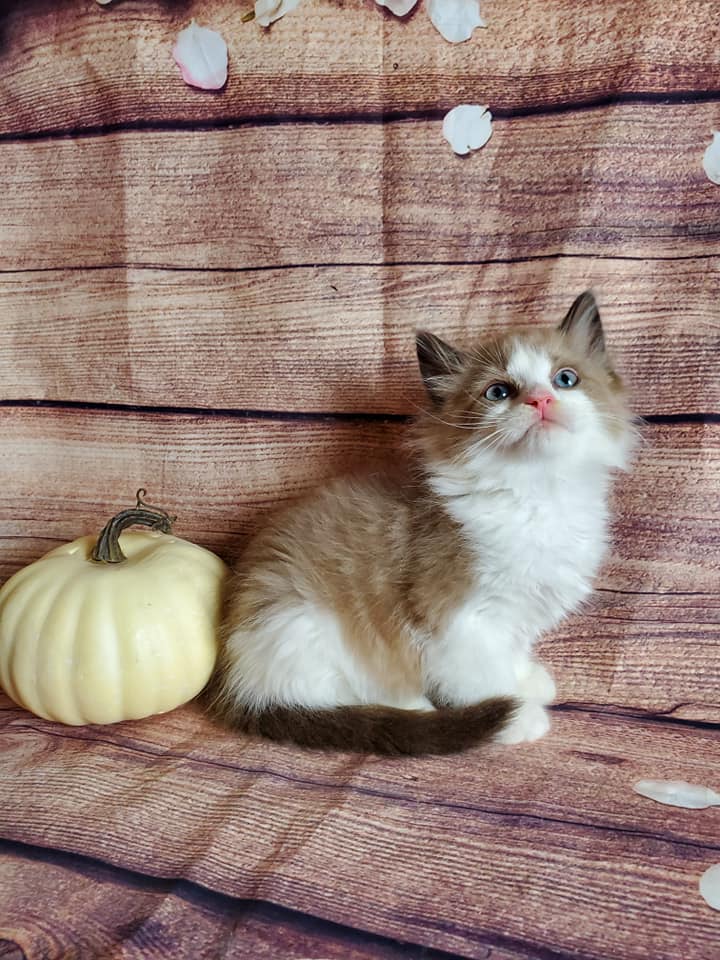
Ragdoll Cats Thrive in Therapy Settings Thanks to These Qualities
Therapy animals have quietly reshaped patient experiences across Australian healthcare facilities over the past two decades. From paediatric wards in Melbourne's Royal Children's Hospital to aged care communities along the New South Wales coast, trained companions now walk corridors that once forbade pets entirely. While dogs dominate most therapy rosters, feline volunteers are gaining recognition for the distinct comfort they offer in quieter settings.
Cats carry reputations for independence that do not match every breed, and Ragdolls sit firmly on the opposite end of the feline personality spectrum. Their name traces back to the relaxed way they collapse into the arms of anyone willing to scoop them up. That physical surrender, combined with steady nerves, has caught the attention of volunteer coordinators looking for animals suited to bedside visits.
For Australian households weighing the possibility of a companion who might also visit community centres or hospice programmes, knowing which traits matter most saves years of frustration. The right kitten raised by a breeder who prioritises health and socialisation gives a foundation that casual ownership rarely provides.
A Calm Temperament That Diffuses Tension
The first thing coordinators notice about a visiting Ragdoll is the absence of startle responses in unfamiliar settings. Wheelchair wheels, medical equipment alarms, and sudden voices rarely trigger the flight reaction common in many pedigree lines. That steadiness matters enormously when working alongside dementia patients in Perth care homes or children recovering from surgery in Brisbane paediatric units.
This composure is partly inherited and partly reinforced through early handling. Kittens raised in busy family rooms, where vacuum cleaners run daily and visitors come and go, develop neural pathways that read novelty as ordinary. A Ragdoll cat breed bred with this socialisation focus carries that resilience into adulthood and into high-stress environments that would overwhelm a less prepared cat.
Deep Affection and the Willingness to Connect
Ragdolls follow people from room to room with a dog-like persistence that surprises first-time owners. They greet family members at the door and prefer sleeping in the same room as their humans. That same loyalty translates directly into therapy settings, where the animal actively seeks out a lap or a gentle hand rather than retreating to a carrier.
In Adelaide hospice programmes, volunteers report that cats who initiate contact shorten the time it takes for visitors to engage emotionally. Patients who have not spoken for hours often respond to a Ragdoll settling across their chest with whispered words and slow strokes. The breed's preference for physical closeness turns a scheduled fifteen-minute visit into a meaningful exchange that stays with participants long after the cat leaves.
Tolerance of Hands, Wheelchairs, and Medical Equipment
Therapy animals accept being repositioned, having ears examined, and tolerating curious hands from very young children. Ragdolls possess a famously loose body tension, often called the rag-doll flop, that makes repositioning painless for them. A handler can shift a Ragdoll from a patient's lap to a bedside table without the cat stiffening or resisting.
This tolerance extends to mobility aids. Therapy visits in Darwin rehabilitation centres routinely involve hoists, crutches, and electric wheelchairs, all of which can unsettle less confident animals. Ragdolls raised around such equipment from kittenhood treat them as furniture rather than threats. They also tolerate the sudden movements of small children or the clumsiness of stroke survivors relearning fine motor control.
The Soothing Sound of a Ragdoll Purr
Purring operates at frequencies between 25 and 150 Hertz, a range that overlaps with frequencies used in clinical vibration therapy for bone density and wound healing. The subjective calm that accompanies a cat purring on a patient's chest is well documented across Australian therapy animal registries. Volunteers note marked drops in visible agitation within minutes of a Ragdoll settling in for a purring session.
The Ragdoll voice tends toward soft chirps and trills rather than demanding yowls. That volume profile keeps them welcome in libraries, quiet hospital wings, and end-of-life suites where louder animals might disturb others. Many handlers describe the Ragdoll's vocalisations as conversation rather than complaint, a quality that draws patients into speaking even when words have been hard to find.
| Trait | Therapy Dogs | Ragdoll Therapy Cats |
|---|---|---|
| Average training period | 6–12 months | 2–4 months |
| Daily exercise needs | 1–2 hours | Short play sessions |
| Allergen management | Moderate | Lower with grooming routine |
| Working lifespan | 8–10 years | 12–15 years |
| Strongest settings | Schools, busy wards | Aged care, hospice, one-to-one visits |
Physical Presence That Comforts Without Overwhelming
A mature Ragdoll weighs between four and nine kilograms, offering the substantial presence many therapy patients crave. Smaller cats can feel too delicate for stroke rehabilitation patients whose hands shake or grip unpredictably. The Ragdoll's semi-long coat invites longer petting sessions, which Australian pet wellness surveys link to reduced heart rate and blood pressure in handlers.
Grooming remains straightforward despite the plush coat. A weekly comb-through prevents matting, and the breed generally accepts brushing without complaint. A Ragdoll's willingness to be brushed makes routine care simple before each visit, even for volunteer handlers without professional grooming training.
Adaptability to Hospitals, Homes, and Travel
Therapy volunteers in regional Victoria and Tasmania often drive long distances between visits. Ragdolls travel well in secure carriers, often settling down for naps once the engine starts. Their calm extends to the sounds of urban apartment living in Sydney or the quiet of a rural homestead outside Toowoomba.
Climate rarely troubles the breed. Their coats thicken in cooler Tasmanian winters and shed naturally through hot Darwin summers. Climate-controlled facilities further buffer any environmental extremes, letting handlers schedule visits year-round without concern for the cat's comfort during long shifts away from familiar territory.
Health Foundations That Support a Long Working Life
A therapy cat visiting weekly needs robust health to withstand stress and exposure. Responsible breeders screen breeding stock for hypertrophic cardiomyopathy, feline immunodeficiency virus, and feline leukaemia before producing kittens. Buyers should request documentation of these tests before committing to a working role with a volunteer organisation.
Ragdolls commonly live into their mid-teens, giving handlers a decade or more of reliable visits after the initial socialisation period. Australian veterinarians in cities like Canberra and Hobart are familiar with breed-specific cardiac monitoring, which simplifies ongoing care for therapy cats. Regular check-ups catch any emerging concerns early, protecting both the cat's wellbeing and the continuity of visits for the facilities that depend on them.
A well-chosen kitten paired with patient training, consistent health screening, and gradual exposure to new environments becomes a therapy partner capable of giving comfort for many years. Australian families ready to invest that preparation find the breed rewarding beyond measure.