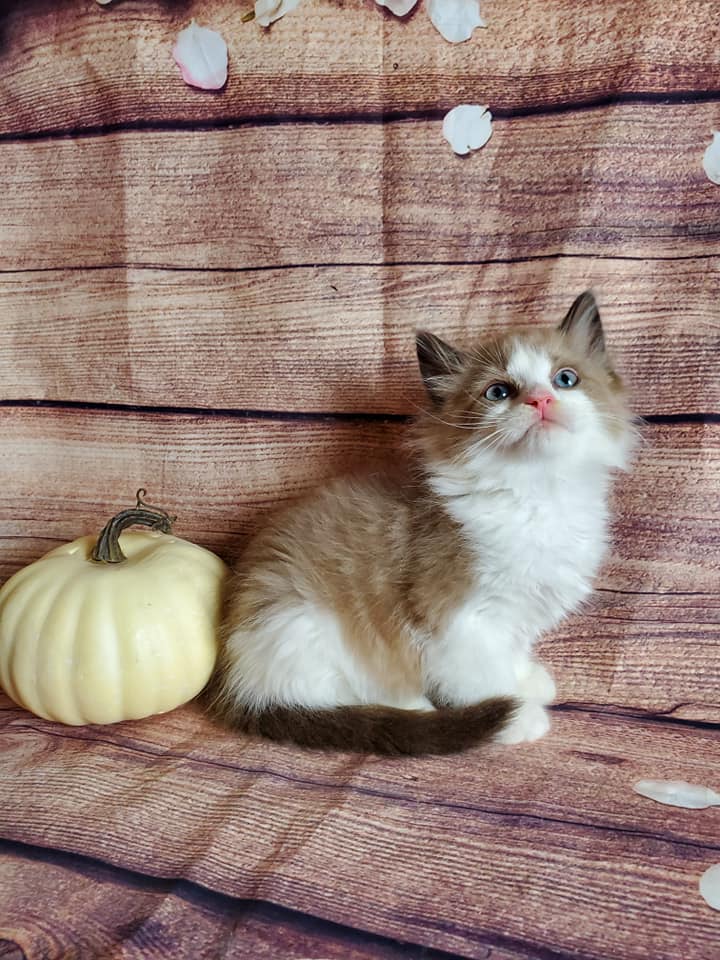
Why Ragdoll Kittens Suit Emotional Support Roles
Ragdoll kittens are known for their gentle nature, affectionate behaviour and relaxed approach to family life. These qualities can make them appealing companions for people seeking comfort, routine and a steady presence at home, although every cat has an individual temperament.
For Australian households, the right emotional support cat should fit the person’s needs, housing conditions and daily routine. A Ragdoll from a responsible cattery can offer a strong foundation through health screening, careful socialisation and guidance about the breed’s long-term care.
A Naturally Gentle Temperament
Ragdolls are often people-focused without being constantly demanding. Many enjoy following family members from room to room, resting nearby and accepting calm handling. Their quiet, trusting manner can help create a soothing atmosphere during stressful periods.
Their sociable nature may suit adults, older children and households where companionship is valued. A Ragdoll is usually happiest when included in family life rather than left alone for long stretches, so prospective owners should consider work schedules and travel plans in cities such as Sydney, Melbourne and Brisbane.
Individual personality still matters. Some kittens are highly cuddly, while others show affection by staying close rather than sitting on a person’s lap. A reputable breeder can help match a kitten’s temperament with the prospective owner’s expectations.
Comfort Through Predictable Companionship
Emotional support animals can provide comfort through routine, companionship and sensory connection. Feeding at regular times, grooming a soft coat and spending quiet time with a cat may give structure to a difficult day. The gentle sound of purring and the physical warmth of a relaxed cat can also feel reassuring.
Ragdolls often settle into calm household routines. They may enjoy sitting beside someone while they read, work from home or watch television. This predictable presence can be valuable for people managing anxiety, loneliness or emotional distress, provided the cat’s welfare remains central.
A cat should never be treated as a substitute for professional mental health care. Its role is companionship, not diagnosis or therapy, and support from a qualified Australian health professional may be important alongside responsible pet ownership.
Early Socialisation Builds Confidence
Kittens raised indoors in a family environment can become familiar with ordinary household sounds, visitors and gentle handling. Daily interaction helps them learn that people, grooming and routine care are safe experiences. Cage-free upbringing may also encourage natural movement and exploration.
A small TICA-registered hobby cattery in Helena, Montana, such as Ragdoll Kittens Cattery, focuses on raising kittens around people and handling them regularly. For an Australian buyer, it is important to ask about socialisation methods, transport arrangements, vaccination records and the practical requirements for bringing a cat into Australia.
Good early experiences do not guarantee a particular adult personality, but they can support a confident start. Gradual exposure is still needed after arrival, especially when a kitten moves into a new home in Perth, Adelaide or a regional community.
Health Supports Long-Term Wellbeing
A healthy cat is better positioned to form a stable companionship bond. Responsible breeding includes attention to inherited conditions, veterinary care, appropriate vaccinations and honest communication about the parents’ health history.
Health screening may include testing or assessment for hypertrophic cardiomyopathy, commonly called HCM, as well as FIV, FeLV and feline heartworm disease. Buyers should request clear records and ask which tests were performed, by whom and when. Australian owners should also establish a relationship with a local veterinary clinic soon after arrival.
Ragdolls require regular grooming because their semi-long coat can develop knots. They also need balanced nutrition, parasite prevention suited to local conditions and routine dental and veterinary care. In Australia’s warmer regions, indoor cooling, fresh water and protection from heat are particularly important.
Emotional Support Is Different From Assistance Work
In Australia, an emotional support cat is not automatically recognised in the same way as an assistance animal. Under the Disability Discrimination Act, an animal generally needs appropriate training to qualify as an assistance animal, and emotional comfort alone may not meet that standard.
This distinction can affect access to workplaces, public transport, restaurants, airlines and rental properties. State and territory rules also vary, while strata schemes and landlords may have their own approval processes. A letter from a mental health professional may explain a person’s need for a companion animal, but it does not guarantee unrestricted access.
People considering a Ragdoll for emotional wellbeing should check the relevant rules before signing a lease or booking travel. Australian airlines, including services departing from Sydney or Melbourne, may apply specific animal transport policies, and international imports involve biosecurity requirements managed by the Australian Department of Agriculture, Fisheries and Forestry.
Selecting A Suitable Kitten
The best match depends on lifestyle as much as breed. Consider whether the home is quiet or busy, whether other pets are present and how much daily interaction can be provided. Ragdolls are indoor companions, so secure windows, enrichment, scratching areas and safe climbing spaces are important.
A cattery should explain its adoption process, contract terms, desexing expectations, registration details and support after the kitten goes home. Prospective owners should be cautious of sellers who cannot provide health information, avoid discussing temperament or offer immediate availability without meaningful questions about the household.
- Choose a kitten whose observed temperament suits the intended home.
- Confirm vaccination, microchipping and veterinary records.
- Ask about HCM, FIV, FeLV and heartworm-related screening.
- Plan safe indoor enrichment, scratching posts and quiet resting places.
- Check Australian import, rental, strata and airline requirements.
- Budget for grooming, veterinary care, food, insurance and emergencies.
Comparing Companion Qualities And Responsibilities
Ragdolls can be a strong option for emotional support because affection, calm behaviour and human-oriented companionship are common breed traits. Their needs remain substantial, however, and a kitten requires patience before becoming a settled adult companion.
| Consideration | Ragdoll kitten | General cat adoption |
|---|---|---|
| Temperament | Often gentle, social and relaxed | Varies widely by breed, age and history |
| Social needs | Usually enjoys regular human company | May range from independent to highly attached |
| Coat care | Regular brushing is recommended | Depends on coat type |
| Support suitability | Often appealing for calm companionship | Individual temperament is the key factor |
| Verification | Breeder health and pedigree records may be available | Shelter or rescue history may vary |
| Australian access | Still subject to rental, strata and public-access rules | The same restrictions generally apply |
A Ragdoll should be chosen for its individual character rather than its appearance alone. Before adoption, observe how the kitten responds to handling, new sounds and gentle interaction, then prepare a quiet transition space with food, litter, bedding and familiar-smelling items.
The practical takeaway is simple: choose a well-socialised, health-screened Ragdoll whose temperament fits the household, and treat emotional support as a shared relationship built through safe routines, responsible care and realistic Australian legal expectations.