What TICA Registration Means for Your Ragdoll Kitten
Choosing a Ragdoll kitten involves more than falling in love with a blue-eyed face. Families also want confidence that the kitten comes from a recognized breed, has traceable ancestry, and is being raised with responsible care. TICA registration helps provide that foundation, but it is important to understand exactly what the registration does—and what it does not promise.
The International Cat Association, commonly called TICA, maintains records for pedigreed cats and recognizes the Ragdoll as an established breed. A TICA-registered cattery follows a system for documenting parentage, litters, and ownership. This creates useful records for families adopting a companion, therapy cat, or future show prospect.
At Ragdoll Kittens Cattery in Helena, Montana, registration is one part of a broader approach that includes indoor, cage-free care, daily handling, and health screening. Those details work together to give a kitten a strong beginning in a family environment.
What TICA Registration Confirms
TICA registration primarily confirms that a cat is recorded within the association’s pedigree system. For a Ragdoll kitten, the documentation connects the kitten to registered parents and supports its status as a purebred cat. This is different from simply calling a kitten a Ragdoll based on appearance.
Registration papers may include the kitten’s registered name, breed, color or pattern information, birth date, parents, and breeder details. When ownership is transferred, the new family can receive documentation showing that the kitten is now connected to them in the registry.
The paperwork is valuable because it preserves ancestry. If you later need information about relatives, breeding history, or show eligibility, an official pedigree provides a reliable starting point.
What The Papers Do Not Guarantee
TICA registration does not automatically guarantee that every kitten is healthy, perfectly socialized, or an ideal match for every household. Registration verifies pedigree records, while responsible care determines many of the daily experiences that shape a kitten’s development.
A thoughtful breeder should be willing to discuss veterinary examinations, vaccination schedules, parasite prevention, and testing for conditions relevant to the breed. At this cattery, health considerations include screening for HCM, FIV, FeLV, and feline heartworm disease. Ask what testing was completed, when it occurred, and how the results relate to the kitten’s parents and individual health history.
Temperament also deserves attention. Ragdolls are known for their gentle, affectionate nature, but early handling and a calm home setting help kittens build confidence. Daily human interaction, age-appropriate play, and exposure to normal household activity can be just as important to a companion cat’s future as pedigree records.
Understanding Pet And Show Registration
A kitten may be registered as a pet rather than being offered with breeding or show rights. This usually reflects the adoption agreement, the kitten’s intended role, and the breeder’s plans for preserving their bloodline. A pet-quality designation does not make the kitten less loving, healthy, or valuable as a family companion.
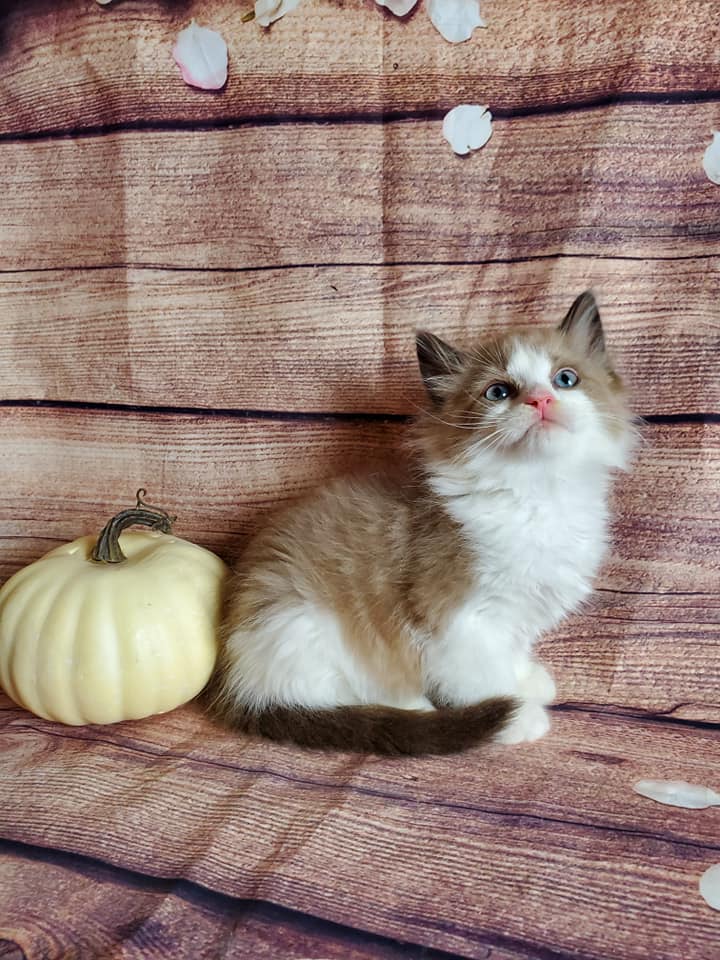
Some kittens may have markings or traits that differ from a breeder’s ideal show standard while still being unmistakably Ragdolls. Colorpoint, mitted, and bicolor patterns each have recognizable characteristics, and individual kittens can vary in shading as their coats mature.
Families should read the contract carefully to see whether registration is transferred immediately, after spaying or neutering, or under specific conditions. The agreement may also explain breeding restrictions, health guarantees, return policies, and ongoing breeder support.
| Registration Detail | What It Means For Families |
|---|---|
| TICA pedigree record | Documents the kitten’s recognized ancestry |
| Registration certificate | Identifies the kitten and links ownership to the new family |
| Pet registration | Indicates the kitten is intended as a companion, not for breeding |
| Show or breeding rights | May require a separate agreement and breeder approval |
| Health records | Provide medical information but are separate from pedigree registration |
| Written contract | Explains responsibilities, guarantees, and return arrangements |
Why Breeder Practices Matter
A registry can document lineage, but the breeder’s practices reveal how that lineage is being cared for. Look for a small cattery that can explain where kittens are raised, how often they are handled, and what steps are taken before adoption.
An indoor, family-centered setting allows kittens to experience household sounds, human touch, and regular routines without being isolated in cages. This kind of socialization can support a smoother transition when the kitten moves to a new home.
Ragdolls also require practical coat care. Their semi-long fur benefits from regular, gentle grooming, especially when seasonal shedding increases; families can review seasonal shedding care before bringing a kitten home. Learning these habits early helps protect the coat and makes grooming a calm bonding activity.
Questions To Ask Before Adoption
Before choosing a kitten, request a clear explanation of the registration process. Ask whether the kitten will be registered with TICA, what documents are included, and whether the certificate will be transferred into your name after adoption.
It is also useful to ask about the parents’ health history, genetic screening, vaccinations, deworming, veterinary examinations, and microchipping. A responsible breeder should provide records in an understandable format and explain any recommended follow-up care.
Discuss temperament and lifestyle as well. A kitten intended to become a therapy cat may benefit from a particularly steady, people-oriented personality. The breeder’s observations from daily interactions can help match a kitten with children, adults, older residents, or households with other pets.
Making The Most Of Registration
Keep the registration certificate, pedigree, contract, veterinary records, and vaccination information together in a secure folder. These documents can be useful when changing veterinary practices, arranging travel, applying for a show, or confirming ownership.
Registration can also help preserve the history of your Ragdoll over time. Even if breeding and showing are not part of your plans, knowing your cat’s family background adds context to their color development, body structure, and breed traits.
For families adopting a companion or therapy cat, the most meaningful benefit is the combination of documented ancestry and careful early care. TICA registration offers accountability and traceability, while the breeder’s health program and socialization practices help turn that foundation into a well-prepared family member.
Practical Steps For New Ragdoll Families
- Request the kitten’s TICA registration information and pedigree details before adoption.
- Review the contract for pet status, spay or neuter terms, health guarantees, and return policies.
- Keep veterinary records and registration documents together after bringing the kitten home.
- Ask for guidance on grooming, nutrition, vaccinations, and gradual introductions to new environments.
- Choose a kitten whose observed temperament fits your household and intended role.
If you are searching for a carefully raised Ragdoll kitten in Montana, contact Ragdoll Kittens Cattery to learn about available litters, health practices, colors, markings, and the adoption process. A documented pedigree paired with attentive home socialization can give your new companion the secure beginning they deserve.