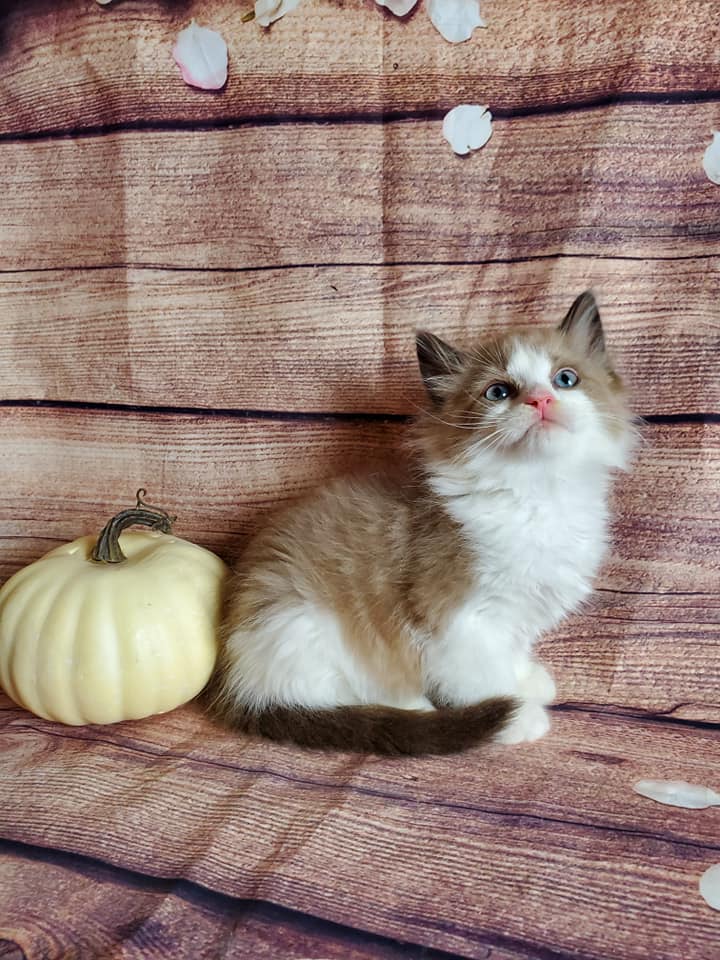
What to Do If Your Ragdoll Cat Swallows a Foreign Object
A swallowed foreign object can become a serious veterinary emergency. Ragdoll cats may ingest pieces of string, ribbon, plastic, toy parts, hair ties, or household items while playing or grooming. Some objects pass safely, but others lodge in the throat, stomach, or intestines and cause a life-threatening blockage.
The risk is particularly relevant for indoor cats, which often have access to craft supplies, children’s toys, food packaging, and bathroom items. In Australia, a warm-weather routine may also mean open doors, balcony access, or extra play with fishing-rod toys, increasing the chance that a curious cat finds something unsuitable.
If you saw your cat swallow an object, or suspect it happened, contact a veterinarian promptly. A small Ragdoll kitten can deteriorate quickly, and early treatment is usually safer and less expensive than waiting for a complete obstruction.
Recognise The Warning Signs
Symptoms depend on the object, its location, and how long it has been present. A cat with something stuck in the mouth or throat may paw at its face, drool, gag, cough, retch, or struggle to breathe. Choking requires immediate emergency care.
A blockage farther along the digestive tract can initially look like a mild stomach upset. Watch for:
- Repeated vomiting or unproductive retching
- Refusal of food, lethargy, or hiding
- Abdominal pain, bloating, or a hunched posture
- Constipation, straining, or very small stools
A cat may still drink or use the litter tray during the early stages, so normal behaviour does not rule out a problem. Blood in vomit or stool, collapse, pale gums, severe pain, or breathing difficulty should be treated as an emergency.
Take Safe Immediate Action
Remove access to any remaining pieces and keep the suspected item, packaging, or a photograph for the veterinarian. Note when the object disappeared, how much may have been swallowed, and whether your cat has vomited or passed stool. Transport the cat in a secure carrier, keeping movement and stress to a minimum.
Do not induce vomiting unless a veterinarian specifically instructs you to do so. Salt, oil, milk, hydrogen peroxide, and other household remedies can cause poisoning, aspiration, or additional injury. Never pull string, thread, wool, ribbon, or dental floss from the mouth or anus; a linear foreign body may be anchored internally and pulling can tear the intestine.
Contact An Australian Veterinary Service
Call your regular clinic, an after-hours veterinary hospital, or an emergency service as soon as possible. In Melbourne, Sydney, Brisbane, Perth, Adelaide, and other major centres, 24-hour hospitals may provide imaging and surgery overnight. In regional areas, phone your local practice immediately because the nearest emergency facility may be several hours away.
Australian veterinary fees vary widely, and emergency consultation, X-rays, ultrasound, endoscopy, or surgery can become expensive. Pet insurance may help if the policy covers gastrointestinal foreign bodies, but insurers commonly require prompt veterinary assessment and may exclude pre-existing symptoms. Animal welfare duties are regulated by state and territory law, so arranging timely veterinary treatment is part of responsible ownership.
Understand How Vets Diagnose The Problem
The veterinarian will ask about the object and examine your cat for dehydration, pain, abnormal gut sounds, and changes in temperature or circulation. X-rays can identify metal, bone, and some dense materials, while ultrasound may help locate fabric, plastic, or an obstruction that is difficult to see on a plain radiograph.
Treatment depends on the object’s shape, position, and time in the digestive tract. A recently swallowed item may sometimes be removed safely by veterinary endoscopy. If it has caused a blockage, perforation, or damaged intestine, surgery may be necessary. Do not wait for an object to “work its way through” without professional advice.
Reduce Risks In A Family Home
Ragdolls are affectionate, intelligent cats that often stay close to people and participate in everyday household activity. Their calm nature can make owners underestimate how quickly they investigate dangling objects. Kittens from a small, indoor, cage-free family environment should be supervised with new toys and taught to play with sturdy items rather than loose threads.
Keep tempting hazards out of reach, particularly when children are using craft materials or when guests bring small objects into the home. Secure rubbish bins, close bathroom cupboards, and inspect toys regularly for detached eyes, feathers, elastic, or broken plastic.
Common household hazards include:
- Sewing thread, yarn, ribbon, dental floss, and fishing line
- Hair ties, rubber bands, balloons, and small toy parts
- Food wrappers, foil, bones, and corn cobs
- Batteries, coins, medication, and plant material
For suspected poisoning as well as an object ingestion, the Australian Animal Poisons Helpline can provide guidance, but a cat with choking, collapse, or a suspected obstruction still needs direct veterinary care. Keep the helpline number and your nearest after-hours clinic details with your other household emergency contacts.
Support A Safe Recovery
After treatment, follow the prescribed feeding, medication, and activity instructions exactly. Some cats need a bland or prescription diet, fluid support, pain relief, or several days of quiet observation. Check the litter tray and appetite without repeatedly handling a sore abdomen.
Ask the clinic when vomiting, reduced appetite, straining, or lethargy should be reported. Prevention is especially important for Ragdolls intended as companion or therapy cats, because calm indoor routines still require careful management of toys and household clutter.
If your cat may have swallowed something today, place it in a carrier, take the suspected object or its packaging, and phone the nearest Australian veterinary service now.