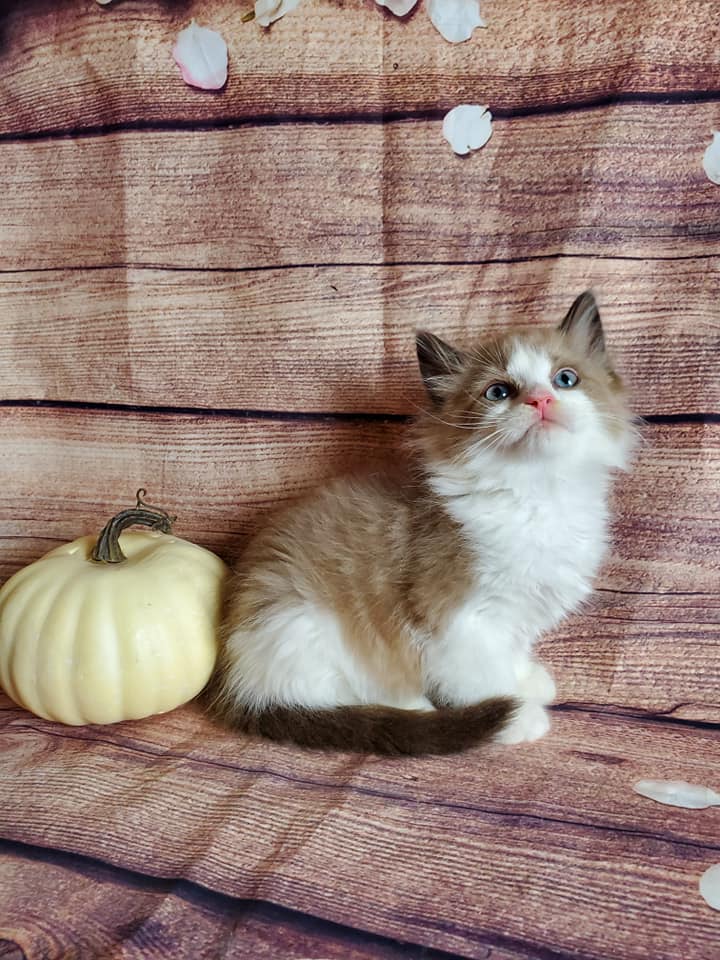
What to Do If Your Ragdoll Has a Snaggletooth
A Ragdoll kitten with one tooth pointing at an unusual angle can look charming, but a crooked tooth may indicate more than a cosmetic difference. A snaggletooth can result from normal tooth replacement, crowding, an abnormal bite, or a retained baby tooth. Early attention helps prevent discomfort and damage to the gums, palate, or neighboring teeth.
Ragdolls are generally gentle, sociable cats, so dental pain may be subtle. A kitten may continue eating while chewing differently, dropping food, or avoiding hard pieces. Adult cats may hide discomfort even longer, making regular mouth checks and professional examinations especially valuable.
A veterinary dental assessment is the safest way to identify the cause. Never try to pull, twist, file, or push a tooth into position at home. The correct treatment depends on the cat’s age, the tooth involved, and whether the abnormal position affects health.
Recognizing A Snaggletooth
A snaggletooth usually refers to a tooth that protrudes, angles sideways, overlaps another tooth, or sits outside the normal dental row. In a young Ragdoll, this may appear while deciduous teeth are falling out and permanent teeth are emerging. Temporary crowding can resolve naturally, but it still deserves monitoring.
Look for a canine tooth touching the lip, gum, or roof of the mouth. Redness, a small ulcer, bad breath, drooling, or pawing at the face can suggest that the tooth is causing irritation. A kitten that turns its head while eating or prefers soft food may also be experiencing oral discomfort.
Why Tooth Problems Develop
Some dental changes are part of normal growth. Kittens begin losing baby teeth at roughly three to six months, and a permanent tooth may erupt before the corresponding deciduous tooth has loosened. This retained baby tooth can force the adult tooth into an abnormal position and create crowding.
Other causes include inherited jaw structure, trauma, gum disease, or a bite misalignment known as malocclusion. A tooth that presses against soft tissue can create a painful wound. In severe cases, crowded teeth trap food and bacteria, increasing the risk of gingivitis, periodontal disease, and infection.
A snaggletooth does not automatically mean a serious defect or poor overall health. Responsible breeding, health screening, and careful observation remain important, but only a veterinarian can determine whether the tooth needs treatment.
When A Veterinary Visit Is Needed
Arrange an appointment promptly if the tooth is rubbing the palate, lip, or gums, or if the cat has bleeding, facial swelling, foul breath, or difficulty closing the mouth. Reduced appetite, weight loss, repeated swallowing, or reluctance to play with toys are also reasons for an examination.
Even when a kitten seems comfortable, a crooked permanent tooth should be checked. The veterinarian may examine the bite while the cat is awake and recommend dental radiographs under anesthesia if the tooth’s roots, position, or surrounding bone need closer evaluation.
| Finding | Possible meaning | Appropriate response |
|---|---|---|
| A slightly angled tooth with normal eating | Developing bite or mild variation | Photograph it and monitor with veterinary guidance |
| Baby tooth beside an emerging adult tooth | Retained deciduous tooth | Schedule a dental examination soon |
| Tooth touching the palate or gum | Traumatic malocclusion | Seek prompt veterinary care |
| Red gums, odor, drooling, or food avoidance | Pain, inflammation, or infection | Arrange an urgent appointment |
| Loose, broken, or discolored tooth | Injury or damaged dental tissue | Prevent hard chewing and contact a veterinarian |
How Dental Treatment May Work
If a baby tooth remains beside the adult tooth, a veterinarian may recommend extraction. Removing it at the appropriate stage can give the permanent tooth a better chance to settle into a healthier position. Extraction should be performed professionally, often with dental imaging and anesthesia.
A mild alignment issue may only require observation, especially if the tooth does not contact soft tissue and the bite remains functional. More complicated malocclusion can require referral to a veterinary dental specialist. Treatment may involve extraction, reshaping, or another carefully planned procedure; orthodontic correction is less common and must be assessed case by case.
Do not give human pain relievers or attempt home dental surgery. Products containing acetaminophen, ibuprofen, or similar medications can be dangerous or fatal to cats. Follow the veterinarian’s instructions for pain control, feeding, and recovery.
Supporting Oral Health At Home
Once a veterinarian confirms that brushing is safe, introduce a cat-specific toothbrush and veterinary toothpaste gradually. Let the Ragdoll taste the toothpaste first, then touch the outer teeth for a few seconds. Short, calm sessions are more useful than forcing the mouth open and creating fear.
Choose dental treats, diets, or chews only when they are appropriate for the individual cat and approved by the veterinary team. Hard objects such as bones, antlers, and very rigid toys can fracture teeth. Water intake also supports general health; some Ragdolls are fascinated by running water, as explored in this guide to Ragdoll water habits, though fresh bowls and a clean fountain should never replace dental care.
A daily visual check can be simple: lift the lip, look for symmetry, and note changes in color, odor, swelling, or tooth position. Photographing the mouth from the same angle every few days can help a veterinarian track development without repeated handling.
A Calm Dental Care Routine
Kittens raised in a family environment and handled gently from an early age may be more comfortable with mouth checks. At a small, cage-free cattery, routine handling can help kittens accept gentle examination, but new owners should continue the process slowly after adoption.
Use the following approach:
- Choose a quiet time when the cat is relaxed rather than playful or hungry.
- Touch the cheeks and lips before briefly lifting the lip to view the teeth.
- Reward calm behavior with praise or a suitable treat.
- Stop if the cat struggles, cries, or shows signs of pain.
- Record concerns and share clear photographs with the veterinary clinic.
Preventing Bigger Problems
A kitten’s first veterinary visits should include an oral examination, especially during the transition from baby teeth to permanent teeth. Ask the veterinarian to check the bite, canine teeth, gums, and any retained deciduous teeth during routine wellness appointments.
Purebred Ragdolls adopted as pets or therapy companions benefit from the same preventive care as every other cat. Regular examinations, suitable nutrition, weight monitoring, and professional dental cleaning when indicated can reduce the chance that a small alignment problem becomes a painful condition.
If your Ragdoll develops an unusual tooth, arrange a veterinary assessment, keep the mouth comfortable, and follow the recommended treatment plan. Early action protects eating, play, social interaction, and long-term oral health.