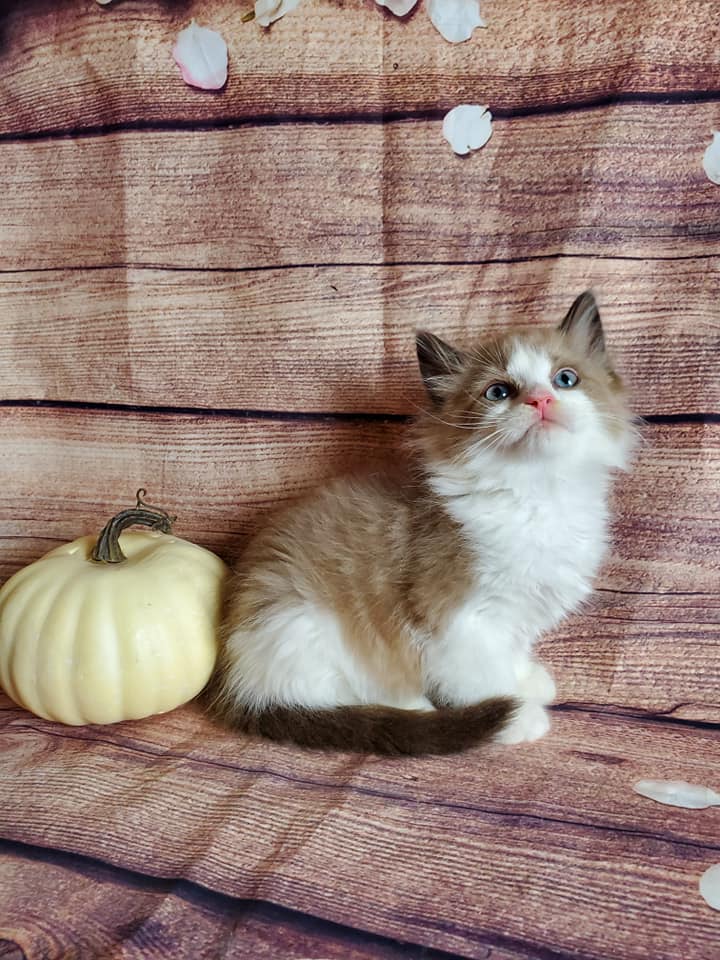
When a Ragdoll Suddenly Avoids the Litter Box
Ragdolls are famously easy-going cats, so it can be unsettling when a placid, purring companion suddenly decides the litter box is the enemy. Owners often first notice missing puddles on the bath mat or a suspicious pile behind the couch, and the puzzle begins. Many kittens and adult cats can pass this quickly with a calm, methodical approach once the trigger is identified.
This kind of behaviour can stem from something as simple as a new brand of litter to something more complex like bladder discomfort or a recent house move. In Australian homes, where indoor-only lifestyles are common in apartments across Sydney and Melbourne, litter box confidence is not optional, it is the difference between a happy cat and a stressful household.
Spotting the Warning Signs Early
A sudden fear usually develops over a day or two rather than weeks. Owners might find the cat hovering near the tray, scratching the floor beside it, or jumping out mid-dig without producing anything. Wet patches on tiles, on the doona, or near the back door of a Queenslander-style home are usually the first giveaway.
Other signs include perching on the edge of the tray, shaking a paw as if the litter stings, or choosing soft surfaces like laundry piles and bath mats instead. Because Ragdolls are heavy-boned and often larger than expected, they can feel cramped in trays that worked when they were younger, which is worth keeping in mind during a growing phase.
Rule Out a Veterinary Cause First
Any sudden change in toileting habits warrants a vet visit before assuming it is behavioural. Urinary tract infections, bladder stones, and feline idiopathic cystitis all cause a cat to associate the tray with pain, leading to avoidance. In Australia, after-hours vet clinics exist in most capital cities but can be pricey on a weekend, so booking the soonest regular appointment is usually the smarter first move.
HCM screening, FIV, and FeLV status are worth confirming if it has been a while, especially for adopted adult Ragdolls whose history is unknown. The vet will likely check a urine sample, palpate the bladder, and rule out constipation, which is surprisingly common in long-haired breeds that groom heavily and swallow fur.
Comparing Litter Box Setups
| Setup Type | Best For | Watch Points |
|---|---|---|
| Open top tray with low sides | Kittens and small breeds | Can let odours build up quickly in warm climates |
| Covered hooded tray | Shy cats needing privacy | Traps heat and ammonia, needs daily scooping |
| Top-entry tray | Dogs that interfere or kittens | Larger Ragdolls may find entry awkward |
| Self-cleaning unit | Busy households | Motor noise can spook sensitive cats |
For a heavy, long-coated breed like a Ragdoll, a large open tray with a low front lip is usually the easiest entry and exit point. Sides that are too high force the cat to balance awkwardly, which feels unsafe and can tip them off the tray entirely.
Australian Homes and Common Stressors
The way Australian houses are laid out often shapes litter box behaviour more than owners realise. In a typical Brisbane or Perth suburban home, the laundry is a common tray spot, but the dryer rumble, the clattering of the dogs' water bowl, or a visiting tradie can all spook a sensitive cat. In cooler climates like Hobart, trays are moved indoors during winter, which sometimes places them too close to a heater or a noisy appliance.
Outdoor influences matter too. A neighbourhood cat staring through the sliding door, a possum on the fence at dusk, or even a sudden summer thunderstorm can leave a cat feeling vulnerable in its usual toilet corner. Many Aussie households also have multiple cats, and tension between housemates is a leading trigger for litter box fear that owners miss because the cats still appear to get along.
Common household triggers worth checking:
- A new dog or puppy arriving in the home
- Renovation noise, especially hammering or drilling
- A visiting relative staying in the cat's usual room
- Recent furniture rearrangement blocking the tray
Gentle Steps to Rebuild Litter Box Confidence
Once medical causes are ruled out, the retraining process is usually straightforward but needs patience. Try a quiet, low-traffic corner with two trays side by side, one with the old litter and one with a new unscented, fine-grain option. Avoid covered trays at this stage, since the enclosed space amplifies any sound the cat makes.
Useful things to try first:
- Place a small piece of soiled paper in the new tray
- Use a feliway-style pheromone plug-in nearby
- Keep the tray spotlessly clean during retraining
- Reward with a calm pat or treat after successful use
Patience is measured in days, not hours. A cat that was simply stressed by a new puppy or a renovation may bounce back within a week, while one recovering from cystitis may take a fortnight or longer.
Knowing When to Call in a Professional
If the behaviour continues past a fortnight with no medical cause and a calm retraining routine, bring in a qualified feline behaviourist. In Australia, the Animal Behaviour Clinics network and several independent consultants operate across Sydney, Melbourne, Adelaide, and regional centres, with telehealth options now widely available. A behaviourist can spot subtle things owners miss, like a favourite perch that has become a vantage point for an outdoor bully cat.
Persistent avoidance that involves vocalising in the tray, blood-tinged urine, or repeated vomiting needs urgent vet attention, not just behaviour work. For anyone sourcing a kitten, choosing a breeder who raises kittens indoors with daily handling, like the team behind https://jerryaussiefarm.com/, sets a calmer foundation that often pays off years later when life changes happen.
If your Ragdoll is showing any of these signs today, the single best next step is booking that vet appointment and grabbing a clean spare tray on the way home.