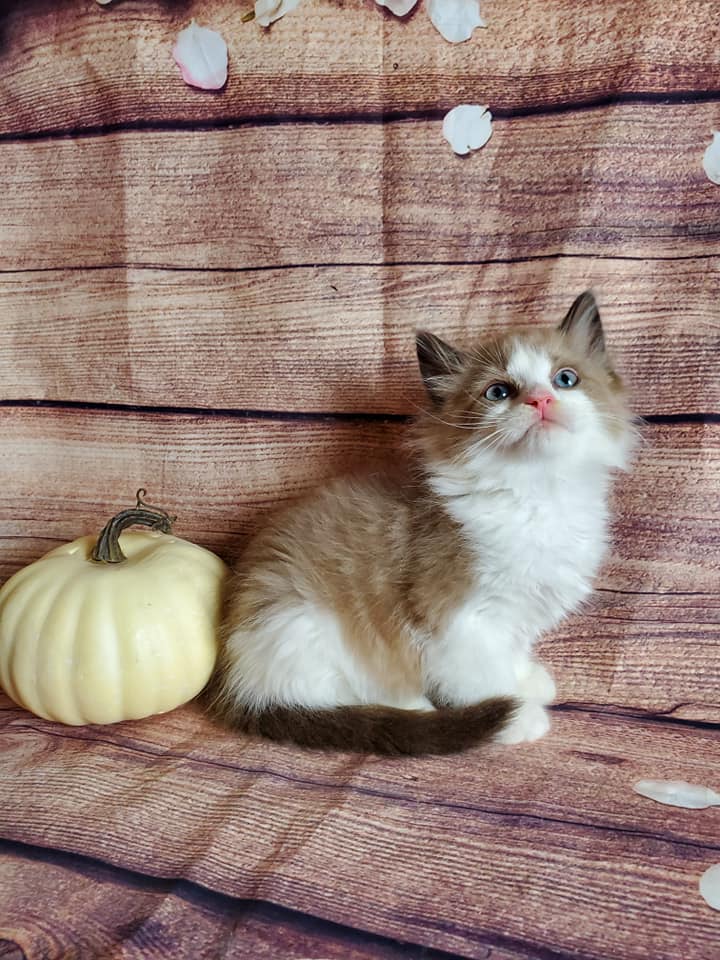
What To Do If Your Ragdoll Kitten Has Diarrhea
Loose stool can be alarming in a young Ragdoll, especially because kittens can become dehydrated faster than adult cats. A single soft bowel movement may result from stress or a recent food change, but repeated watery stool deserves careful observation and, often, veterinary guidance.
Start by checking your kitten’s energy, appetite, water intake, and behavior. Note when the diarrhea began, how often it occurs, and whether you see mucus, blood, worms, or unusual color. These details can help a veterinarian identify the likely cause more quickly.
Do not give human anti-diarrhea medicine or make abrupt dietary changes. Young kittens need calories for growth, and withholding food for too long can create additional health problems. Keep the kitten warm, quiet, and close to a clean litter box while you assess the situation.
Start With Immediate Checks
Inspect the stool and monitor your kitten’s overall condition. A kitten that is playful, eating normally, drinking, and producing only one mildly soft stool may be experiencing a temporary digestive upset. However, repeated liquid stool, vomiting, weakness, or refusal to eat should be taken seriously.
Look for signs of dehydration, including tacky or dry gums, sunken-looking eyes, unusual lethargy, or skin that does not quickly return to position when gently lifted over the shoulders. Because kittens have small fluid reserves, contact your veterinarian promptly if diarrhea continues for more than a short period or appears alongside any other symptom.
Clean the kitten’s hindquarters with a warm, damp cloth and dry the area carefully. Diarrhea can irritate delicate skin and mat the fur around the tail. Wash your hands after handling soiled bedding or litter, particularly if other cats live in the home.
Look For The Likely Trigger
A sudden food transition is a common reason for loose stool after adoption. Moving from a breeder’s home to a new environment can also cause stress-related digestive upset. Ask for the exact food, feeding schedule, treats, and supplements your kitten was receiving, then keep those details consistent during the first days at home.
Parasites, bacterial infections, viral illness, food intolerance, and overeating can also cause kitten diarrhea. A veterinarian may request a fresh fecal sample to check for organisms such as roundworms, Giardia, or coccidia. Do not assume that visible worms are required for a parasite problem; many intestinal parasites cannot be seen in the stool.
Ragdolls are often gentle and people-oriented, so changes in routine may affect them more noticeably than owners expect. Learning about Ragdoll temperament traits can help you distinguish ordinary adjustment behavior from a sudden change that warrants medical attention.
Know When Professional Care Is Needed
Call your veterinarian when diarrhea is frequent, watery, foul-smelling, or lasting beyond the same day, especially if your kitten is very young. Arrange prompt care if there is vomiting, blood, fever, abdominal discomfort, poor appetite, or reduced activity. A kitten that cannot keep fluids down may need treatment sooner than one with mild stool changes.
Emergency care is appropriate when the kitten is limp, difficult to wake, severely dehydrated, breathing abnormally, collapsing, or passing a large amount of blood. Kittens with underlying conditions may also need a lower threshold for evaluation. Health screening for conditions such as HCM, FIV, FeLV, and feline heartworm disease is valuable, but it does not replace an examination for acute digestive symptoms.
| Signs and situation | What they may indicate | Appropriate response |
|---|---|---|
| One soft stool, normal appetite and energy | Mild stress or dietary upset | Monitor closely and keep food consistent |
| Several loose stools, but still alert | Parasites, intolerance, or infection | Call the veterinarian and save a stool sample |
| Diarrhea with vomiting, poor appetite, or lethargy | Dehydration or significant illness | Seek same-day veterinary advice |
| Bloody stool, collapse, severe weakness, or inability to drink | Potential emergency | Contact an emergency veterinary service immediately |
Support Recovery Safely
Offer the usual kitten food in small, frequent portions unless your veterinarian instructs you otherwise. Avoid milk, table scraps, rich treats, sudden diet experiments, and over-the-counter products. Fresh water should be available at all times, but do not force water into the mouth because aspiration can occur.
Keep the kitten in a calm room with familiar bedding and easy access to food, water, and the litter box. Separate the kitten from other cats until contagious causes have been ruled out, and disinfect contaminated surfaces according to veterinary guidance. Record each bowel movement, meal, and symptom so you can report an accurate timeline.
Helpful Steps During Monitoring
- Keep the diet and feeding schedule steady.
- Provide fresh water and check intake regularly.
- Save a fresh stool sample in a clean, sealed container if the veterinarian requests one.
- Weigh the kitten daily on a kitchen scale and record any loss.
- Call promptly if appetite, energy, or hydration declines.
Reduce The Chance Of Recurrence
When the stool returns to normal, maintain the successful diet for a while rather than adding new treats immediately. If a food change is needed, transition gradually over approximately a week, using increasing amounts of the new food and decreasing amounts of the old food. Your veterinarian can recommend a suitable diet if intolerance or a sensitive stomach is suspected.
Keep vaccinations, parasite prevention, and fecal examinations current. Ask the cattery for vaccination dates, deworming records, feeding instructions, and any previous stool concerns. A small, family-raised cattery can often provide useful information about what your kitten has eaten and how it typically responds to handling, travel, and environmental changes.
Good hygiene also matters. Scoop litter boxes frequently, wash food and water dishes every day, and avoid allowing kittens to investigate dirty shoes, outdoor soil, or unfamiliar animal feces. These simple measures reduce exposure to organisms that commonly affect young cats.
Create A Clear Follow-Up Plan
If the veterinarian prescribes medication, give every dose exactly as directed and finish the course unless the clinic changes the instructions. Ask whether the medicine should be given with food and what changes would require another call. Never use leftover medication from another pet.
Continue monitoring stool quality, appetite, hydration, weight, and behavior for several days after improvement. A recurring problem may require additional testing for parasites, diet sensitivity, inflammatory disease, or another condition. Keeping a written record makes patterns easier to identify and helps prevent repeated trial-and-error changes.
When bringing home a Ragdoll kitten, keep the breeder’s contact information and your veterinary clinic’s number readily available. If diarrhea appears, contact your veterinarian with the kitten’s age, weight, diet, symptom timeline, and any relevant health records so the next step can be chosen safely.
Prompt attention gives a young kitten the best chance of recovering quickly. Contact your veterinarian today if the diarrhea is repeated, watery, or accompanied by vomiting, lethargy, poor appetite, or dehydration, and keep your kitten’s care records organized for every follow-up visit.