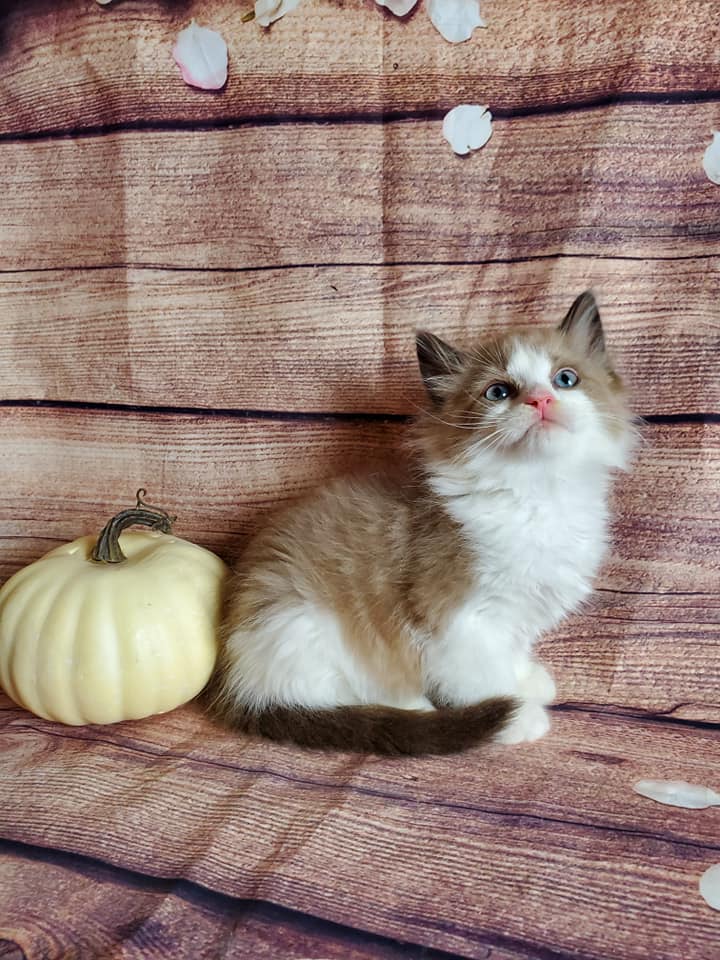
What to Do if Your Ragdoll Kitten Seems Shy or Nervous
Bringing home a Ragdoll kitten is an exciting experience, but some kittens need extra time before they feel comfortable in a new household. A shy kitten may hide, stay quiet, avoid handling, or watch family members from a safe distance. These behaviors are usually signs of uncertainty rather than a lack of affection.
Ragdolls are often known for their gentle, people-oriented personalities, yet every kitten has an individual temperament. Moving away from familiar scents, littermates, and routines can be stressful, especially during the first several days.
With patience, predictable care, and respectful socialization, most nervous kittens gradually become more confident. The goal is to help your kitten feel secure without forcing interaction before they are ready.
Why Some Kittens Need More Time
A kitten may seem timid because of the many changes taking place at once. Travel, unfamiliar rooms, new voices, household activity, and different feeding schedules can temporarily overwhelm them. Even a well-socialized kitten may retreat while learning that the new environment is safe.
Personality also plays a role. Some Ragdolls are immediately curious, while others prefer to observe before joining the activity. A cautious kitten may develop into a deeply affectionate companion once trust has been established.
Early experiences matter, too. Kittens raised indoors in a cage-free, family setting and handled gently each day have opportunities to become familiar with ordinary household sounds and touch. Still, socialization is a gradual process rather than a personality guarantee.
Create a Calm Home Base
Begin with one quiet room or a small, kitten-proof area. Provide food, water, a litter box, a soft bed, scratching material, and secure hiding places. A cardboard box or covered cat bed can help your kitten retreat without disappearing into an inaccessible space.
Keep the room peaceful during the first few days. Limit loud music, excited greetings, sudden movements, and visits from unfamiliar people. Sit nearby and read or speak softly so your kitten can become accustomed to your presence without feeling pressured.
Allow your kitten to choose when to come out. Pulling them from hiding may increase fear and make future interactions harder. Instead, place toys or a few treats near the edge of the hiding area and let curiosity do the work.
Learn the Signals of Stress and Trust
Body language can show whether your kitten needs more space. Flattened ears, a tucked body, wide pupils, hissing, rapid breathing, or a tightly wrapped tail suggest discomfort. When these signals appear, pause the interaction and give your kitten a quiet opportunity to recover.
More relaxed signs include grooming, stretching, eating while you are nearby, slow blinking, playing, and resting in an open position. A kitten may also begin approaching your feet or sitting close without accepting petting. These small steps are meaningful signs of growing confidence.
Try slow blinking, turning your body slightly sideways, and keeping your voice low. Avoid staring directly or reaching over your kitten’s head. Offering a finger for sniffing allows the kitten to decide whether contact is welcome.
Build Confidence Through Predictable Routines
A consistent routine helps a nervous kitten understand what will happen next. Feed meals at similar times, clean the litter box regularly, and schedule play and rest periods throughout the day. Familiar patterns reduce uncertainty and make the household easier to navigate.
Short, positive interactions work better than long handling sessions. Use a wand toy, soft ball, or teaser toy to encourage play from a comfortable distance. When your kitten approaches, reward the behavior with gentle praise or a small treat rather than immediately picking them up.
| Kitten behavior | Possible meaning | Helpful response |
|---|---|---|
| Hiding for short periods | Adjusting to unfamiliar surroundings | Keep essentials nearby and allow private time |
| Eating only when alone | Feeling exposed during meals | Move bowls to a quieter location |
| Watching from a distance | Curious but cautious | Sit calmly and avoid reaching toward the kitten |
| Running from sudden movement | Startled or overstimulated | Slow down and reduce noise |
| Playing, then retreating | Building confidence in small steps | End positively and repeat later |
As your kitten becomes more comfortable, gradually introduce additional rooms and household experiences. Let the kitten explore one area at a time, always keeping access to a familiar safe place.
Support Emotional and Physical Well-Being
Fear can affect appetite, sleep, play, and litter box habits, so observe the whole kitten rather than focusing only on hiding. A kitten that eats, drinks, urinates, defecates, and plays at least briefly is often adjusting normally, although changes should still be monitored.
Health problems can also cause withdrawal or unusual nervousness. Parasites, pain, digestive upset, infection, and other conditions may make a kitten less social. Review reliable information about Ragdoll health concerns, and arrange veterinary care if your kitten’s behavior changes suddenly or comes with physical symptoms.
A new kitten should receive an initial veterinary examination according to your veterinarian’s schedule. Responsible breeders may screen for conditions such as HCM and infectious diseases including FIV and FeLV, but ongoing preventive care remains important after adoption.
Gentle Socialization Practices That Help
Once your kitten is comfortable with you, introduce new experiences slowly. Invite one calm person at a time to sit quietly in the room. Let the kitten approach voluntarily, and ask visitors to avoid chasing, lifting, or cornering them.
Helpful habits include:
- Pairing ordinary household sounds with treats or calm play.
- Touching paws, ears, and the coat briefly when the kitten is relaxed.
- Using a carrier as a familiar resting place instead of bringing it out only for appointments.
- Offering several safe heights, beds, and hiding spaces.
- Ending every interaction before the kitten becomes overwhelmed.
Handling should remain gentle and brief. If your kitten struggles, stop and try again later. Confidence grows when the kitten learns that people listen to their signals.
Know When Professional Help Is Needed
Contact a veterinarian promptly if a kitten refuses food, has repeated vomiting or diarrhea, seems weak, has difficulty breathing, strains to urinate, or remains unusually withdrawn. Young kittens can become dehydrated or ill quickly, so physical warning signs should never be dismissed as simple shyness.
Professional support can also help when fear persists for several weeks, prevents normal eating or litter box use, or leads to defensive biting and scratching. A veterinarian can rule out medical causes and recommend a qualified feline behavior professional when appropriate.
Families adopting from Ragdoll Kittens Cattery can prepare by asking about the kitten’s routine, favorite foods, comfort items, and current socialization experiences. Contact the cattery for guidance about welcoming a Ragdoll kitten into your home and building a calm, trusting relationship from the first day.