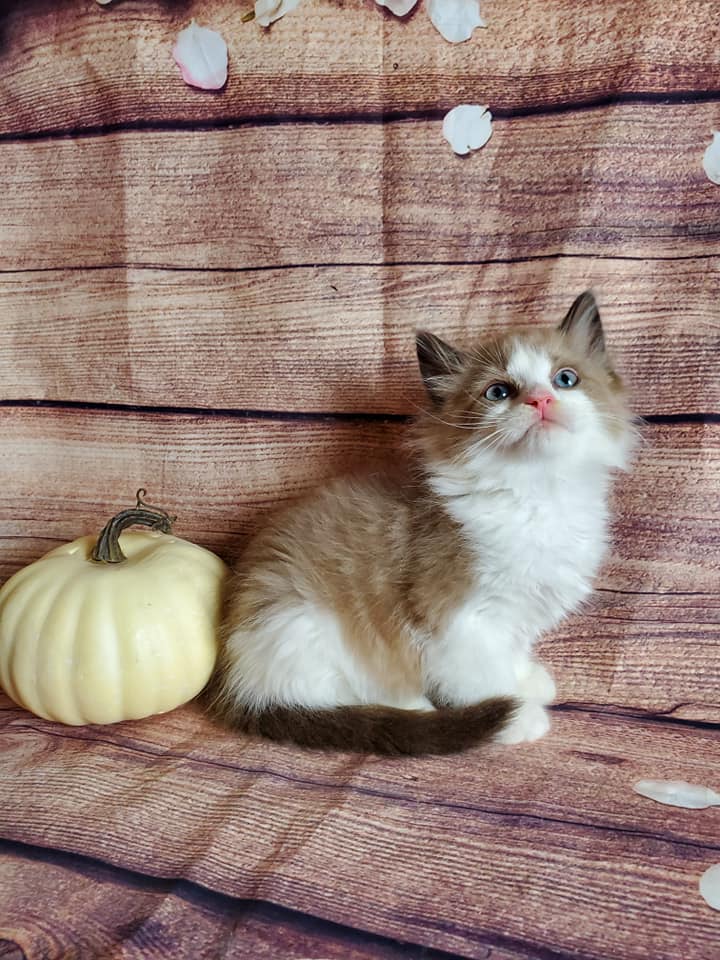
What to Expect During Your Ragdoll Kitten’s First Week Home
Bringing home a Ragdoll kitten is exciting, though the first several days may feel quieter and less predictable than expected. A kitten is leaving familiar scents, littermates and daily handling, so hiding, sleeping frequently or eating a little less can be normal while they adjust.
Ragdolls are generally gentle, people-focused cats with soft voices and a relaxed temperament. Their confidence still develops at an individual pace. A calm room, consistent routine and patient handling will help your new companion settle into an Australian home, whether you live in a Sydney apartment, a Brisbane townhouse or a larger property outside Melbourne.
Preparing Before Pickup Day
Set up one quiet room before your kitten arrives. Include a litter tray, food and water bowls, a washable bed, scratching surface, a few safe toys and a hiding place such as a covered cat bed. Keep the tray away from food, and remove loose cords, toxic plants, small objects and unsecured windows.
Ragdolls can be curious without being especially streetwise. Check flyscreens and balcony doors carefully, particularly in high-rise homes. In warmer parts of Australia, provide shade and airflow rather than placing the kitten in direct sun. Air conditioning can help during a Brisbane summer, but the room should remain comfortably warm and free from strong draughts.
Ask the breeder what food and litter the kitten already knows. Taking home familiar products reduces sudden changes during an already significant transition. The Ragdoll kitten details can also help prospective owners understand breed traits, available colours and the kind of preparation involved.
The First Few Hours At Home
Travel directly home in a secure, well-ventilated carrier. Line it with an absorbent towel and bring a spare, as nervous kittens may urinate during the journey. Keep the carrier closed in the car, even if the kitten cries. A short, calm trip is preferable to multiple stops or visits from excited family members.
Place the carrier in the prepared room and open the door when the environment is quiet. Let the kitten come out independently. Sitting on the floor and speaking softly is usually more reassuring than reaching into the carrier. Some kittens explore straight away; others remain hidden for several hours.
Avoid introducing children, visitors and resident pets on the first day. The aim is security, not entertainment. If your kitten hides but drinks, uses the litter tray and gradually becomes more responsive, give them time. A familiar blanket or toy can make the new room smell less unfamiliar.
Food, Water And Litter Habits
Offer small meals at the times recommended by the breeder. Sudden food changes may cause diarrhoea, so transition gradually if you plan to use another complete kitten diet. Fresh water should be available at all times; a wide ceramic or stainless-steel bowl is often easier to keep clean than plastic.
Use a low-sided tray that the kitten can enter comfortably, with the same litter type used previously if possible. Scoop it regularly and watch for changes in urine, stool, appetite or energy. During the first week, keeping the tray in the safe room makes success easier before gradually expanding access to the rest of the house.
Never punish accidents. Clean the area with an enzyme-based product and consider whether the kitten was startled, could not find the tray or disliked its location. Multiple trays are useful in larger homes, and they are especially practical when a Ragdoll begins exploring several levels.
Gentle Socialisation And Play
Daily interaction should be brief, positive and predictable. Stroke the kitten when they are relaxed, gently touch paws and ears, and reward calm behaviour with a soft voice or a small food treat. This supports future grooming, nail trimming and veterinary examinations without forcing contact.
Use wand toys, soft balls and lightweight kicker toys for supervised play. Do not use hands as toys, since biting fingers can become an established habit. Allow the kitten to nap undisturbed; young cats need substantial sleep for growth and development.
Take introductions at the kitten’s pace. A resident dog should be separated initially, then introduced through scent swapping and a barrier before face-to-face contact. In homes near bushland or coastal areas of New South Wales and Queensland, keep the kitten indoors and ask an Australian vet about locally relevant flea, tick and parasite prevention.
Health Checks And Safety
Arrange a veterinary appointment during the first week, taking the breeder’s vaccination, worming, microchip and health records. The vet can check weight, heart, eyes, ears, mouth and general development, then discuss the next vaccination date, desexing and parasite control. Australian schedules and council requirements can vary between states and local government areas.
Microchipping is required under state or territory rules in many circumstances, with registration processes differing between councils. Confirm the details with your local council rather than assuming a national process. If the kitten will travel between states or arrive from overseas, check Australian Department of Agriculture import and quarantine requirements well before the journey.
Ask about the parents’ screening history, including HCM, FIV, FeLV and feline heartworm disease where relevant. A vet should be contacted promptly if the kitten has repeated vomiting, severe diarrhoea, laboured breathing, marked lethargy, refusal of food or difficulty urinating. Keep household cleaners, medications, lilies and unsafe human foods out of reach.
A Calm Routine For The Next Stage
By the end of the first week, many kittens are ready to explore beyond their original room for short, supervised periods. Expand access gradually and keep the safe room available. A predictable pattern of meals, play, grooming and sleep helps a sensitive kitten understand what to expect.
This is also a good time to record weight, feeding amounts, toilet habits and questions for the vet. A few natural photographs can document coat development and settling progress; a professional pet photography service such as Pawprint Pictures may be useful later when your Ragdoll is comfortable and confident.
| Behaviour during week one | Usually reassuring | Contact a vet promptly |
|---|---|---|
| Hiding | Comes out for food, water or play | Remains unresponsive or cannot be roused normally |
| Appetite | Eats smaller meals while adjusting | Refuses food or water for an extended period |
| Toilet habits | Uses the tray with occasional transition accidents | Strains, cannot urinate, or has persistent diarrhoea |
| Sleep | Sleeps often but wakes for meals and interaction | Extreme weakness, breathing difficulty or collapse |
| Social behaviour | Gradually accepts gentle contact | Pain, repeated crying or sudden deterioration |
The first week is about trust rather than perfection. Your Ragdoll kitten may need time to become comfortable with new sounds, routines and people, but steady care will build confidence. Keep the environment safe, monitor basic health signs and remember that a quiet, predictable home gives your kitten the strongest start.