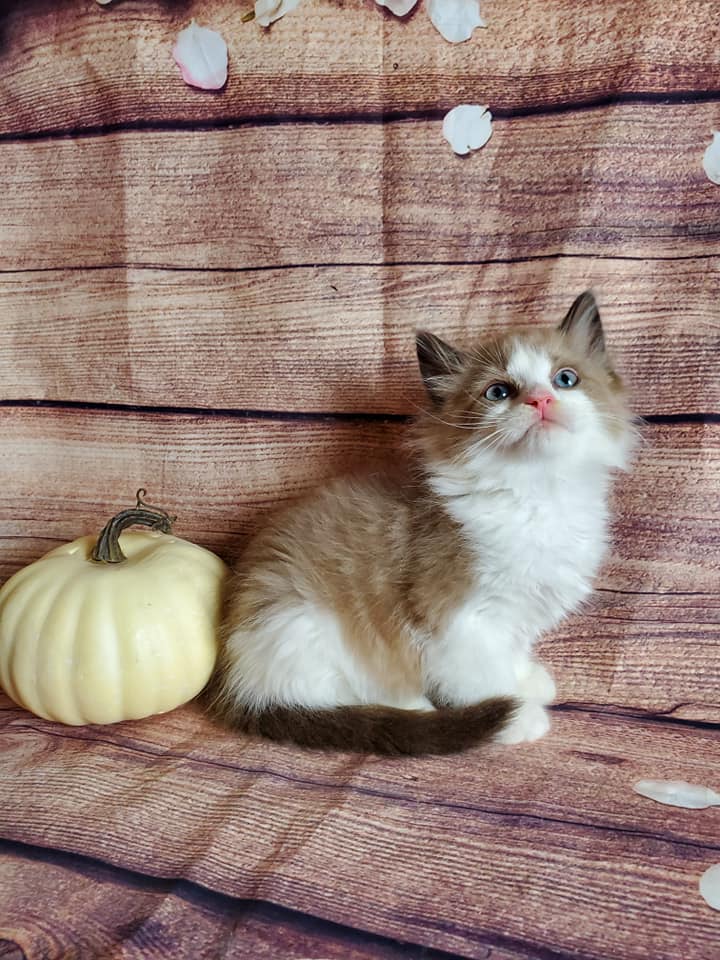
First bath and drying for a Ragdoll kitten
Bringing a new Ragdoll kitten home is exciting, and one of the first grooming tasks many Australian owners wonder about is the very first bath. Ragdolls are famous for their plush, semi-long coats and famously easy-going temperaments, yet they are not a breed that requires frequent washing. A gentle first bath, followed by careful drying, sets the pattern for future grooming and helps your kitten learn that water and handling are nothing to fear. Knowing what to expect makes the whole process smoother for both of you.
Because Ragdolls are slow-maturing and can take up to four years to reach full coat colour and length, their early experiences shape lifelong behaviour. A calm, confident introduction to bathing also supports the socialisation goals your cattery has already begun. If you live in a warmer pocket of the country, such as Brisbane or Perth, you may find baths particularly useful during the warmer months when shedding ticks over. In cooler regions like Hobart or Melbourne's outer suburbs, indoor drying matters even more.
Setting up a safe bathing area
Choose a quiet spot, ideally a laundry or bathroom with a door that closes firmly so a curious kitten cannot bolt into the hallway. A non-slip mat on the floor of the tub or sink gives your Ragdoll something secure to stand on, which reduces panic. Have everything ready before you bring the kitten in: a shallow tub or basin, a jug or spray nozzle, two soft towels, a low-noise dryer or several dry towels, and a small treat reserved for afterwards. Australian pet owners often keep a spare towel in the laundry cupboard specifically for muddy paws after a trip to the off-leash beach, and the same habit works well for kitten bathing.
The water depth should only reach your kitten's belly when standing. Many people in Sydney and Adelaide use a baby bath placed inside the shower, which keeps the kitten contained and prevents slipping. Make sure the room is warm, around 24 degrees Celsius, with no cold drafts. A bathroom with a heat lamp or underfloor heating is ideal during a Melbourne winter.
Water temperature and kitten comfort
Lukewarm water, around 35 to 38 degrees Celsius, feels closest to a cat's natural body temperature and avoids shocking the skin. Always test the water with your wrist or elbow before lowering the kitten in. Cold water tightens muscles and makes the experience unpleasant, while hot water can scald sensitive skin. Aussies used to chilly mornings often assume a warmer bath is needed, but for a kitten this is not the case.
Speak softly throughout the bath, using a calm, repetitive tone. Many Australian owners use familiar words like "good little mate" or a nickname the kitten already recognises from the cattery. Slow, deliberate movements and a steady hand on the kitten's shoulder help them understand they are safe. If your kitten starts to tremble, lift them out, wrap them in a warm towel, and try again another day rather than forcing the process.
Choosing the right shampoo
Ragdolls have a low amount of body oil compared with many breeds, so a mild, moisture-replenishing shampoo suits them best. Look for products labelled for kittens or for sensitive skin, free from harsh sulphates and artificial fragrance. Australian pet retailers such as Petstock and online stores carry several suitable options, often priced between twenty and forty Australian dollars for a quality bottle. Avoid any shampoo designed for dogs, as the pH balance differs and can irritate feline skin.
If your kitten has been outdoors at all, check the label for flea and tick control ingredients suitable for kittens under twelve weeks. In Australia, where paralysis ticks are a concern along the eastern seaboard from North Queensland down to Gippsland, owners sometimes add a vet-approved preventative. Always check with your local vet, especially one accredited with the Australian Veterinary Association, before combining a medicated shampoo with any parasite treatment.
The bath step by step
Begin by brushing the coat gently to remove loose fur, which prevents matting when wet. Lower the kitten slowly into the water, supporting the chest and hindquarters. Use a jug or gentle spray to wet the back, neck and tail, keeping the head dry by cupping your hand over the ears. Apply a coin-sized amount of shampoo and lather softly along the back, under the belly, and around the legs, avoiding the face and ears.
Rinse thoroughly, as leftover shampoo can irritate the skin and cause itchiness later. Lift the kitten onto a towel and gently squeeze, never rub, the coat to remove excess water. A second dry towel helps absorb moisture from the dense undercoat, particularly around the britches and tail. Reward the kitten with a small piece of cooked chicken or a favourite treat, then move straight to the drying stage.
Drying without stress
Ragdolls have a single coat with guard hairs, but they still hold a surprising amount of water. A quiet hairdryer on the lowest heat and speed setting works well, held at least twenty centimetres from the coat. Introduce the sound gradually by turning it on in another room first, then bringing the kitten closer. Many Australian groomers recommend a pet-specific dryer with a low decibel rating, available from stores like Greencross or specialist pet boutiques.
If you prefer towel drying, expect to use three to four towels and to spend around fifteen minutes working through the layers. Brush gently with a wide-tooth comb as you dry, which prevents tangles and helps the coat dry evenly. Keep the kitten in a warm room until completely dry, particularly on a chilly Adelaide evening or a damp Brisbane arvo after a storm. A loose collar or harness can be helpful to hold a wriggly kitten still during the last few minutes of brushing.
| Drying method | Time required | Noise level | Best for |
|---|---|---|---|
| Towel drying | 15–20 minutes | Silent | Anxious kittens, apartments, late-evening washes |
| Low-heat hairdryer | 8–12 minutes | Moderate | Kittens already used to household sounds |
| Professional pet dryer | 5–8 minutes | Variable | Breeder-style blow-outs, thick coats |
After the bath and ongoing grooming
A freshly bathed Ragdoll often displays a burst of zoomies, racing around the loungeroom before settling down. This is normal and a healthy sign that the kitten feels comfortable. Offer a quiet nap spot, fresh water, and a small meal within the hour. Continue handling paws, ears and tail over the following days so the next bath feels routine.
Helpful items to keep in your grooming kit
- A wide-tooth steel comb
- A slicker brush suited to semi-long coats
- A pack of microfibre towels
- A spare jug with a narrow spout
Signs your kitten coped well with the bath
- Loose, relaxed body posture afterwards
- Curiosity rather than hiding
- Willingness to be brushed within twenty-four hours
- Normal appetite and litter tray use
The first bath is less about getting perfectly clean and more about building trust. Take it slow, keep the water warm, dry thoroughly, and finish with a favourite treat. With consistent handling, your Ragdoll will soon treat bath time as just another part of life on the couch.