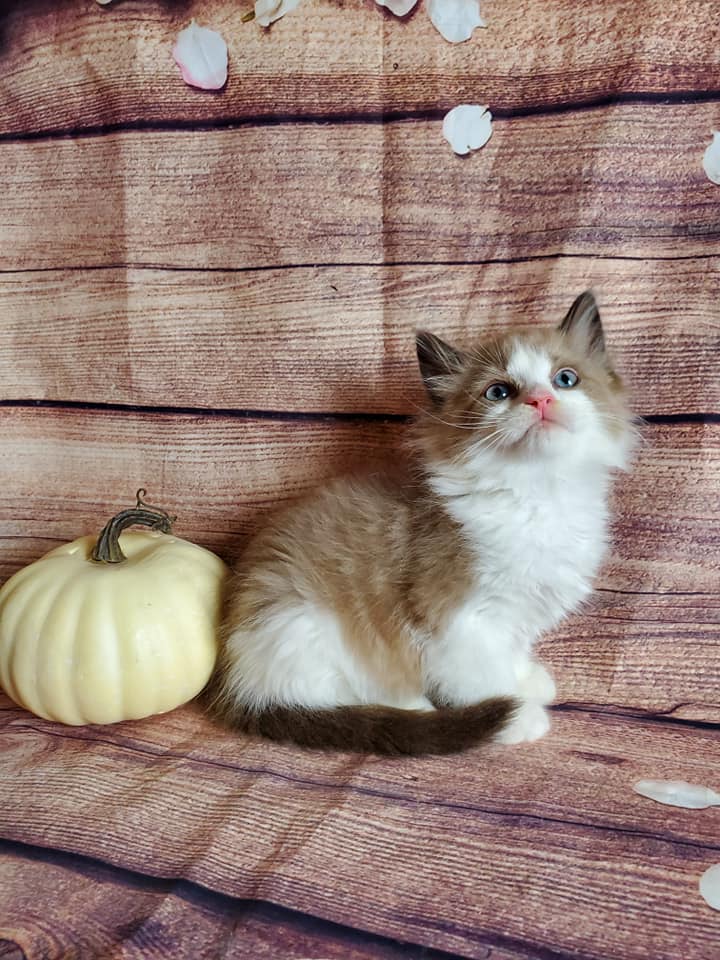
What to Expect When Adopting from a TICA-registered Cattery
Adopting from a TICA-registered cattery should provide more structure than buying a kitten sight unseen. TICA, The International Cat Association, maintains registrations and breed standards. Registration supports accountability, but it is not a health guarantee or a substitute for checking records and arranging an independent veterinary assessment.
Ragdolls are semi-longhaired, often blue-eyed and best known for colourpoint or mitted coats. This Ragdoll breed information is a useful starting point for coat care and expected traits, but individual kittens differ in confidence, activity and tolerance for handling. Breed tendencies should guide questions, not replace observing the particular kitten.
For Australian households, adoption may involve international planning. Ragdoll Kittens Cattery is a small, TICA-registered hobby cattery in Helena, Montana, with limited purebred Ragdoll kittens intended as pets or therapy cats. In Sydney, Melbourne, Brisbane and Perth, pedigree demand can mean waiting lists, while travel from Montana adds aviation, biosecurity and customs requirements.
Comparing the Main Adoption Routes
Before choosing, compare routes on evidence and support, not price alone. Ask each provider for the same information and confirm whether records are originals, dated copies or summaries.
| Route | Information you should request | Common trade-off |
|---|---|---|
| TICA-registered cattery | Pedigree, litter identity, vaccination, deworming, screening results, socialisation notes and written adoption terms | Limited availability and higher fees may lead to waitlists |
| Rescue or shelter | Veterinary history, vaccination status, foster observations and post-adoption support | Pedigree and family history may be unavailable |
| Unverified online seller | Visible parentage and a chance to meet the litter | Registration, screening and aftercare can vary, so verification is essential |
Ragdoll Kittens Cattery raises kittens indoors in a cage-free family environment and handles them daily, details worth confirming rather than assuming. Ask who raised each kitten, how littermates were separated, what the socialisation routine involved and what support remains after placement. A well-written contract should state fees, deposits, sterilisation terms, return policies and responsibility for transport.
Health Records and Veterinary Screening
Request dated veterinary records for the kitten and, where possible, its parents. Ragdoll Kittens Cattery emphasises screening for HCM, FIV, FeLV and feline heartworm disease. Results need context: a negative test reduces specified risk but cannot promise lifelong health, and a positive result should be discussed openly rather than hidden.
HCM screening may include a heart examination, echocardiogram and genetic testing. A DNA result cannot identify every form of HCM, so ask what imaging was performed and at what age. Likewise, confirm whether FIV and FeLV results came from a laboratory and whether FeLV status is known before vaccination.
Feline heartworm risk in Australia varies with mosquito exposure and location; it is not simply a US issue. In Brisbane and other warmer regions, discuss year-round prevention with a local veterinarian, while cooler-city adopters should follow regional guidance. A baseline examination soon after arrival can also reveal respiratory, dental or developmental concerns missed during a busy kittenhood.
Matching a Kitten to Your Home
Ragdolls are often affectionate and relaxed around people, but this does not mean every kitten will be a lap cat or enjoy children. Some need retreat space, predictable handling and several hours of play. A responsible match considers existing pets, work routines and whether the household wants a highly interactive companion.
Urban apartments can work well if the kitten receives enrichment rather than confinement. In Sydney and Melbourne, landlord approval and body corporate rules often matter; Brisbane households also need reliable indoor cooling during hot weather. Provide vertical perches, scratching posts, hiding places, daily play and an litter routine suited to a semi-longhaired cat that sheds.
Introductions to resident cats should be gradual, while children learn to let the kitten approach and leave. Dogs need calm greetings and supervision. If a dog reacts to food, this guide to recognising food allergy signs can help with canine dietary decisions, but a veterinarian should assess each animal separately rather than transfer canine advice to the kitten.
Travel, Arrival and the First Weeks
Moving a kitten from Helena to Australia requires more than a flight booking. Check the Australian Government’s BICON database, importer requirements, state or territory rules and the airline’s animal policy. Depending on the route, you may need an import permit, microchip identification, vaccination documentation, an approved veterinary examination and post-arrival biosecurity checks.
Australian buyers comparing local breeders should ask whether transport is accompanied, overnight or shared with other animals, and who monitors the kitten. Courier journeys are common in the local market, but direct flights and a calmer handoff can reduce stress. Climate-controlled handling matters during summer heat and winter cold.
Prepare a quiet room before arrival with water, food, a covered litter tray, scratching surface and a small hiding place. Keep the kitten indoors while it settles, then book a veterinary check within a few days. Keep records handy and maintain a steady feeding and play routine through jet lag and environmental change.
A Practical Adoption Checklist
A sound adoption decision rests on a few verifiable details:
- Ask for the cattery’s TICA details, pedigree, kitten identity, vaccination and deworming schedule, and a written agreement covering fees and responsibilities.
- Review dated HCM, FIV, FeLV and heartworm results, including the examination method, and arrange an independent veterinary check.
- Confirm daily socialisation, household compatibility, transport arrangements and the support available if the placement does not work.
- Budget for food, litter, veterinary care, parasite prevention, insurance, indoor enrichment and the long-term commitment.
Most importantly, remember that registration is a starting point, not the finish. Trust grows when health evidence is specific, expectations about temperament are realistic, and the kitten’s daily needs fit the household. The lasting standard is a healthy, well-socialised cat placed with an informed, prepared home, not pedigree prestige on its own.