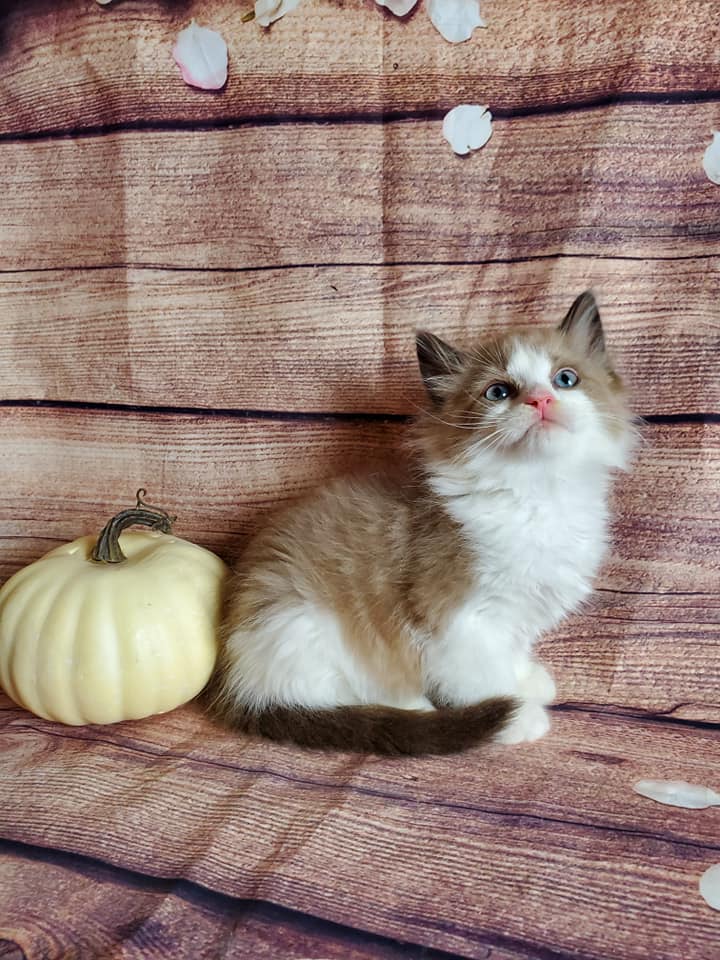
Bringing Home Your Ragdoll Kitten With Confidence
Bringing home a Ragdoll kitten is an exciting step, but the first few days are also a major transition. Your new companion is leaving familiar scents, littermates, and caregivers for a new environment filled with unfamiliar sounds and routines.
Ragdolls are known for their affectionate nature, gentle behavior, and striking blue eyes. They are often people-oriented cats that enjoy companionship, yet every kitten has an individual personality. A calm, prepared welcome helps your kitten feel secure while building trust with the entire household.
A small, family-based cattery can give kittens valuable early exposure to normal household activity. At Ragdoll Kittens Cattery in Helena, Montana, kittens are raised indoors in a cage-free setting and handled daily, giving them a foundation for becoming confident pets or potential therapy cats.
Prepare The Home Before Arrival
Choose a quiet starter room before pickup day. This space should include food and water bowls, a comfortable bed, a clean litter box, scratching options, and a few safe toys. Keeping the kitten in one manageable area at first allows them to learn the household gradually rather than becoming overwhelmed.
Remove hazards such as exposed electrical cords, toxic plants, loose strings, and small objects that could be swallowed. Check windows and screens, block narrow gaps behind appliances, and keep cleaning products securely stored. Ragdoll kittens are curious and may explore places that seem inaccessible to an adult cat.
Ask the cattery about the kitten’s current food, litter type, sleep schedule, and favorite toys. Maintaining familiar smells and supplies during the first week can make the adjustment easier. Details about deposits, timing, supplies, and other policies can be reviewed through the cattery’s adoption information.
Make The First Day Calm
Travel home in a secure, well-ventilated carrier lined with a washable blanket. Avoid carrying the kitten loose in the vehicle, even if they seem relaxed. A familiar towel or small toy can provide reassuring scent during the journey.
Once home, bring the carrier directly to the prepared room and close the door before opening it. Let the kitten come out at their own pace. Some kittens begin exploring immediately, while others hide for several hours. Quiet company, a soft voice, and limited handling can help them settle without pressure.
Keep introductions gradual. Children should sit calmly and allow the kitten to approach, while other pets should remain separate until the new arrival is comfortable. Early interactions should be supervised and brief, with plenty of opportunities for the kitten to retreat.
Establish Familiar Daily Routines
Offer the same kitten food used by the breeder for the initial adjustment period. Sudden diet changes can cause digestive upset, so any transition to a new formula should happen slowly over several days. Fresh water should be available at all times, preferably in a bowl placed away from the litter box.
Show the kitten where the litter box is located soon after arrival and after naps or meals. Most kittens learn quickly when the box is easy to reach and kept clean. A low-sided box may be useful for a young kitten, while unscented litter can be gentler for sensitive noses.
Ragdolls mature into large cats, so consider their future size when selecting carriers, beds, scratching posts, and climbing furniture. Choose sturdy equipment that will remain useful as your kitten grows. Daily play sessions with wand toys or soft balls provide exercise and help direct natural hunting behavior toward appropriate objects.
Monitor Health And Development
A new kitten should have a veterinary appointment according to the schedule recommended by the breeder and veterinarian. Bring vaccination and deworming records, registration information, and any written health guarantees. The veterinarian can assess weight, eyes, ears, teeth, heart, coat, and overall development.
Responsible health screening is an important part of selecting a Ragdoll kitten. The cattery emphasizes testing and screening related to HCM, FIV, FeLV, and feline heartworm disease. Ask for the records you are entitled to receive and keep them with your kitten’s future medical documents.
Watch for changes in appetite, energy, litter box habits, breathing, or stool quality. Mild nervousness during the first day is common, but persistent refusal to eat, repeated vomiting, diarrhea, breathing difficulty, or unusual lethargy requires prompt veterinary advice.
| Area | What To Expect | Helpful Response |
|---|---|---|
| Appetite | Eating may be lighter during the first day | Keep familiar food available and monitor intake |
| Sleep | Kittens often sleep for long periods | Provide a warm, quiet resting place |
| Social behavior | The kitten may seek attention or hide | Allow choice and avoid forced handling |
| Litter habits | Routine may be unsettled briefly | Use familiar litter and keep the box clean |
| Play | Short bursts of energetic activity are normal | Offer safe toys and supervised play |
| Coat care | Long, soft fur needs regular attention | Begin gentle brushing with short sessions |
Build Trust Through Gentle Interaction
Ragdolls often enjoy close companionship, but affection should develop at the kitten’s pace. Sit on the floor, speak softly, and reward voluntary approach with calm petting or a small treat. Avoid grabbing, chasing, or restraining the kitten for cuddles.
Daily handling can include touching paws, looking briefly at ears, and gently brushing the coat. These experiences make future nail trims, grooming, and veterinary examinations less stressful. Keep sessions short and end while the kitten is still relaxed.
Use positive reinforcement to teach household boundaries. Redirect biting toward a toy, reward scratching on a post, and praise calm behavior. Consistent responses from every family member help the kitten understand expectations without fear.
Support A Healthy Long-Term Relationship
Ragdoll kittens benefit from predictable companionship and interactive play. Although they may be relaxed compared with more active breeds, they still need mental stimulation, climbing opportunities, and attention. Puzzle feeders, window perches, and rotating toys can prevent boredom.
Their semi-long coat usually requires regular brushing to reduce tangles and hair ingestion. Start with brief, pleasant grooming sessions and use tools suited to a soft, delicate coat. Nail care, dental habits, and routine weight monitoring should also become familiar parts of life.
Before adoption, make a written care plan covering feeding, veterinary visits, grooming, safe travel, and holiday arrangements. This preparation is especially valuable for families hoping to welcome a calm companion or therapy cat, since temperament, training, and ongoing health support all matter.
Practical Steps For A Smooth Transition
- Prepare one quiet room with food, water, litter, bedding, toys, and a scratching post.
- Keep the kitten’s diet and litter consistent during the first several days.
- Schedule veterinary care and organize vaccination, deworming, and health records.
- Introduce children, visitors, and other pets gradually and under supervision.
- Practice gentle grooming and handling in short, positive sessions.
Patience is the most useful resource during this adjustment. Some kittens become confident within hours, while others need a week or more before they explore freely. A steady routine, respectful handling, and attentive observation create the conditions for a secure bond.
When the kitten is ready, expand access to the rest of the home one area at a time. Continue providing a retreat where the cat can rest undisturbed. With thoughtful preparation and consistent care, your Ragdoll can grow from a cautious newcomer into a loving, well-adjusted member of the family.
Begin preparing the starter room, gather the recommended supplies, and review the adoption details before pickup day so your kitten’s first experience at home is safe, gentle, and welcoming.