What to Expect When Your Ragdoll Kitten Reaches Adolescence
Your Ragdoll kitten’s transition into adolescence is a gradual stage filled with physical growth, changing behavior, and new social experiences. Although Ragdolls are known for their gentle, affectionate nature, young cats can become more energetic, curious, and independent between approximately six months and two years of age.
This period is an important bridge between kittenhood and adulthood. Your cat may still seek cuddles and reassurance while also testing boundaries, exploring every room, and developing stronger preferences about food, play, handling, and daily routines.
A calm home, consistent care, and regular veterinary guidance can help your adolescent Ragdoll mature into a confident companion. Understanding the changes ahead makes it easier to recognize normal development and identify concerns that deserve professional attention.
Physical Growth And Maturity
Ragdolls mature slowly compared with many other cat breeds. Your kitten may continue gaining size, muscle, and coat fullness well beyond the first year. Full physical development commonly takes several years, so an adolescent Ragdoll can look lanky or uneven for a while before reaching a balanced adult appearance.
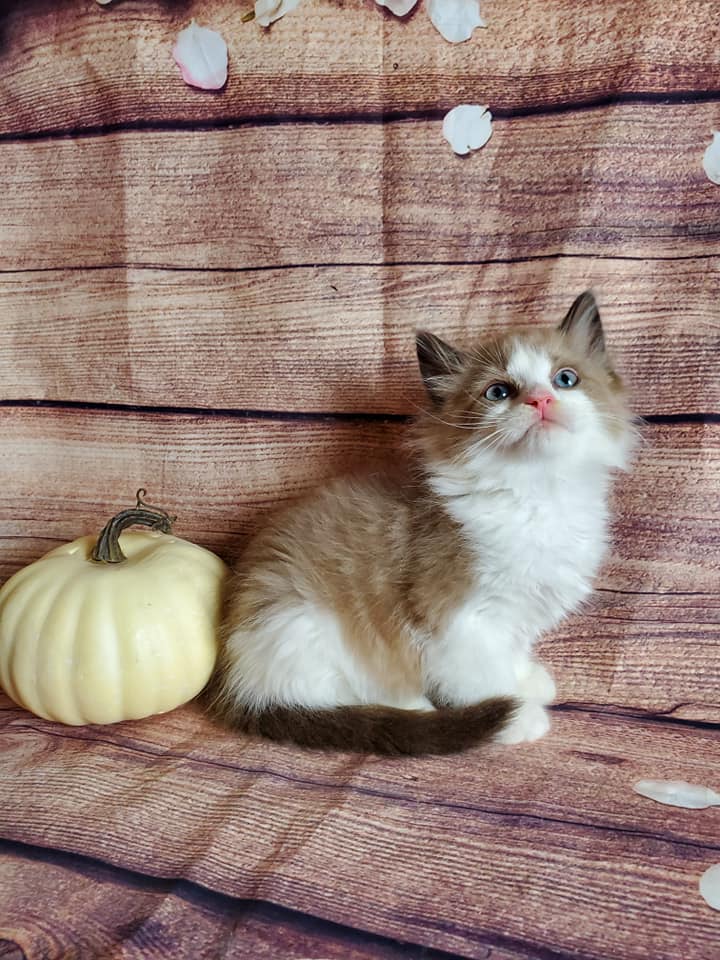
The breed’s signature colorpoint coloring also develops gradually. The ears, face, legs, and tail may become darker as your cat ages, while the body remains lighter. Markings and blue eye color are established by genetics, but the final appearance can continue changing during adolescence.
Growth should be steady rather than excessive. Regular weigh-ins at veterinary appointments can help track progress, especially after spaying or neutering, when calorie needs may change. A complete diet formulated for the appropriate life stage supports bones, muscles, coat quality, and healthy body condition.
Behavior, Energy, And Social Changes
Many Ragdoll adolescents become more playful and athletic than they were as young kittens. Expect bursts of running, climbing, pouncing, and chasing, often followed by long naps. A large cat tree, sturdy scratching posts, interactive toys, and daily play sessions provide safe outlets for this energy.
You may also notice brief periods of independence. A kitten that once followed you everywhere might spend more time observing from a favorite perch or sleeping in another room. This does not necessarily mean your bond is weakening. Adolescents are practicing confidence while continuing to benefit from positive attention and predictable companionship.
Hormonal changes can influence behavior if your kitten has not yet been altered. Marking, roaming attempts, vocalization, or mounting may appear. Discuss the appropriate timing for spaying or neutering with your veterinarian, taking your kitten’s health, development, and household circumstances into account.
Daily Care During The Teen Months
Long Ragdoll coats need regular grooming as the kitten grows. Gentle brushing several times a week helps remove loose hair, reduce tangles, and make coat care familiar. Pay particular attention to areas behind the legs, under the chin, and around the armpits, where mats can form.
Dental care, nail trims, and routine handling should remain part of normal life. Keep sessions brief and rewarding with praise or a small portion of an appropriate treat. Cooperative care is especially valuable for a large adult cat that may need examinations, grooming, or medication later.
| Area of care | What may change in adolescence | Helpful routine |
|---|---|---|
| Feeding | Appetite and calorie needs may shift after growth or sterilization | Follow veterinary guidance and monitor body condition |
| Exercise | Energy may increase and play may become more vigorous | Provide two or more interactive play sessions daily |
| Grooming | Coat length and shedding may become more noticeable | Brush regularly and check for mats |
| Social behavior | Independence, excitement, or boundary testing may appear | Use calm, consistent responses |
| Veterinary care | Preventive needs and reproductive planning become important | Maintain exams, vaccines, parasite prevention, and testing |
Health Monitoring And Veterinary Visits
Adolescence is a useful time to establish an adult preventive care plan. Routine examinations allow your veterinarian to assess weight, heart and lung sounds, teeth, joints, coat, and overall development. Keep vaccinations and parasite prevention current according to local risk and professional recommendations.
Responsible Ragdoll breeding includes attention to inherited and infectious health concerns. Ask for records relevant to your kitten’s background and continue discussing conditions such as hypertrophic cardiomyopathy, FIV, FeLV, and feline heartworm disease with your veterinarian. Screening practices and testing schedules can vary, so individualized veterinary advice is important.
Contact a veterinary clinic promptly if you notice persistent vomiting, diarrhea, appetite loss, breathing difficulty, unusual lethargy, sudden weight change, painful movement, or a major shift in behavior. Early evaluation is safer than assuming a concerning sign is simply part of adolescence.
Training And A Comfortable Home
Adolescent cats benefit from clear, gentle boundaries rather than punishment. Redirect biting or rough play to a toy, reward appropriate scratching, and make desirable behaviors easy to repeat. Avoid yelling or physical correction, which can create fear and make handling more difficult.
Environmental enrichment helps prevent boredom. Rotate toys, offer window views, create elevated resting places, and use food puzzles when appropriate. Secure screens, cords, toxic plants, medications, and small objects because a curious adolescent can reach places a younger kitten ignored.
Ragdolls often enjoy close human companionship, but every cat has an individual temperament. Continue inviting interaction without forcing it. A quiet retreat gives your kitten a secure place to rest when visitors, household activity, or new experiences feel overwhelming.
Habits That Support A Confident Adult Cat
Small, consistent routines can make this stage smoother for both your household and your Ragdoll. Focus on:
- Scheduling regular veterinary examinations and discussing spay or neuter timing.
- Measuring meals and monitoring body condition rather than relying on appetite alone.
- Providing daily interactive play, climbing opportunities, and sturdy scratching surfaces.
- Practicing gentle brushing, nail care, dental care, and carrier training.
- Rewarding calm behavior and using positive redirection during rough play or unwanted scratching.
A cage-free, family-raised kitten often enters adolescence with a strong foundation in household sounds, handling, and human interaction. Continuing that foundation at home helps preserve confidence while your cat develops greater independence.
Growing Together Through Adolescence
The adolescent stage can bring extra activity, changing routines, and occasional surprises, but it is also a rewarding time to deepen your relationship. Your Ragdoll is learning how to move through the world as a larger, more capable cat while still relying on you for security, health care, and affection.
If you are preparing for this stage with a kitten from Ragdoll Kittens Cattery, review health records, feeding instructions, grooming expectations, and transition guidance before your kitten comes home. Reach out to learn more about available Ragdoll kittens, their family-raised start, and the care that supports them as they grow into loving companions or therapy cats.