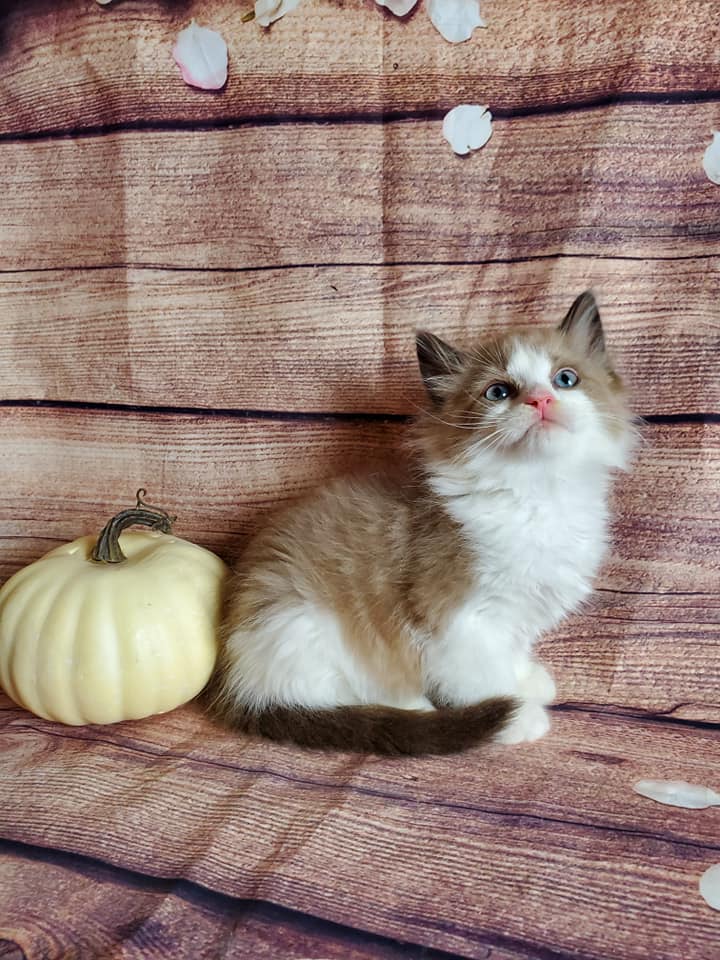
Choosing the right insurance for a Ragdoll cat
Ragdoll cats are known for their gentle temperament, affectionate nature, and striking blue eyes. Their calm personality can make them wonderful family companions and therapy cats, but every cat can face unexpected illness or injury. Pet insurance can help protect your budget while giving you more flexibility when veterinary care is needed.
The best policy depends on your kitten’s age, health history, lifestyle, and the type of care you want covered. A plan that works well for a young indoor cat may not be the right choice for a senior Ragdoll, a traveling companion, or a cat being considered for therapy work.
Understanding exclusions, reimbursement rules, deductibles, and breed-related conditions is especially important before enrolling. Reading the policy carefully can prevent unpleasant surprises when you need to submit a claim.
What pet insurance usually covers
Most comprehensive plans combine accident and illness coverage. Accidents may include broken bones, swallowed objects, bite wounds, or other sudden injuries. Illness benefits can apply to infections, digestive disorders, cancer, and qualifying hereditary or congenital conditions.
Some policies pay for diagnostic testing, surgery, hospitalization, prescription medication, and specialist visits. Coverage often depends on an annual limit, a per-condition limit, or an unlimited benefit structure. A lower premium may come with more restricted limits or a higher deductible.
Wellness coverage is usually an optional add-on rather than part of standard insurance. It may reimburse routine examinations, vaccinations, parasite prevention, dental cleanings, or spaying and neutering. These plans can help spread predictable costs across the year, but they are not designed to cover major medical emergencies.
Breed-related details to review
Ragdolls may be predisposed to certain inherited conditions, including hypertrophic cardiomyopathy, commonly called HCM. A responsible cattery can use health screening and careful breeding practices to reduce known risks, but no screening can guarantee that a cat will never develop a medical condition.
Before choosing a provider, check whether hereditary and congenital illnesses are covered. Some insurers include them automatically, while others exclude them, impose special waiting periods, or require enrollment before symptoms appear. Ask how the company defines a pre-existing condition and whether a previous test result could affect future eligibility.
A policy may also treat chronic conditions differently from temporary illnesses. Confirm whether coverage continues year after year, whether an annual limit resets, and whether the insurer can change terms at renewal. Health records from the cattery and your veterinarian can help establish a clear medical history.
Comparing common coverage options
There is no single best plan for every Ragdoll household. Accident-only insurance generally costs less but provides limited protection. Accident and illness coverage is broader and is often the most suitable foundation for a young kitten. Wellness benefits can be added when predictable routine expenses are a priority.
| Coverage option | Commonly helps with | Main limitation |
|---|---|---|
| Accident-only | Injuries, foreign-object ingestion, emergency treatment | Does not cover illnesses |
| Accident and illness | Injuries, infections, chronic disease, surgery, diagnostics | Exclusions and waiting periods apply |
| Wellness add-on | Vaccines, exams, preventive care, routine procedures | Usually does not cover unexpected major illness |
| Comprehensive with hereditary benefits | Broad medical care, including qualifying inherited conditions | Often costs more and requires careful policy review |
| Liability coverage | Certain third-party injury or property claims | Usually separate from medical pet insurance |
Therapy cats may require additional consideration. Medical pet insurance generally does not cover professional certification, behavior training, or liability claims connected with visits outside the home. If a cat will participate in organized therapy activities, review any requirements from the program and consider separate animal liability protection.
How deductibles and reimbursements work
A deductible is the amount you pay before the insurer contributes. It may be annual, meaning it applies once per policy year, or per condition, meaning it can apply separately to different medical problems. Annual deductibles are often easier to understand and budget for.
After the deductible, the insurer typically reimburses a percentage such as 70%, 80%, or 90% of eligible expenses. Many companies use a reimbursement model in which you pay the veterinary clinic first and then submit a claim. Others may offer direct payment in limited circumstances.
Look closely at whether reimbursement is based on the actual invoice or a benefit schedule. Also compare annual coverage limits, claim-processing times, exam-fee coverage, prescription rules, and emergency specialist benefits. A low monthly price may not be valuable if the plan has narrow limits or excludes the treatment your cat is most likely to need.
Timing, enrollment, and travel considerations
Insuring a kitten soon after adoption can reduce the chance that a developing condition will be classified as pre-existing. Policies commonly have separate waiting periods for accidents, illnesses, orthopedic concerns, and particular hereditary conditions. Coverage generally begins only after the relevant waiting period has passed.
Ask whether the insurer requires a veterinary examination or medical records. Keep vaccination information, health screening results, adoption documents, and invoices organized. If your Ragdoll travels, verify whether the plan covers veterinary treatment outside Montana, across the United States, or internationally. Planning ahead with stress-free cat travel tips can make trips easier, but travel-related insurance rules still need separate review.
Some policies exclude boarding, routine travel costs, quarantine, or treatment in another country. If you fly or take extended road trips, ask about emergency care away from your usual veterinarian and whether claims require a licensed practitioner in a specific region.
A practical insurance checklist
Before enrolling, compare several policies using the same assumptions for deductible, reimbursement percentage, and annual limit. This makes price differences easier to evaluate and highlights which plan offers meaningful protection rather than simply the lowest premium.
- Confirm coverage for hereditary and congenital conditions, including how HCM-related care is handled.
- Check waiting periods, pre-existing-condition rules, exclusions, and upper age limits.
- Compare annual deductibles, reimbursement percentages, and maximum yearly benefits.
- Verify whether examinations, diagnostics, prescriptions, specialists, dental care, and emergency treatment are included.
- Ask about claim submission, renewal changes, travel coverage, and optional liability protection.
Premiums may increase as a cat ages, and insurers can revise pricing or policy terms at renewal. Keep reviewing the plan as your Ragdoll’s needs change, especially after a diagnosis, move, or change in lifestyle.
Making a confident choice for your kitten
A healthy start, regular veterinary examinations, preventive care, and thoughtful breeding all support a Ragdoll’s long-term wellbeing. Insurance is one part of that preparation, helping families manage unexpected expenses without making medical decisions based only on cost.
When adopting from a small, health-focused cattery, request the available health records and ask how they can be shared with your veterinarian and insurer. Review policies before bringing your kitten home, enroll promptly if the coverage meets your needs, and keep all documents in one accessible place. That preparation gives your new companion a stronger foundation for a happy life with your family.