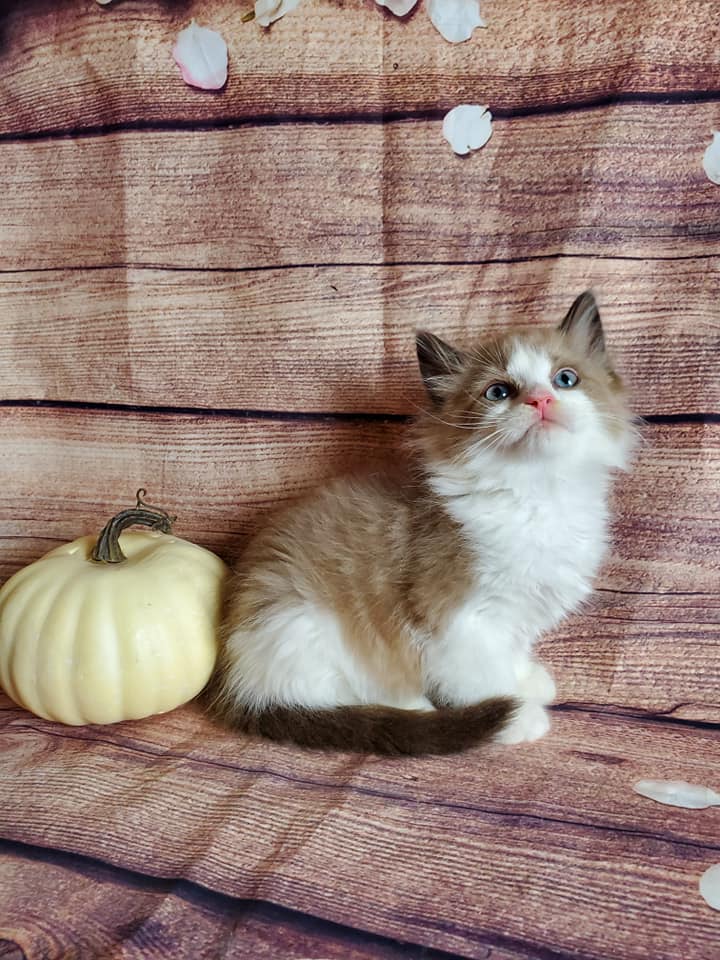
What to Know About Ragdoll Cats and Their Love for Water
Ragdoll cats are often described as gentle, people-focused companions with a curious relationship with water. Some will follow a running tap, dip a paw into the bath, or sit beside a shower waiting for droplets to land. Others prefer to keep every whisker perfectly dry.
This interest is usually individual rather than a guaranteed breed trait. A Ragdoll may enjoy water because it moves, sparkles, makes an appealing sound, or offers a cool sensation on a warm day. Early experiences also matter, especially when kittens are handled calmly and introduced to household sounds.
For Australian families, water curiosity can become especially noticeable during hot summers in Brisbane, Perth, or inland areas of New South Wales. A shallow bowl, damp towel, or cool tiled floor may be more welcome than a full bath. Indoor living is also important, as Ragdolls can struggle with Australia’s heat and should be protected from outdoor hazards.
The safest approach is to observe rather than force. A kitten raised in a cage-free family environment may be confident around ordinary household activity, but confidence does not mean it wants to swim. Gentle exposure, careful supervision, and respect for body language create a positive experience.
Why some Ragdolls investigate water
Ragdolls are intelligent, observant cats, and moving water naturally attracts attention. A dripping tap provides sound, motion, and changing reflections, while a water fountain can turn drinking into an engaging daily ritual. Some cats also enjoy patting floating toys or watching ripples spread across a shallow dish.
Their semi-long coat can make dampness feel different from it does for a short-haired cat. A few Ragdolls seem to enjoy the sensation, while others dislike wet fur because it becomes heavy or clings to the skin. There is no reliable rule that every blue, seal, lilac, or colourpoint Ragdoll will react in the same way.
Individual temperament is the strongest guide. A relaxed cat may investigate a bath from the edge, whereas a cautious kitten may retreat as soon as water touches its paws. Both responses are normal and should be treated with patience.
Breed traits shape the experience
Ragdolls are known for their affectionate, easy-going nature and tendency to stay close to their people. That attachment can make them more willing to explore water when a trusted owner is nearby. They may copy household routines, turning hand-washing, watering plants, or filling a basin into a social event.
Their calm reputation should not be mistaken for unlimited tolerance. Cats still need control over where they stand and how they escape. A slippery tub, deep sink, or sudden spray can quickly turn curiosity into fear, even for a friendly kitten.
Daily handling during kittenhood can help a young Ragdoll become comfortable with gentle touches around the paws, ears, tail, and coat. This is useful for grooming and veterinary care, but it does not remove the need for a gradual approach to bathing or swimming.
Safe ways to introduce water
Start with a stable, shallow container and only a small amount of lukewarm water. Let the cat approach voluntarily, then reward calm investigation with praise or a favourite treat. A damp fingertip or wet cloth is often a better first step than placing the kitten directly into a bath.
Never hold a cat underwater, spray its face, or restrain it tightly while it struggles. Keep electrical appliances away from splashes, and dry the coat promptly in a warm, draught-free room. Avoid human shampoos, which can irritate feline skin and damage the coat’s natural oils.
Most Ragdolls do not need regular bathing if they are brushed consistently and kept indoors. A bath may be appropriate after a messy accident, for a veterinary reason, or when a breeder or vet has provided specific advice. For routine hydration, a clean fountain or several fresh bowls around the home is usually more useful than water play.
How different water situations compare
| Water experience | Likely appeal | Main concern | Safer approach |
|---|---|---|---|
| Dripping tap | Movement and sound | Slippery basin or excessive drinking | Use a stable mat and supervise |
| Cat fountain | Fresh, flowing water | Cords, filters, or poor cleaning | Choose a cat-safe model and clean it often |
| Shallow play tray | Pawing and floating toys | Chilled or wet fur | Keep water low and remove it afterwards |
| Full bath | Cleaning after a mess | Stress, slipping, and heavy coat | Use lukewarm water and gentle support |
| Swimming pool or spa | Rarely beneficial | Drowning, chemicals, and unsafe exits | Keep the cat completely away |
A water-loving Ragdoll can still be vulnerable around pools, ponds, dams, and spa covers. Australian homes often have backyard pools, particularly in warmer states, so secure fencing and a firm cover remain essential. Cats should never be placed in a pool to “teach” them to swim.
Signs of enjoyment and discomfort
A cat that is comfortable will usually choose to remain near the water and show relaxed body language. Look for:
- Loose posture and normal breathing
- Gentle pawing or playful interest
- Ears held naturally forward or to the side
- Willingness to walk away and return
Stop the activity if the cat shows stress. Warning signs can include:
- Flattened ears or a tucked, tense body
- Rapid tail flicking or repeated attempts to escape
- Growling, hissing, panting, or frantic scratching
- Hiding after the water is removed
A calm pause is better than pushing through fear. The aim is a cat that trusts its environment, not one that has been made to tolerate an unpleasant bath.
Grooming and Australian household realities
Ragdolls benefit from regular combing because their soft, semi-long fur can develop knots around the armpits, chest, trousers, and tail. Weekly grooming, with extra attention during seasonal shedding, often prevents the need for stressful washing. In Melbourne or Tasmania, make sure a damp cat is thoroughly dried during cooler weather; in tropical Queensland, avoid leaving wet fur in strong air conditioning.
Summer safety deserves special attention. Fresh water should be available throughout the day, and indoor rooms need shade and airflow during heatwaves. A cool ceramic tile or wrapped ice pack placed nearby can offer relief without soaking the coat. Always check with an Australian veterinarian before using cooling products or changing a cat’s diet during extreme heat.
When buying from a breeder, families may also face interstate transport, waiting lists, and different desexing or microchipping arrangements. A reputable TICA-registered hobby cattery should explain its health programme and kitten-raising practices clearly, including screening relevant to HCM, FIV, FeLV, and feline heartworm disease.
Choosing a kitten with a confident temperament
A kitten’s early environment can influence how it responds to handling, grooming, taps, carriers, and unfamiliar rooms. Look for a breeder who raises kittens indoors, handles them daily, and can describe their personalities rather than promising that every kitten will love water. A social kitten may become a delightful companion without ever wanting a bath.
Families hoping for a pet or therapy cat should discuss lifestyle, children, other animals, and the practical realities of Australian travel. A Ragdoll that enjoys staying close to people may suit a quiet home, but its needs for companionship, grooming, indoor safety, and veterinary care remain important.
Before making arrangements, families can ask about kittens, available colours, temperament, health testing, and the adoption process. Clear communication helps match each kitten with a suitable home instead of focusing on a single charming habit such as water play.
A gentle relationship with water
Some Ragdolls will happily supervise a running tap, while others will express their opinion with one careful retreat. Both personalities fit the breed. Water curiosity can be encouraged through safe fountains, shallow play, and calm handling, but it should never be used as a measure of affection or quality.
The essential points are simple: keep water fresh, supervise every wet activity, protect cats from pools and heat, and let the individual kitten set the pace. Ragdoll cats may love water in their own unusual way, but the lasting bond comes from trust, comfort, and respectful care.