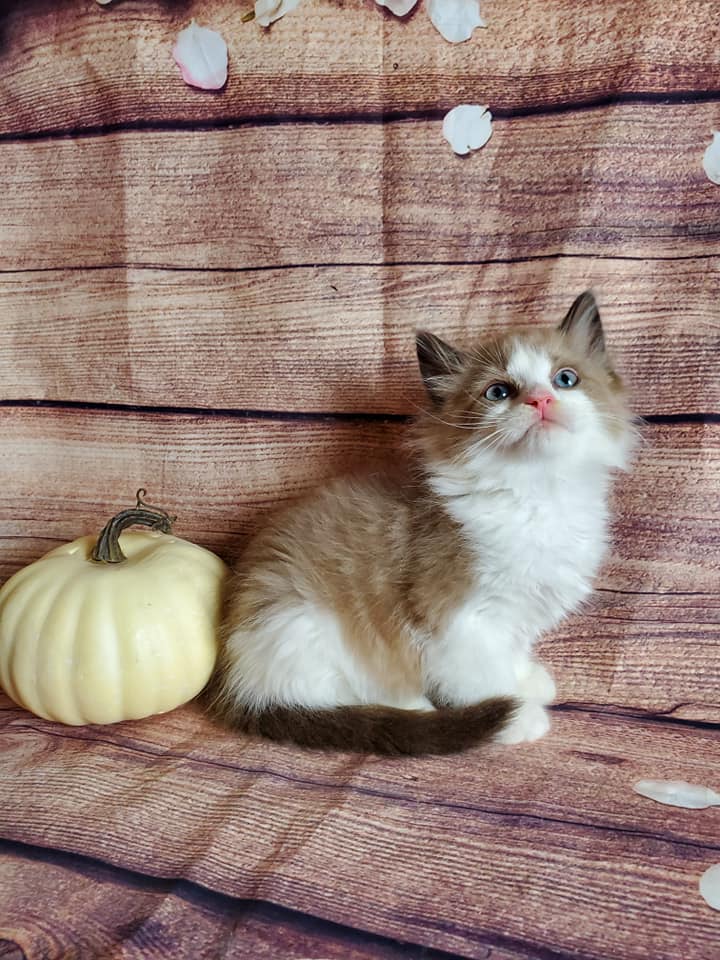
What to Look for in a Ragdoll Kitten’s Eyes, Nose, and Ears
A Ragdoll kitten should have bright, comfortable eyes, a clean nose, and ears that look free from irritation. These simple observations can reveal early signs of infection, parasites, allergies, or general poor health before a problem becomes more serious.
A home check is useful between veterinary appointments, but it cannot replace a professional examination. When choosing a kitten from a cattery in Australia, ask to see health records, vaccination details, microchip information, and evidence of regular handling. A responsible breeder should also explain the kitten’s health screening and arrange an appropriate veterinary check before or soon after adoption.
Checking A Ragdoll Kitten’s Eyes
Healthy kitten eyes are clear, open, and free from sticky discharge. Ragdolls have blue eyes, although the shade can vary from pale icy blue to a deeper sapphire tone. Eye colour alone is not a health test; comfort, clarity, and symmetry are more important.
Look at both eyes in natural light. The pupils should appear similar in size, and the kitten should be able to open its eyes without squinting. A small amount of dried tear staining may occur, particularly in pale-faced cats, but persistent watering, redness, swelling, cloudiness, or yellow and green discharge deserves veterinary attention.
Avoid wiping the eye with human medication or using leftover drops from another pet. A clean, damp cotton pad can gently remove surface debris, using a fresh pad for each eye. If the kitten is holding an eye closed, rubbing its face, or reacting painfully to light, organise prompt veterinary care.
Examining The Nose And Breathing
A Ragdoll kitten’s nose may feel cool or warm during the day, so temperature alone does not indicate illness. The more useful signs are easy breathing, a clear nostril opening, and the absence of thick mucus, crusting, or repeated sneezing.
A small clear discharge can follow mild irritation, especially after dust, litter changes, or transport. Thick white, yellow, or green discharge, blocked nostrils, frequent sneezing, coughing, reduced appetite, or noisy breathing should be investigated. Open-mouth breathing is an emergency in a kitten.
Australian conditions can add practical variables. Dry air, bushfire smoke, household dust, and hot weather in places such as Perth or Brisbane may irritate the airways. Keep the kitten indoors in a well-ventilated room, away from smoke, aerosol sprays, and dusty litter while you monitor any symptoms.
Looking Inside The Ears
A healthy ear flap is usually soft, clean, and lightly pink, though pigmentation can vary. The inner ear should not have a strong odour, heavy wax, swelling, or wet discharge. A kitten that repeatedly scratches, shakes its head, or holds one ear differently may have mites, infection, a foreign body, or inflammation.
Dark, crumbly material resembling coffee grounds can be associated with ear mites, while a waxy brown or yellow discharge may point to another ear problem. These signs cannot be diagnosed reliably by appearance alone. A veterinarian can examine the ear canal and identify whether treatment is needed.
Never insert cotton buds into a kitten’s ear. They can push debris deeper or injure delicate tissue. Do not use over-the-counter ear products unless a vet has confirmed that they are safe for the kitten and suitable for the specific cause.
A Simple Checkup Record
A short, calm observation is easier for a kitten than repeated handling. Check the face when the kitten is relaxed, record anything unusual, and compare both sides rather than focusing on one isolated mark.
Useful healthy signs to note include:
- Eyes open evenly with clear surfaces
- Nostrils clear without persistent discharge
- Ears clean, comfortable, and free from strong odour
- Normal play, appetite, and breathing
Arrange a prompt veterinary assessment when you notice:
- Squinting, eye cloudiness, or thick discharge
- Laboured breathing or open-mouth breathing
- Repeated head shaking or intense ear scratching
- Poor appetite, lethargy, or rapidly worsening symptoms
During an Australian purchase or adoption, ask whether the kitten has been examined by a vet and whether vaccination and parasite treatments are current. Microchipping and registration requirements vary between states, territories, and local councils. For example, councils in New South Wales and Victoria commonly require microchip details for registration, while the exact timing and paperwork can differ. Confirm the rules that apply to your address before bringing the kitten home.
When Normal And Concerning Signs Differ
A single tear mark after travel is different from an eye that remains closed. Likewise, a little dry nasal residue is less concerning than thick discharge combined with sneezing and low energy. Context matters, including the kitten’s age, recent vaccination, exposure to other cats, and the length of time signs have been present.
The Australian pet market includes interstate purchases and transport between cities such as Melbourne, Sydney, Canberra, and Adelaide. Travel can cause temporary stress, but a breeder should still disclose ongoing symptoms rather than describing them as normal settling-in behaviour. Written records make it easier for your local vet to continue care.
| Area checked | Usually reassuring | Signs needing veterinary advice |
|---|---|---|
| Eyes | Clear, bright, equal pupils, no persistent discharge | Squinting, redness, cloudiness, swelling, thick discharge |
| Nose | Clear nostrils and quiet breathing | Ongoing discharge, repeated sneezing, blocked nose, noisy or open-mouth breathing |
| Ears | Lightly pink, clean, little odour | Dark debris, swelling, pain, strong odour, head shaking |
| Overall condition | Alert, eating, playing, and gaining weight | Lethargy, poor appetite, dehydration, or sudden deterioration |
The most useful check is gentle, consistent, and based on changes over time. Bright eyes, a clear nose, comfortable ears, and normal behaviour are reassuring signs, while pain, discharge, breathing difficulty, or sudden changes call for professional care. When assessing a Ragdoll kitten, remember that appearance is only one part of health: reliable records and a timely veterinary examination matter just as much.