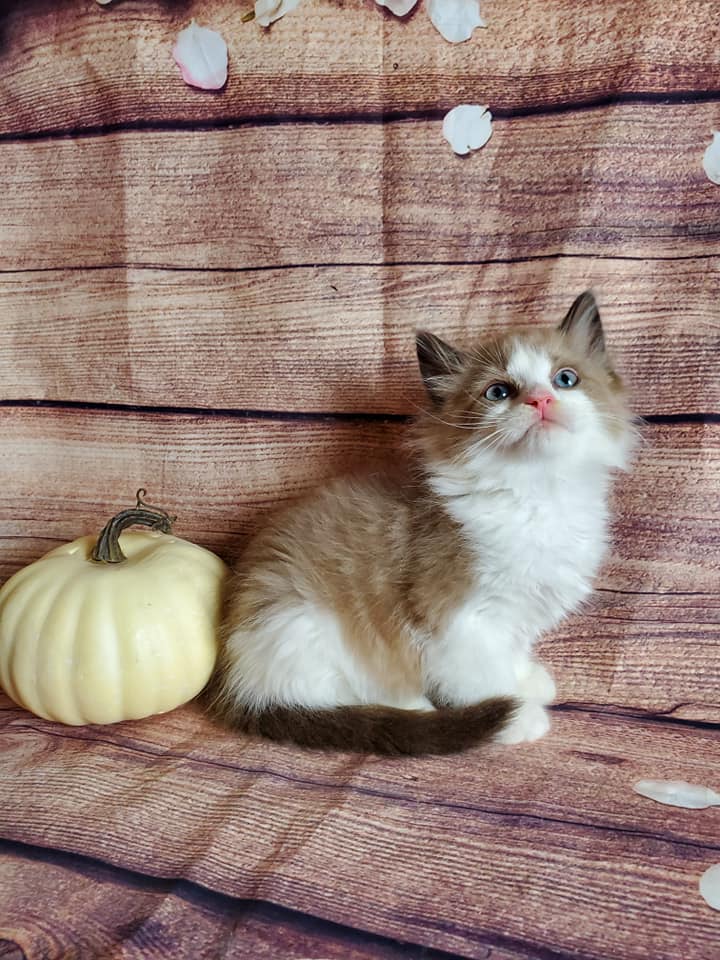
What to Look for in a TICA-Registered Ragdoll Cattery
Choosing a Ragdoll kitten involves more than admiring blue eyes, colourpoint coats and gentle personalities. A responsible cattery should offer evidence of ethical breeding, sound health practices and careful socialisation before you commit to an adoption.
For Australian families, the search may involve a breeder interstate or overseas. A small TICA-registered cattery in Helena, Montana, for example, may appeal because kittens are raised indoors in a cage-free family environment. However, buyers in Sydney, Melbourne, Brisbane or Perth also need to consider transport, import rules, currency conversion and long-term support.
The best Ragdoll breeders are open about their cats, records and processes. They should explain how kittens are raised, what health testing has been completed, when kittens go home and whether the placement suits a family pet, companion animal or therapy cat.
Verify Registration and Breeding Standards
TICA registration is a useful starting point because The International Cat Association maintains breed records and recognises established standards. Still, registration alone does not prove that every breeder follows excellent welfare practices. Ask for the cattery’s registered name, pedigree information and a clear explanation of how parent cats are selected.
Look for a breeder who can discuss temperament, bloodlines, colour genetics and possible inherited conditions without making unrealistic promises. A reputable Ragdoll cattery should also provide a written agreement covering ownership, desexing, health guarantees, return arrangements and what happens if your circumstances change.
A breeder who avoids basic questions, pressures you to pay quickly or offers several unrelated breeds in large numbers deserves extra caution. Australian buyers should also check whether the advertised price includes GST, registration, microchipping, vaccinations, desexing and transport, as inclusions vary across the local market.
Examine Health Testing and Kitten Care
Ragdolls can be affectionate, relaxed companions, but responsible breeding requires attention to preventable and inherited health concerns. Ask whether breeding cats have been screened for hypertrophic cardiomyopathy, commonly called HCM, and whether testing involved DNA screening, veterinary assessment or cardiac ultrasound. DNA results are valuable, although they do not replace broader veterinary care.
Health records should also address FIV, FeLV and feline heartworm disease where appropriate. Kittens should receive age-appropriate vaccinations, worming, veterinary checks and identification before leaving. A breeder should explain the vaccination schedule and advise when the next appointment is due with an Australian veterinarian.
Daily handling is particularly important for a Ragdoll intended as a family companion or therapy cat. Kittens raised around household sounds, visitors, grooming, gentle restraint and ordinary activity often transition more smoothly than kittens kept isolated. A family-centred, cage-free setting can support this early social development when hygiene and supervision are equally strong.
| Area to assess | Positive sign | Warning sign |
|---|---|---|
| Registration | Verifiable TICA details and pedigree records | Vague claims without documentation |
| Health | Written results and veterinary records | “Healthy” stated without evidence |
| Socialisation | Daily handling in a home environment | Little information about early experiences |
| Adoption terms | Clear contract and lifetime support | Pressure to pay or unclear conditions |
| Transport | Safe, documented travel arrangements | Last-minute or improvised delivery |
Assess the Home Environment and Temperament
Photos and video calls can reveal useful details about the cattery. Look for clean living areas, relaxed adult cats, safe kitten spaces and evidence that the kittens interact with people. Ask to see the mother with her litter where possible. Her health, confidence and behaviour can offer clues about the environment and breeding programme.
Ragdolls are often described as calm and people-oriented, yet individuals still differ. Tell the breeder about children, existing pets, work hours and your preferred activity level. Someone wanting a therapy companion may need a particularly steady kitten, while a busy household may benefit from guidance about gradual introductions and quiet rest periods. Families researching Ragdolls for seniors should also consider grooming support, mobility and the owner’s ability to manage a growing cat.
In Australia, a kitten travelling from the United States may require careful planning under Department of Agriculture, Fisheries and Forestry import requirements. Microchipping, vaccinations, veterinary certificates, approved transport and quarantine conditions can apply, and rules may change. Request a written estimate for air freight, import charges and any quarantine-related costs before treating an overseas kitten as an affordable option.
Complete Practical Checks Before Choosing
A trustworthy breeder welcomes informed buyers and gives them time to review documents. Keep copies of all records, confirm the kitten’s date of birth and make sure the contract identifies the breeder, buyer and cat accurately.
Useful records to request include:
- Parent health screening and veterinary reports
- Vaccination, worming and microchip details
- Pedigree, registration and ownership paperwork
- The feeding and settling-in instructions
It is also sensible to check the practical arrangements before paying a deposit. Clarify whether deposits are refundable, how kittens are matched with families, when the kitten can leave and what support is available after adoption.
Questions worth putting in writing include:
- What happens if a pre-adoption veterinary check finds a concern?
- Who arranges transport and insurance?
- Is desexing included or required by the contract?
- What is the breeder’s return or rehoming policy?
Make a Careful, Evidence-Based Decision
Cost should be assessed alongside welfare and lifetime care. A lower advertised price may exclude desexing, registration, transport or veterinary treatment. In Australia, ongoing expenses can include premium food, annual examinations, parasite prevention, grooming tools and emergency care. Ragdolls also need regular coat maintenance to reduce mats and hairballs.
A good cattery will not guarantee a particular personality or promise that a kitten will never develop a health issue. Instead, it will explain known risks, provide honest records and help you choose a suitable match. This transparency matters when purchasing from another state or arranging international movement from Montana to Australia.
Before committing, compare the breeder’s answers with the written paperwork, verify registration independently and calculate the full cost in Australian dollars. The practical takeaway is simple: choose the cattery that can prove responsible health testing, attentive socialisation, clear contracts and safe transport—not merely the one with the most appealing kitten photograph.