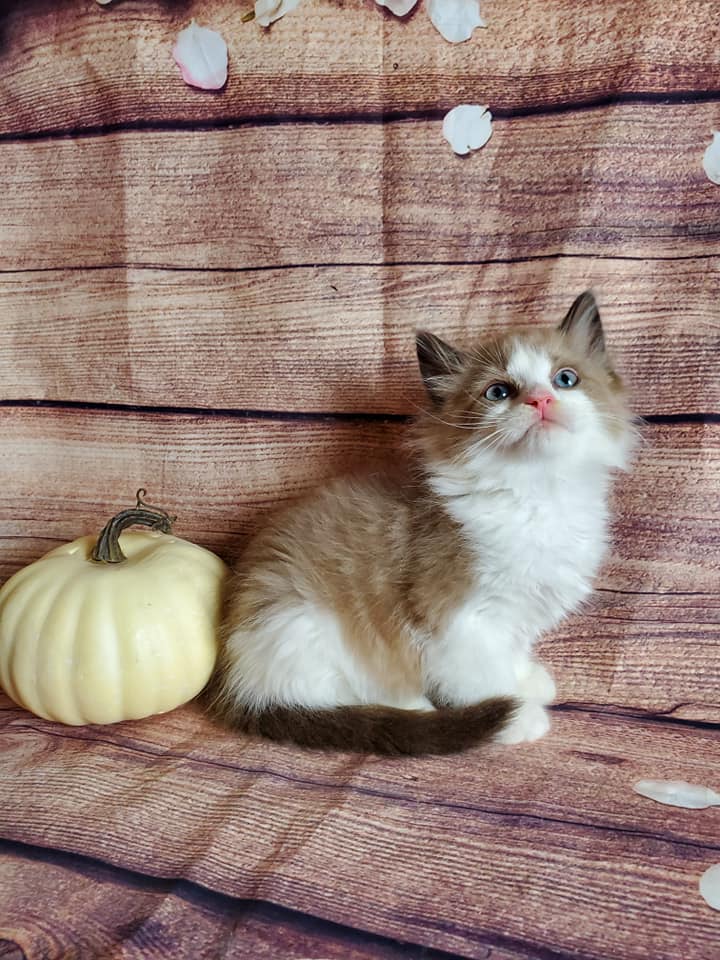
Ragdoll Kitten Vaccinations: A Practical Australian Schedule
Vaccination is one of the earliest health decisions for a Ragdoll kitten. The right schedule protects against common, highly contagious feline diseases while giving the immune system time to develop properly.
For families in Australia, the plan should be set with a local veterinarian. Climate, travel, boarding, contact with other cats and the kitten’s health history can all affect which non-core vaccines are appropriate.
A kitten raised indoors still has some exposure risk. Viruses can enter on shoes, clothing, carriers or visiting pets, and an unvaccinated kitten may encounter infection during a veterinary visit or a move to a new home.
The breeder’s records are an important starting point. They should show the vaccine product, date, batch details where available, parasite treatments and the kitten’s microchip information.
| Vaccine or protection | Usual Australian approach | Main purpose |
|---|---|---|
| F3 core vaccine | Commonly given at 6–8, 10–12 and 14–16 weeks | Protects against herpesvirus, calicivirus and panleukopenia |
| Adult booster | Usually around 12 months after the kitten series, then based on risk and veterinary advice | Maintains protection |
| Feline leukaemia virus | Considered for kittens with outdoor or multi-cat exposure | Reduces risk from FeLV |
| Rabies | Not part of routine vaccination for cats living in Australia | Mainly relevant to international travel and import rules |
| Chlamydia or other non-core vaccines | Used selectively | Considered where a specific household or cattery risk exists |
The Core F3 Vaccination Series
The standard feline core vaccine in Australia is often called F3. It covers feline herpesvirus type 1, feline calicivirus and feline panleukopenia virus. These infections can cause respiratory illness, mouth ulcers, vomiting, diarrhoea and, in the case of panleukopenia, severe and sometimes fatal disease.
Many Australian veterinarians begin the series at about six to eight weeks of age, repeat it every three to four weeks, and give the final kitten dose at 14–16 weeks. Some kittens require an additional dose at 16–20 weeks if maternal antibodies may interfere with earlier protection.
A Ragdoll kitten should not be considered fully protected immediately after its first injection. Until the primary course is complete and the veterinarian confirms the waiting period, avoid shared outdoor areas, unknown cats and boarding facilities.
Why Timing Matters For Kittens
Newborn kittens receive temporary antibodies through their mother’s milk. These maternal antibodies are helpful early in life, but they can also reduce the effect of a vaccine given too soon. Repeated doses help cover the period when maternal protection is fading.
The kitten’s health at the time of vaccination matters as well. A vet may delay an injection if the kitten has a fever, significant diarrhoea, respiratory symptoms or another medical concern. Routine vaccination is designed for healthy animals, so a pre-vaccination examination is essential.
A booster is commonly recommended around 12 months after the kitten course. Further boosters are not automatically identical for every cat; the interval may depend on the vaccine, age, lifestyle and current Australian veterinary guidelines.
Extra Protection Based On Lifestyle
Feline leukaemia virus, or FeLV, spreads mainly through close contact with infected cats. It is more relevant to cats that roam, live with cats of unknown status or regularly enter multi-cat environments. A strictly indoor Ragdoll may have a lower risk, but the decision should still be discussed with the vet.
Chlamydia vaccination and other non-core options are generally considered when there is a known risk, such as a recurring infection in a multi-cat household. They are not automatically required for every pet kitten.
Rabies vaccination is different in Australia. Rabies is not established in domestic Australian cats, so it is not part of the routine schedule for a kitten living locally. It becomes relevant when a cat is being prepared for overseas travel, because destination countries may require vaccination, testing, permits and quarantine.
Australian Home And Travel Considerations
An indoor kitten in Melbourne, Brisbane or Perth may have a lower exposure risk than a cat roaming rural properties, but indoor living does not remove the need for core vaccination. Cats can escape through doors, share a home with a visiting animal or need emergency boarding during a family crisis.
Australia’s hot summers also make hydration, parasite prevention and safe transport important. Vaccines do not replace treatment for fleas, intestinal worms or heartworm disease. Ask the vet for a parasite plan suited to the local area, since risks can differ between coastal Queensland, the wetter parts of New South Wales and drier inland regions.
Microchipping and registration rules vary by state and territory. For example, cats may need microchipping and registration under local council or state requirements in New South Wales, Victoria and other jurisdictions, with deadlines and exemptions differing between locations. Check the rules applying to your council rather than relying on a breeder’s schedule alone.
When travelling by car between cities such as Canberra and Sydney, keep the kitten in a secure carrier and carry the vaccination certificate. Airlines, boarding businesses and accommodation providers may request current records even when a cat is normally kept indoors.
Records, Health Checks And Safe Socialisation
A vaccination record should list the kitten’s identity, vaccination dates, product names and the veterinary practice. Keep a digital photograph as well as the original paperwork. This is useful if the kitten changes clinics or needs urgent care while travelling.
Vaccination is one part of responsible Ragdoll care. A reputable cattery may also discuss screening for hypertrophic cardiomyopathy, commonly called HCM, along with FIV, FeLV and other health considerations. These tests do not replace vaccines, and a negative health screen does not guarantee that a kitten will never become ill.
Daily handling in a family environment can support confident development, but socialisation should be controlled while the primary vaccine course is underway. Safe contact with healthy, vaccinated household pets may be appropriate after veterinary advice; public cat areas and unknown animals are best avoided during this period.
Families considering a kitten can review health and adoption details before making arrangements, then contact the cattery to clarify which vaccines have already been given and what remains due.
Preparing For The Veterinary Appointment
The first appointment should cover more than the injection. The veterinarian can check the kitten’s heart, lungs, mouth, eyes, ears, weight and general development, while also discussing desexing, nutrition, parasite control and microchip registration.
Bring the breeder’s paperwork and note any coughing, sneezing, loose stools, reduced appetite or unusual tiredness. Mild sleepiness or tenderness can occur after vaccination, but facial swelling, breathing difficulty, repeated vomiting or collapse requires urgent veterinary attention.
Useful questions to discuss include:
- Which F3 vaccine brand and dose has the kitten received?
- What date is the next dose due?
- Does the kitten need FeLV protection based on its expected lifestyle?
- When can it safely meet unfamiliar cats or attend boarding?
- Which parasite products are suitable for its age and Australian location?
A Ragdoll kitten’s vaccination plan should be individual, documented and reviewed as its lifestyle changes. The key point to remember is that the complete kitten series, timely veterinary checks and sensible exposure precautions work together to provide reliable protection.