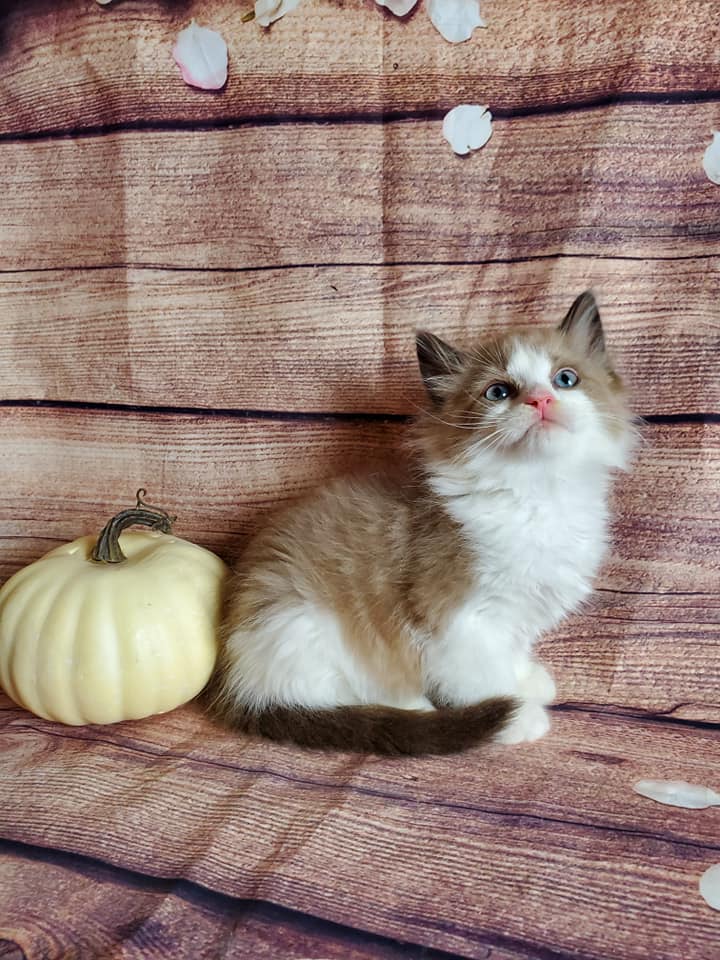
Your Ragdoll kitten's first vet visit: what to expect
Bringing home a Ragdoll kitten from a registered cattery marks the start of a long companionship, and the earliest weeks shape how healthy and confident the cat will grow into adulthood. New owners in Australia often juggle excitement with a long list of questions, especially around the very first appointment with a local veterinarian.
The right preparation makes the visit smoother for the kitten, the vet, and the caregiver. Knowing which screenings matter for the breed, what documents to bring from the breeder, and what questions to ask will save time and reduce stress in the consulting room.
Recommended vaccinations and screenings at a glance
Before diving into details, a quick comparison helps frame the core protections every young Ragdoll should receive.
| Health Protection | Typical Age to Start | Purpose |
|---|---|---|
| F3 (core) vaccination | 6–8 weeks | Protects against feline panleukopenia, herpesvirus, calicivirus |
| F3 booster | 12 weeks | Strengthens immunity from the first dose |
| F3 final booster | 16 weeks | Completes the kitten series, often combined with first FeLV shot |
| FIV test | 8–10 weeks | Detects feline immunodeficiency virus exposure |
| FeLV test | 8–10 weeks | Screens for feline leukaemia virus |
| Heartworm test | 12+ weeks | Confirms absence of heartworm before prevention begins |
| HCM cardiac scan | 6–12 months | Detects early signs of hypertrophic cardiomyopathy |
These schedules align with guidelines from the Australian Veterinary Association, though local clinics may adjust timing based on regional risk.
Picking a vet familiar with pedigree cats
General practice clinics can handle routine kitten care, but pedigree breeds like Ragdolls benefit from a vet who understands breed-specific predispositions. Hypertrophic cardiomyopathy is overrepresented in the breed, so a clinic with access to ultrasound equipment or a nearby referral cardiology service is valuable.
In larger Australian cities such as Sydney, Melbourne, Brisbane, and Perth, there are feline-only practices that focus exclusively on cats. These tend to have quieter waiting rooms, which suits a shy Ragdoll transitioning from a small cattery to a new home. Rural owners in areas like regional Victoria or Tasmania may rely on a mixed-practice clinic; in those cases, asking whether the practice has treated pedigree cats recently is a fair question.
What to bring from the breeder
A TICA-registered cattery should send home a packet that simplifies the first consultation. Typical items include a vaccination record, microchip number, desexing contract, and recent health screening results for the parents — particularly HCM scans from a veterinary cardiologist.
If the kitten has already started heartworm prevention, recording the product name and dose is essential. Photographs and notes about the kitten's first weeks are useful keepsakes too, and many owners find that organising photos by event makes building a memory album far easier in later years.
Questions worth asking the vet
A first appointment is the moment to build a relationship, and going in with a short list of questions prevents forgetting the important ones. Useful prompts include:
- When should the kitten's final F3 booster and FeLV vaccination be scheduled?
- Which flea and tick products are safe for a young Ragdoll living indoors?
- Is heartworm prevention necessary even for a fully indoor cat?
- What diet does the vet recommend for a slow-developing breed like the Ragdoll?
- At what age should a baseline HCM echocardiogram be arranged?
Writing these down beforehand keeps the conversation focused during a sometimes-brief consultation.
Local health realities across Australia
Australia has unique considerations that shape a kitten's first health plan. Tick paralysis from Ixodes holocyclus is a serious concern along the eastern seaboard from far north Queensland down through New South Wales and into coastal Victoria, so a vet may recommend a preventative even for an indoor-only kitten.
Heartworm, transmitted by mosquitoes, is present in warmer regions around Darwin, Cairns, and along the Murray River corridor. Outdoor access is uncommon for breeding Ragdolls because of the breed's trusting nature, but mosquito netting on windows and screened porches are common precautions in the tropics.
Snake awareness is sometimes raised during consultations in rural Queensland and the Top End, even though indoor cats rarely encounter snakes. Vets may also discuss the importance of registering the kitten with the local council, as pet registration rules differ between councils in Adelaide, Hobart, and inner Sydney.
Settling the kitten before and after the visit
The journey to the clinic can be more stressful than the exam itself. Carriers should be lined with a familiar blanket, and a small towel draped over the top can reduce visual stimulation during the car ride. Keeping the car cool and quiet matters in Australian summers, where cabin temperatures climb quickly.
After the visit, monitoring the kitten for lethargy, reduced appetite, or mild swelling at the injection site is reasonable. Most side effects pass within a day, but any persistent symptoms warrant a follow-up call to the clinic.
Building a long-term health plan
The first vet visit establishes a baseline rather than a final answer. Routine boosters, annual check-ups, and repeat HCM scans every one to two years form the backbone of ongoing care. Many Australian owners also choose pet insurance to cover unexpected illness — comparing policies from local providers early, before any pre-existing conditions are recorded, simplifies the underwriting process.
Above all, the first appointment is a partnership. A knowledgeable breeder, an attentive vet, and an observant owner give a Ragdoll the strongest possible start in a new home.